South Africa Restricts US Hate Film: R500k Fine
South Africa Bans Distribution of US Hate Film, With Offenders Facing R500,000 Fine or Five Years in Jail
JOHANNESBURG, 29 October 2026 — South Africa’s Film and Publication Board (FPB) has refused classification to a controversial American film accused of promoting antisemitism, Holocaust denial and hatred against Jewish people.
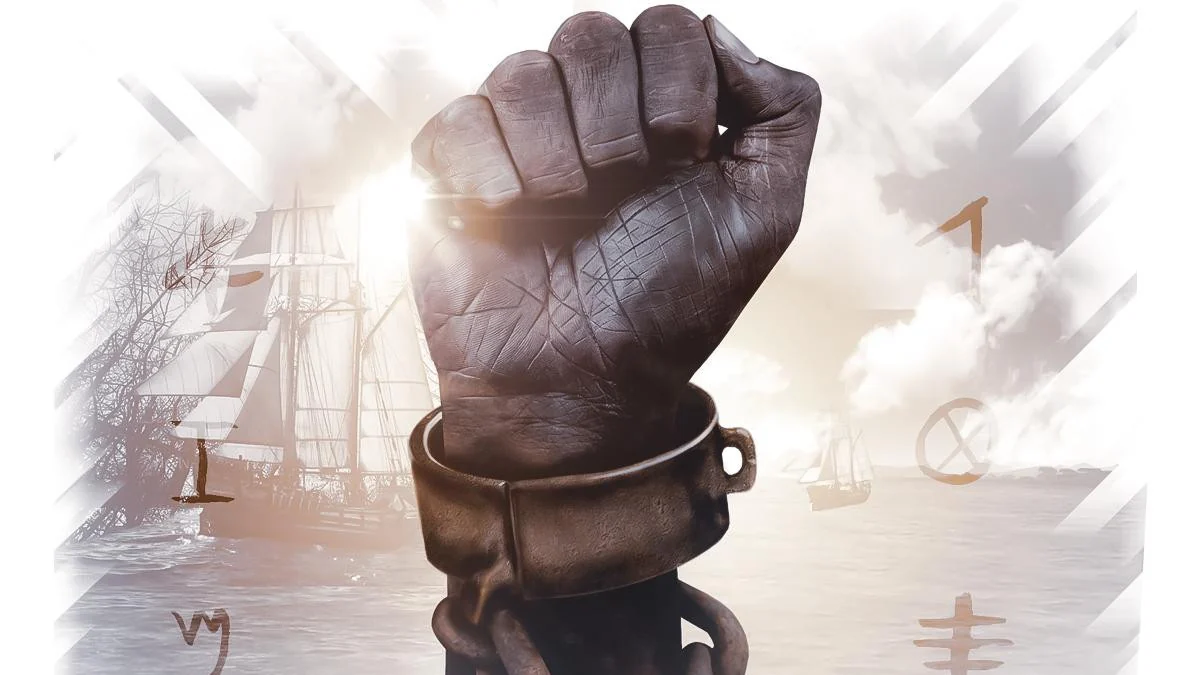
The film, Hebrews to Negroes: Wake Up Black America, was written, directed and produced by American filmmaker Ronald Dalton Jr.
The regulator concluded that the production contained material advocating hatred based on identifiable group characteristics and constituting incitement to cause harm.
As a result, the film cannot lawfully be distributed, broadcast, publicly exhibited or offered for sale or hire in South Africa.
People convicted of knowingly engaging in prohibited distribution could face a fine of up to R500,000, imprisonment for up to five years, or both.
The decision has renewed debate about freedom of expression, hate speech and the responsibility of authorities to protect communities from discriminatory material.
Why the Film and Publication Board Refused Classification
The FPB identified five major concerns with the film’s content.
These included Holocaust denial, the dehumanisation of Jewish people, the promotion of antisemitic conspiracy theories, the use of racial slurs and material considered to incite hatred.
According to the regulator, the film presents false historical claims as factual information.
Among its most serious concerns was the film’s denial of the Holocaust, the systematic murder of six million European Jews by Nazi Germany and its collaborators.
The board found that denying this historical atrocity trivialised the suffering of victims and contributed to antisemitic hatred.
It also objected to language comparing Jewish people to parasites, noting the historical association of such dehumanising descriptions with persecution and violence.
The FPB concluded that the production failed to meet the standards of an objective documentary.
What Is Hebrews to Negroes: Wake Up Black America?
The film was released in 2018 and is based on a series of books by Ronald Dalton Jr.
It promotes claims about the ancestry and religious identity of Black Americans, presenting the argument that certain Black communities are descendants of the biblical Israelites.
The production also advances false claims about Jewish identity and conspiracy theories alleging that Jewish people control powerful institutions.
These allegations are not supported by credible historical evidence.
Although the film initially received limited public attention, it became internationally controversial in 2022 after American basketball player Kyrie Irving shared a link to it on social media.
The resulting controversy brought renewed attention to the film’s antisemitic content.
How the South African Complaint Began
The South African Jewish Board of Deputies (SAJBD) played a central role in bringing the film to the attention of the country’s content regulator.
According to Business Day, the organisation became aware of the production in June 2023 after it was screened at the Soweto Theatre.
The SAJBD subsequently lodged a formal complaint, arguing that the film promoted racist stereotypes and antisemitic narratives amounting to unlawful hate speech.
The complaint triggered a regulatory process examining whether the film could legally be classified for distribution in South Africa.
The FPB eventually refused classification.
Although the decision was reportedly communicated in December 2025, its subsequent publication in the Government Gazette brought renewed public attention to the ruling in October 2026.
This means the matter did not begin with a new complaint this week.
R500,000 Fine and Possible Prison Sentence
The FPB has warned that prohibited distribution of the film carries serious legal consequences.
Under Section 24A(2) of the Films and Publications Act, a person convicted of knowingly distributing or publicly exhibiting material that has been refused classification may face substantial penalties.
<escape>The maximum penalties include:</escape>
- A fine of up to R500,000.
- Imprisonment for up to five years.
- Both a fine and imprisonment.
The legislation covers specified activities involving prohibited films, including distribution and public exhibition.
Importantly, the R500,000 penalty should not be interpreted as an automatic punishment for anyone who simply has a private copy.
The exact legal consequences depend on the conduct involved, the applicable statutory provisions and whether an offence is proved in court.
Does the Decision Mean Possession Is Illegal?
Some reports have described the FPB’s decision as a ban on both possession and distribution.
However, the legal position requires a more careful distinction.
A refusal of classification prevents the film from being lawfully distributed through ordinary channels in South Africa.
The specific R500,000 penalty provision cited by the FPB addresses prohibited distribution and related conduct.
It does not, on its own, establish that every instance of private possession is a criminal offence carrying that penalty.
Anyone facing an actual legal question about possession, distribution or exhibition would need to consider the relevant provisions of the Films and Publications Act and the circumstances of the case.
Jewish Community Welcomes the Decision
The SAJBD has welcomed the regulator’s refusal to classify the film.
The organisation argues that the production spreads damaging falsehoods about Jewish people and reinforces stereotypes historically associated with discrimination and persecution.
It maintains that freedom of expression should not be used to justify incitement to hatred against an identifiable community.
In commentary published this week, the organisation also clarified that the decision is technically a refusal of classification, rather than a blanket prohibition on every conceivable form of possession.
The SAJBD said the regulatory outcome reflected the importance of protecting dignity and equality under South African law.
Freedom of Expression Versus Hate Speech
The decision raises broader questions about the limits of freedom of expression.
Section 16 of South Africa’s Constitution protects freedom of expression, including freedom of the press, artistic creativity and the right to receive or impart information.
However, that protection does not extend to certain forms of expression, including advocacy of hatred based on race, ethnicity, gender or religion that constitutes incitement to cause harm.
South Africa also has legislation addressing hate crimes and hate speech.
The legal framework seeks to distinguish protected debate, religious expression, historical inquiry and artistic work from material that crosses the threshold into unlawful incitement.
This distinction is especially important when dealing with controversial historical or religious claims.
Disagreement with a viewpoint does not automatically make it unlawful.
In this case, the FPB found that the film crossed the applicable legal threshold because of its content and the way it presented hateful claims.
What Happens to the Film Online?
The classification decision has implications for distributors and platforms making the film available to South African audiences.
Material refused classification cannot be lawfully distributed through ordinary commercial or public exhibition channels.
The SAJBD has said the ruling requires the distributor to remove the film from platforms accessible in South Africa.
However, enforcement can become more complicated when material is hosted outside the country or shared through online services.
The extent of any platform-specific restrictions or enforcement action has not been independently established in the reporting reviewed.
The FPB’s decision does not mean that every online copy has already been removed.
Why the Ruling Matters
The decision highlights the role of South Africa’s content regulator in assessing material that may promote hatred or incite harm.
It also demonstrates that content originating overseas can face restrictions when distributed within South Africa.
The controversy is not simply about whether a film contains offensive ideas.
The FPB’s finding concerns material it concluded amounted to advocacy of hatred and incitement to harm.
The case may also attract attention from filmmakers, online distributors, civil rights organisations and legal experts examining the boundary between constitutionally protected expression and prohibited hate speech.
What Happens Next?
The FPB’s refusal of classification remains the central regulatory development.
Any future enforcement action would depend on evidence of prohibited conduct and the applicable legal process.
The film’s distributors or other affected parties may also consider whatever review or appeal mechanisms are legally available.
For the public, the most important distinction is between the classification decision itself and the penalties that may apply to specific unlawful activities.
South Africa has prohibited the film’s lawful distribution and public exhibition, with offenders facing up to R500,000 in fines or five years’ imprisonment upon conviction.
The ruling underscores the country’s legal limits on material found to advocate hatred and incite harm.