Cachalia Wants Mkhwanazi Appointed as Hawks Head
Acting Police Minister Wants General Mkhwanazi Appointed as National Hawks Head
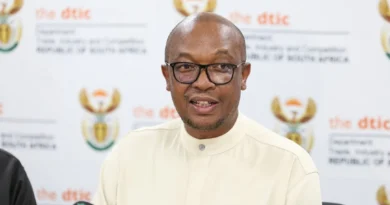
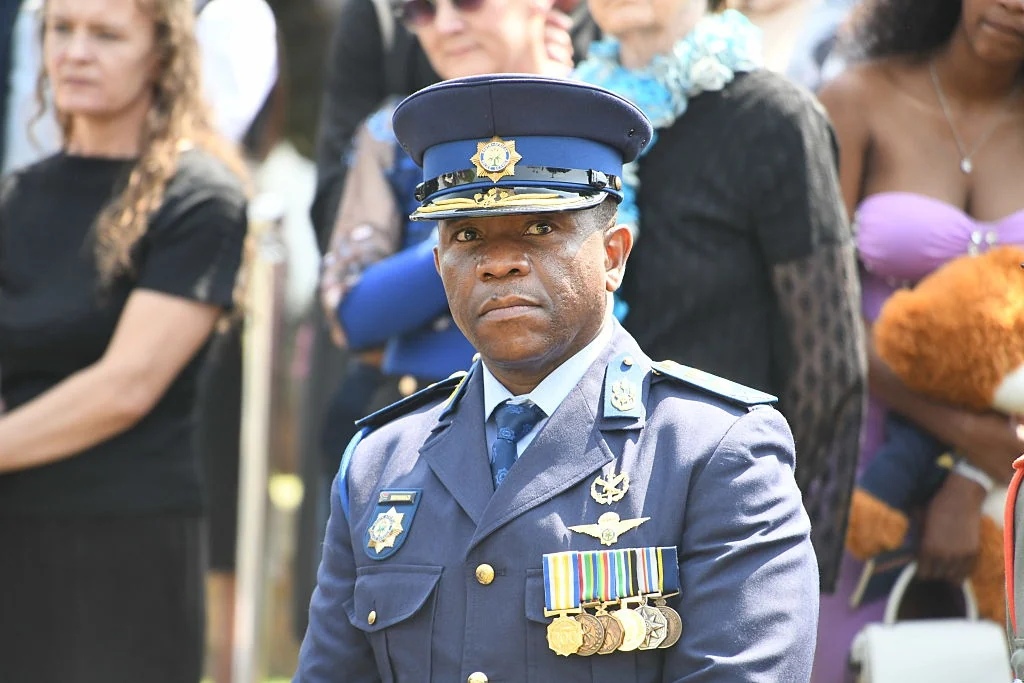
PRETORIA, 29 October 2026 — Acting Police Minister Professor Firoz Cachalia has taken a significant step towards appointing KwaZulu-Natal police commissioner Lieutenant-General Nhlanhla Mkhwanazi as the new national head of the Directorate for Priority Crime Investigation, commonly known as the Hawks.
The Police Ministry confirmed on Thursday that Cachalia had submitted a formal memorandum to Cabinet seeking its concurrence with the proposed appointment.
The development places Mkhwanazi, who became a prominent figure in South Africa’s police corruption investigations following his explosive allegations in July 2025, in line for one of the country’s most senior law enforcement positions.
However, the appointment is not yet final.
Cabinet must first consider the minister’s recommendation before Mkhwanazi can formally assume leadership of the Hawks.
Cachalia Submits Cabinet Memorandum
According to the Police Ministry, Cachalia has initiated the statutory process required to appoint the national head of the DPCI.
The proposed appointment is governed by Section 17CA(1)–(3) of the South African Police Service Act 68 of 1995.
Under the legislation, the Minister of Police appoints the national Hawks head with the concurrence of Cabinet.
The appointment must also be reported to Parliament.
Police Ministry spokesperson Kamogelo Mogotsi confirmed that the memorandum would be presented to Cabinet at the earliest available opportunity.
The announcement signals Cachalia’s intention to place Mkhwanazi at the centre of government’s efforts to strengthen investigations into organised crime and serious corruption.
No date has yet been confirmed for Cabinet to consider the memorandum.
Why Government Wants Mkhwanazi to Lead the Hawks
The Hawks are responsible for investigating serious priority crimes, including organised crime, serious commercial offences and corruption.
Their work frequently involves complex investigations into criminal networks, financial wrongdoing and alleged misconduct involving public officials.
The Police Ministry said effective leadership of the DPCI was essential to strengthening its strategic direction and operational capabilities.
Cachalia has identified organised crime and corruption as major challenges confronting South Africa’s law enforcement institutions.
His proposal to appoint Mkhwanazi forms part of a broader programme aimed at improving policing and restoring public confidence.
The initiative is linked to the minister’s Police Reset Agenda, which focuses on rebuilding institutional capacity, addressing corruption and improving accountability.
Who Is Lieutenant-General Nhlanhla Mkhwanazi?
Mkhwanazi currently serves as the provincial police commissioner of KwaZulu-Natal.
He has held senior positions within the South African Police Service and became a nationally prominent figure after publicly raising allegations of corruption and political interference within law enforcement.
On 6 July 2025, Mkhwanazi held a media briefing in which he alleged that criminal networks had infiltrated sections of the police and other parts of the criminal justice system.
His allegations included claims of interference in investigations and concerns surrounding the disbandment of the Political Killings Task Team.
The allegations prompted widespread public scrutiny and eventually led to the establishment of the Madlanga Commission of Inquiry and a parliamentary investigation.
Mkhwanazi’s statements brought renewed attention to questions about the independence of police investigations and the influence of politically connected individuals.
The allegations remain subject to the findings and processes of the relevant investigative bodies.
Mkhwanazi’s Role in the Madlanga Commission
The Madlanga Commission was established following Mkhwanazi’s allegations concerning corruption, criminal infiltration and political interference in the criminal justice system.
The inquiry has heard evidence involving senior police officers, government officials and individuals alleged to have connections to criminal networks.
Mkhwanazi also appeared before Parliament’s Ad Hoc Committee investigating his allegations.
His testimony formed part of a wider examination of the relationships between police leadership, political office-bearers and individuals implicated in criminal investigations.
The commission’s proceedings have generated considerable public attention and renewed debate about accountability within the South African Police Service.
The proposed Hawks appointment is a separate administrative process and does not constitute a finding on the allegations examined by the commission.
Hawks Leadership Position Vacant Since Lebeya’s Retirement
The proposal follows the retirement of former national Hawks head Lieutenant-General Godfrey Lebeya in May 2025.
Since his departure, the organisation has operated under acting leadership.
Appointing a permanent national head would provide the DPCI with a formally appointed leader responsible for its strategic direction and operational oversight.
The position is particularly important because the Hawks investigate cases that may involve powerful criminal organisations, complex financial transactions and allegations against public officials.
A permanent appointment could also provide continuity for longer-term investigations and organisational reforms.
However, the effectiveness of the directorate will depend on more than the appointment of an individual.
Investigative resources, experienced personnel, cooperation with prosecutors and protection from improper interference will remain essential.
Cachalia’s Police Reset Agenda
Cachalia has recently outlined a programme of reforms intended to address weaknesses in the police service.
Speaking to Daily Maverick on 28 October, he identified organised crime as one of the country’s most serious security threats.
The minister warned that criminal networks were extending their activities into economic sectors and public institutions.
He also highlighted the need to strengthen Crime Intelligence, improve police leadership appointments and address procurement irregularities.
The reform programme includes efforts to reduce political interference in police management and improve the operational effectiveness of law enforcement agencies.
The proposed appointment of Mkhwanazi would place the Hawks under a commissioner who has publicly raised concerns about interference in police investigations.
Nevertheless, the appointment would still need to be assessed through the statutory process.
What Powers Would Mkhwanazi Have as Hawks Head?
If Cabinet approves the appointment, Mkhwanazi would become the national head of the DPCI.
The role involves leading the directorate’s national operations and overseeing its investigations into serious priority offences.
The Hawks operate within the South African Police Service but have a specialised mandate.
Their responsibilities include investigating serious organised crime, serious commercial crime and serious corruption.
As national head, Mkhwanazi would be responsible for providing leadership to the directorate and ensuring that its investigations are conducted within the law.
He would also be expected to work with other criminal justice institutions, including prosecuting authorities.
The position would represent a move from provincial police leadership to a national specialised investigative role.
What Happens to the KZN Police Commissioner Position?
Mkhwanazi remains KwaZulu-Natal’s police commissioner while the appointment process is pending.
Should Cabinet approve his move to the Hawks, the police service would need to address the leadership arrangements in KwaZulu-Natal.
The Police Ministry has not yet announced a successor or an interim replacement.
Any changes to provincial police leadership would require the appropriate administrative and legal processes.
Until an official announcement is made, Mkhwanazi’s proposed national appointment should not be reported as a completed transfer.
Cabinet Approval Is the Next Step
The immediate next step is for Cabinet to consider Cachalia’s memorandum.
The law requires Cabinet’s concurrence before the minister can finalise the appointment.
The appointment must then be reported to Parliament.
The ministry has not announced when Cabinet will deliberate on the proposal or when a successful candidate would take office.
There has also been no confirmation that Mkhwanazi has formally assumed any duties within the Hawks.
The distinction matters because the minister’s nomination is not the same as a completed appointment.
A Significant Moment for South African Policing
The proposal comes at a time when South Africa’s law enforcement institutions face intense scrutiny over allegations of corruption, organised crime and political interference.
Mkhwanazi’s public allegations in 2025 triggered investigations that continue to shape national debate about police accountability.
His possible appointment as Hawks head would place him in charge of an institution tasked with investigating some of the very categories of crime that have featured prominently in those debates.
For Cachalia, the decision forms part of an effort to strengthen the leadership of specialised policing units.
For the Hawks, the appointment process comes as the directorate faces pressure to demonstrate its ability to investigate complex criminal networks independently and effectively.
The key development is that Cachalia has formally nominated Mkhwanazi for the position, but Cabinet has not yet approved the appointment.
Until that approval is granted and the statutory process is completed, Mkhwanazi remains the proposed candidate rather than the confirmed national Hawks head.