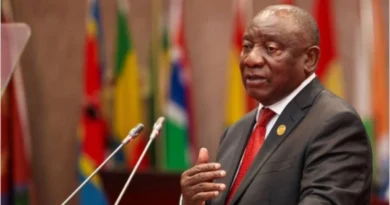
Police Probe Mchunu and Sibiya Replacement Phone Concerns
‘Replacement Devices’: Police Suspect Mchunu and Sibiya Handed Over Wrong Phones
Questions are mounting over mobile phones surrendered to police investigators by Senzo Mchunu and former Deputy National Police Commissioner Lieutenant-General Shadrack Sibiya.
Investigators are reportedly examining whether the devices handed over were the original phones used during periods relevant to ongoing investigations or replacement handsets that may not contain the information being sought.
The issue has emerged amid investigations into allegations of corruption, political interference and obstruction of justice within South Africa’s criminal justice system.
Although the possibility of substituted devices has raised concerns, it has not been established that either Mchunu or Sibiya deliberately handed over the wrong phones.
Why Investigators Are Interested in the Phones
Mobile phones can contain important evidence in criminal investigations.
Call records, WhatsApp conversations, photographs, location information and electronic documents may help investigators establish whether individuals communicated about matters under investigation.
In cases involving allegations of interference in police operations, investigators may seek to establish when particular communications took place, who participated and whether the exchanges relate to official decisions.
The investigation involving Mchunu and Sibiya is connected to allegations that emerged following KwaZulu-Natal Police Commissioner Lieutenant-General Nhlanhla Mkhwanazi’s public statements in July 2025.
Mkhwanazi alleged that powerful individuals had interfered with police investigations and that organised criminal networks had established relationships with people inside the criminal justice system.
Those allegations prompted the establishment of the Madlanga Commission of Inquiry and a parliamentary investigation.
Police Previously Seized Mchunu’s Devices
Mchunu has already been subjected to police search-and-seizure operations involving electronic devices.
In November 2025, his spokesperson confirmed that he had surrendered electronic devices to investigators.
A further search was conducted at his KwaZulu-Natal residence in September 2026.
Police executed a warrant issued by the Johannesburg High Court, targeting particular devices identified through mobile telephone numbers and International Mobile Equipment Identity numbers, commonly known as IMEI numbers.
These identifiers can help investigators distinguish one physical handset from another.
The September warrant was significant because it did not simply authorise officers to collect any mobile phone belonging to Mchunu.
Instead, it identified devices believed to be relevant to the investigation.
Mchunu’s spokesperson, Sthembiso Mshengu, confirmed that the minister had complied with the court order and handed over a handset in the presence of his attorney.
Mshengu also said police had previously seized other devices that had not been returned.
What Are Replacement Devices?
A replacement device is a handset obtained after another phone has been lost, damaged, upgraded or otherwise taken out of use.
A person may continue using the same telephone number on a new device.
However, the physical handset will generally have a different IMEI number.
This distinction can be important in forensic investigations.
For example, an investigator may be seeking a specific phone used during a particular period.
A replacement handset may not contain the same locally stored messages, photographs, application data or other information.
Some information may still be available through backups, service providers or other devices, depending on the circumstances.
Therefore, establishing whether a phone has been replaced does not automatically prove that evidence has been destroyed.
Investigators would need to examine device identifiers, usage histories and other available records.
Shadrack Sibiya’s Phones Also Under Scrutiny
Sibiya’s electronic devices have featured in separate legal proceedings.
During his bail application in October 2026, prosecutors alleged that his mobile phones had been wiped before his arrest.
According to Daily Maverick, the prosecution told the Randburg Magistrate’s Court that the state possessed evidence suggesting the phones had been cleared.
The allegation was made during proceedings concerning criminal charges separate from the Madlanga Commission’s investigation.
It is important not to treat that allegation as a judicial finding that Sibiya deliberately destroyed evidence.
The state would still need to establish what happened to the devices and whether any conduct amounted to a criminal offence.
Why IMEI Numbers Matter
Every mobile phone has identifying information that can assist investigators in determining which physical device was used.
The IMEI is particularly important because it identifies the handset rather than simply the SIM card or mobile number.
A person can transfer a SIM card from one phone to another while retaining the same number.
This means that knowing someone’s telephone number does not necessarily identify the phone used at a particular time.
Investigators can compare device identifiers with records obtained through lawful investigative processes.
Such comparisons may help determine whether a seized handset matches the device described in a search warrant.
They may also reveal whether several handsets were associated with the same mobile number during different periods.
However, an IMEI mismatch alone would not establish criminal intent.
There may be legitimate explanations for a device change.
Connection to the Political Killings Task Team
The wider investigation has focused partly on the disbandment of the KwaZulu-Natal Political Killings Task Team.
Mkhwanazi alleged that the decision to dissolve the specialised unit interfered with investigations into politically connected killings and organised crime.
Mchunu previously defended the decision, arguing that the task team’s work had reached a stage where its continued existence was no longer justified.
The dispute became one of the central issues examined by the Madlanga Commission.
Sibiya has also faced questions about the handling of investigative dockets and instructions connected to the task team.
The commission’s second interim report recommended further criminal investigations and disciplinary proceedings involving Sibiya and several other individuals.
Those recommendations are based on evidence requiring further examination and do not amount to criminal convictions.
The Importance of Digital Evidence
Digital communications can provide investigators with valuable information, but electronic evidence must be collected and examined lawfully.
Forensic specialists may investigate whether messages were deleted, whether information was transferred between devices and whether a handset was active during a relevant period.
They may also seek records from other sources where legally authorised.
However, deleted information cannot always be recovered.
The success of forensic recovery depends on factors including the device, operating system, encryption, backups and the nature of the deletion.
Investigators must also maintain an appropriate chain of custody to protect the integrity of evidence.
These safeguards are important because electronic evidence may later be challenged in court.
Have Mchunu or Sibiya Been Found Guilty?
No finding of criminal guilt can be inferred from the reported concerns about replacement phones.
Mchunu has maintained that he complied with the search warrant issued to police.
Sibiya has denied corruption allegations connected to the wider investigation.
The allegations concerning his electronic devices have also not been established through a final criminal judgment.
Any suggestion that either official deliberately substituted a phone to obstruct investigators would require evidence establishing both the relevant conduct and the necessary criminal intent.
What Happens Next?
Investigators may need to compare the surrendered handsets with the device identifiers and usage periods specified in search warrants.
They may also examine whether the phones contain information relevant to the alleged offences.
The Madlanga Commission’s findings and referrals could lead to additional investigative steps, depending on the available evidence.
For now, the key question is whether investigators have obtained the particular devices they were seeking.
If replacement phones were handed over, investigators would still need to establish when and why the replacements occurred.
Conclusion
The reported concerns about replacement devices have added another dimension to investigations involving Senzo Mchunu and Shadrack Sibiya.
Police have previously seized phones from Mchunu, while prosecutors have separately raised allegations about the condition of Sibiya’s devices.
The use of device-specific identifiers in search warrants demonstrates the importance of establishing exactly which handsets were used during periods relevant to an investigation.
However, suspicion alone does not prove that either man deliberately concealed evidence.
The matter will ultimately depend on forensic findings, documentary records and any evidence presented through the appropriate legal processes.