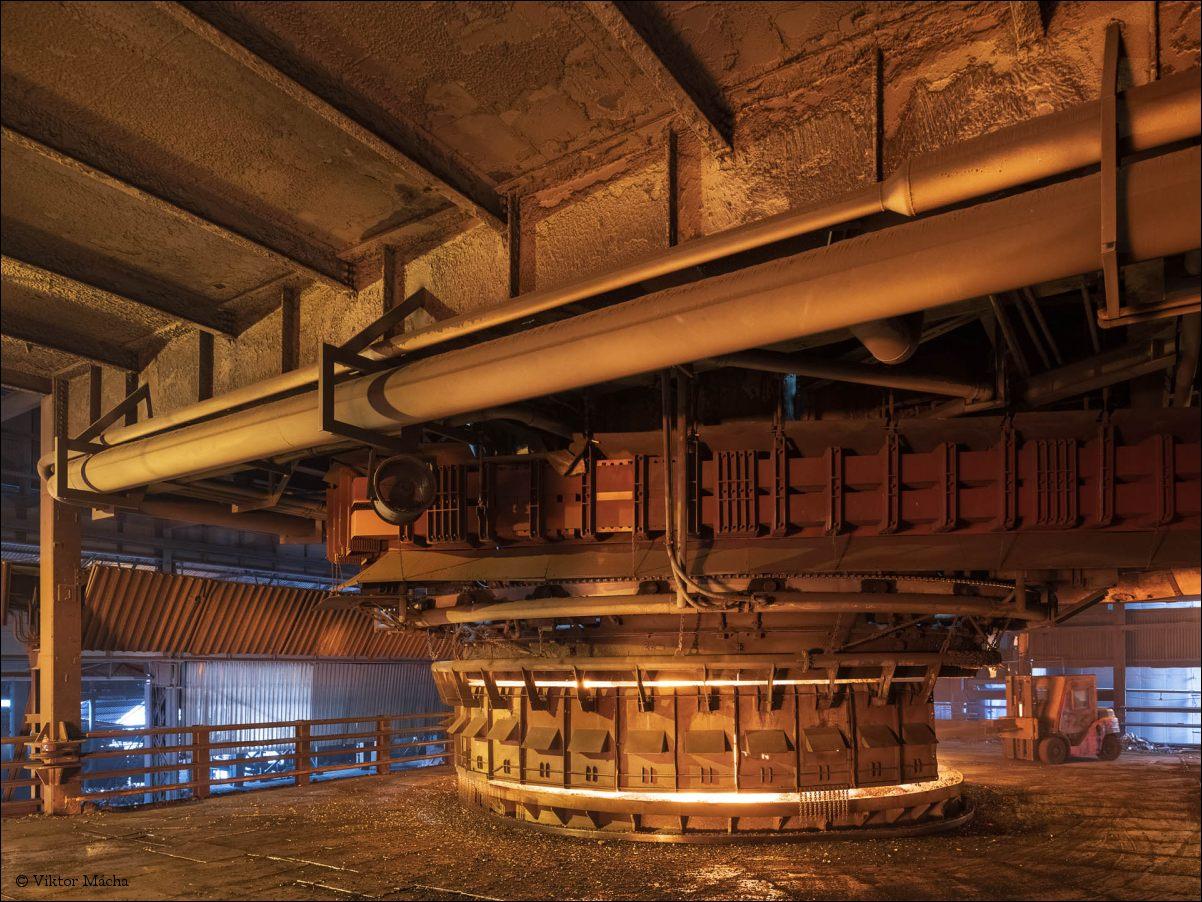
100-Year-Old eMalahleni Smelter Shuts Down
End of an Era as 100-Year-Old Smelter Shuts Down in eMalahleni, Putting 200 Jobs at Risk
A century of industrial production is coming to a halt in eMalahleni, Mpumalanga, as global ferroalloys producer Ferroglobe prepares to temporarily close its smelting furnaces by the end of November 2026.
The decision places approximately 200 jobs under immediate pressure and raises fresh concerns about the future of South Africa’s energy-intensive manufacturing industry.
Ferroglobe’s eMalahleni plant, formerly known as Witbank, began operating in 1926 and has been part of the region’s industrial economy for 100 years.
Despite months of negotiations involving the company, Eskom and government, the smelter has been unable to secure the commercial conditions needed to resume sustainable production.
Although discussions resulted in a potentially workable electricity tariff, weak demand from local steel and stainless steel manufacturers has emerged as another major obstacle.
The company has indicated that it will maintain its furnaces while assessing the possibility of restarting operations in the future.
Ferroglobe Announces Temporary Furnace Closure
Trade union Solidarity confirmed on Thursday, 12 November, that Ferroglobe intends to place its eMalahleni smelting furnaces under temporary closure by the end of the month.
The move directly affects approximately 200 workers.
Earlier warnings had indicated that as many as 350 positions could be at risk if the plant became commercially unsustainable.
Solidarity said the latest decision reflects deteriorating conditions in the domestic steel industry and declining demand for the materials produced by Ferroglobe.
The company manufactures ferrosilicon and related products used in industrial processes.
These materials are particularly important in steel and stainless steel manufacturing.
Without sufficient orders from customers, the company faces difficulties justifying the cost of restarting its electricity-intensive furnaces.
A Smelter With 100 Years of History
Ferroglobe’s eMalahleni operation began production in 1926, making it one of the country’s longstanding industrial facilities.
For generations, the plant has contributed to local employment and industrial activity in the coal-producing region of Mpumalanga.
The area has historically been associated with mining, electricity generation and heavy manufacturing.
Smelting operations form part of the industrial value chain by transforming raw materials into products used by manufacturers.
The loss of production capacity therefore has implications beyond the employees working directly at the plant.
Suppliers, maintenance contractors, transport businesses and other companies connected to the operation may also experience reduced demand.
However, the full number of indirect jobs potentially affected by Ferroglobe’s latest decision has not been publicly confirmed.
Why Is Ferroglobe Shutting Down?
The decision is being driven by a combination of electricity costs and weak demand.
Ferroglobe has repeatedly warned that South Africa’s electricity tariffs have increased significantly over the past two decades.
According to the company, electricity prices have risen by more than 900% since 2007.
Power costs now account for more than half of its total production expenses.
This creates a major challenge for smelters because furnaces require substantial electricity to maintain the temperatures needed for industrial processing.
However, the latest closure announcement shows that affordable electricity alone is not enough to sustain the business.
The company also needs sufficient demand from steelmakers to justify production.
With fewer confirmed orders, operating the furnaces could result in additional financial losses.
Eskom Offered a Special Electricity Tariff
Ferroglobe had been negotiating with Eskom and government over electricity pricing.
The discussions reportedly resulted in an electricity tariff that the company considered potentially workable.
However, the proposed arrangement included a take-or-pay condition.
Under this structure, Ferroglobe would commit to paying for a specified amount of electricity regardless of whether it used the full quantity.
Such arrangements can help electricity suppliers plan capacity and revenue.
For a smelter facing uncertain customer demand, however, the commitment can create substantial financial exposure.
If production is suspended because of insufficient orders, the company may still be required to pay for contracted electricity volumes.
Ferroglobe reportedly considered that risk too high under current market conditions.
The decision demonstrates the difficulty of balancing affordable industrial electricity with commercial flexibility.
South Africa’s Steel Industry Is Under Pressure
The challenges facing Ferroglobe are closely connected to the broader difficulties experienced by South African steel manufacturers.
Steel and stainless steel producers are important customers for ferroalloy smelters.
When steel production declines, demand for inputs such as ferrosilicon also falls.
Solidarity has warned that this relationship creates a chain reaction across the manufacturing sector.
A decline in steel orders affects smelters, while reduced domestic smelting capacity can create additional supply challenges for steel producers.
The union has also raised concerns about competition from imported steel products, particularly those originating from China.
It believes that government should consider stronger trade protection measures to support local manufacturers.
However, import tariffs also involve broader economic considerations, including the cost of materials for downstream manufacturers and consumers.
Any policy response would need to balance the interests of producers, industrial customers and the wider economy.
Solidarity Calls for Government Intervention
Solidarity has called for urgent discussions between government, Eskom, employers and trade unions.
The union wants competitive electricity tariffs to be made available not only to smelters but also to local steel and stainless steel manufacturers.
It has additionally urged government to consider measures addressing competition from imported steel products.
Cornelius van Leeuwen, Solidarity’s metal and engineering sector coordinator, warned that the difficulties experienced by smelters and steel manufacturers are closely linked.
The union believes that without coordinated intervention, South Africa risks further industrial closures and job losses.
Solidarity has indicated that it will continue engaging Ferroglobe to protect as many jobs as possible and explore conditions under which production could resume.
Ferroglobe’s Closure Follows Other Smelter Shutdowns
The development is not an isolated incident.
South Africa’s ferroalloys industry has experienced significant pressure from rising electricity costs, operational challenges and international competition.
Earlier in 2026, Transalloys halted production at its manganese alloy smelter, also located in eMalahleni.
The company warned that approximately 600 permanent jobs were at risk, alongside thousands of livelihoods linked to its operations.
Transalloys is particularly important because it has been described as South Africa’s last remaining manganese alloy smelter.
Its difficulties have raised concerns about the country’s ability to process manganese locally rather than exporting raw ore.
Other ferroalloy producers have also reduced operations or negotiated special electricity arrangements.
The pattern has intensified debate over the future of mineral beneficiation and heavy industry in South Africa.
What Is Ferrosilicon and Why Does It Matter?
Ferrosilicon is an alloy containing iron and silicon.
It is widely used in steelmaking and other metallurgical processes.
In steel production, ferrosilicon can help remove oxygen from molten metal and improve the characteristics of the final product.
It is also used in the production of certain specialised alloys.
Silicon metal, another important industrial product, is used in applications involving aluminium, chemicals, electronics and solar technologies.
These materials form part of industrial supply chains supporting manufacturing and infrastructure development.
Domestic production can reduce reliance on imports and support employment in associated industries.
However, local producers must remain competitive on electricity costs, production efficiency and product pricing.
What the Closure Means for eMalahleni
For eMalahleni, the shutdown represents another challenge for a local economy historically dependent on energy and heavy industry.
Approximately 200 workers are directly affected by the temporary closure decision.
The consequences could extend to households and businesses that rely on income generated by the plant.
Industrial facilities support a range of surrounding economic activities, including transport, engineering, equipment maintenance and commercial services.
A prolonged shutdown can therefore affect spending and business confidence in the surrounding community.
However, the extent of these indirect effects will depend on how long production remains suspended and whether Ferroglobe retains some operations.
The company has not announced that the entire facility will be permanently dismantled.
Could the Smelter Reopen?
Ferroglobe has indicated that its furnaces will be maintained while management continues assessing the possibility of resuming production.
The company is also considering retaining certain operations.
A restart would likely depend on several commercial factors, including electricity pricing, customer orders and demand from steel manufacturers.
A sustainable recovery in local steel production could improve demand for Ferroglobe’s products.
More flexible electricity supply arrangements could also reduce the financial risks associated with restarting the furnaces.
However, there is currently no confirmed date for production to resume.
The decision remains a temporary closure, rather than a formally announced permanent shutdown.
Ferroglobe Is Restructuring Its Global Operations
The challenges facing the South African operation come as Ferroglobe reviews its international manufacturing footprint.
In its third-quarter 2026 financial results, released on 3 November, the company reported adjusted earnings before interest, tax, depreciation and amortisation of negative $2.4 million.
Ferroglobe CEO Marco Levi attributed the difficult operating environment partly to higher energy costs and increased competition from imported ferrosilicon in Europe.
The company has announced plans to rationalise its global operations, including the proposed closure of five plants and a reduction in overhead expenses.
Ferroglobe operates facilities across several countries, including South Africa, the United States, Canada, European markets and China.
The company has not publicly identified all the facilities that could be affected by the wider restructuring programme.
The South African decision must therefore be understood alongside both domestic market pressures and the company’s international cost-reduction strategy.
What Does This Mean for South Africa’s Mining and Manufacturing Sectors?
The closure raises broader questions about South Africa’s ability to retain energy-intensive industries.
The country has substantial mineral resources, but turning those resources into higher-value industrial products requires competitive electricity, infrastructure and reliable demand.
When smelters close, the country risks losing processing capacity and specialised industrial skills.
This can weaken the connection between mining and manufacturing.
The Ferroglobe situation also illustrates why electricity tariff relief, although important, may not be sufficient on its own.
Industrial recovery requires functioning supply chains and customers capable of purchasing the products manufactured locally.
Without these conditions, even a reduced electricity tariff may not make production commercially viable.
Conclusion
Ferroglobe’s decision to temporarily close its eMalahleni smelting furnaces marks a difficult moment for a plant that has operated for a century.
Approximately 200 jobs are affected, while the broader community faces uncertainty about the future of another longstanding industrial employer.
Although the company made progress in electricity tariff negotiations, declining demand from local steel and stainless steel manufacturers has made restarting production too risky.
The company intends to maintain the furnaces and continue evaluating the possibility of resuming operations.
For South Africa, the situation highlights the need for a coordinated approach to industrial electricity pricing, domestic manufacturing demand and the preservation of beneficiation capacity.
The furnaces may fall silent by the end of November, but the long-term future of the eMalahleni operation has not yet been determined.