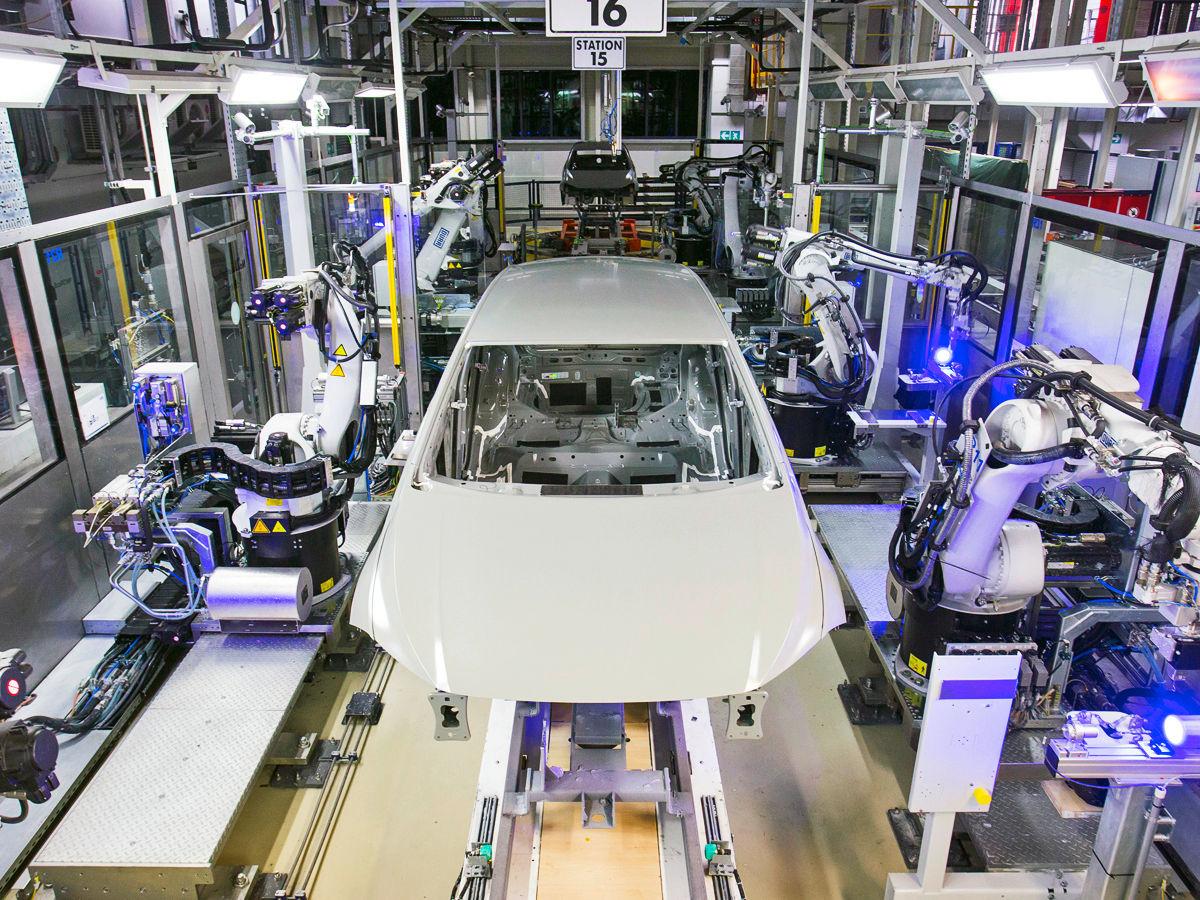
New Volkswagen Tengo Now Being Built in South Africa
New Volkswagen Tengo SUV Now Being Built in South Africa After R4 Billion Investment
South Africa’s automotive manufacturing industry has received a major boost as Volkswagen Group Africa officially begins production of its new Tengo compact SUV at its manufacturing facility in Kariega, Eastern Cape.
The German automaker has confirmed that the first locally manufactured Tengo has already rolled off the production line, marking an important milestone in its R4 billion investment programme.
The new SUV will be manufactured alongside the Volkswagen Polo and Polo Vivo, becoming the third model produced at the company’s South African factory.
The Tengo is expected to reach local dealerships in early March 2027, while Volkswagen also plans to export the vehicle to other African countries.
The announcement reinforces South Africa’s role as an automotive manufacturing hub, particularly as global carmakers compete for customers in the growing compact SUV market.
Volkswagen Begins Production of the New Tengo
Volkswagen Group Africa has officially commenced production of the Tengo, a compact crossover developed for markets including South Africa.
The vehicle was first confirmed for local manufacturing in 2024, when Volkswagen announced plans to expand production at its Kariega facility.
The company subsequently revealed the Tengo name and unveiled the vehicle during its 75th anniversary celebrations in South Africa in August 2026.
The start of production follows extensive factory preparations, engineering work and investment in manufacturing infrastructure.
The Tengo will be produced alongside two of Volkswagen’s established models, the Polo and Polo Vivo.
This makes it an important addition to the manufacturer’s local production portfolio.
R4 Billion Investment in the Eastern Cape
Volkswagen has committed approximately R4 billion to preparing its Kariega manufacturing plant for the new SUV.
The investment includes upgrades to production facilities and manufacturing processes required to accommodate the additional model.
According to Volkswagen, the Tengo will have approximately 42% locally sourced content.
Local content refers to the proportion of vehicle components and manufacturing inputs sourced within South Africa.
This is important for the domestic automotive industry because vehicle assembly supports a wider network of component manufacturers, engineering companies and logistics providers.
The investment also strengthens the long-term position of the Kariega factory within Volkswagen’s international manufacturing network.
However, Volkswagen has not provided a confirmed number of new jobs created specifically by the Tengo production programme in the latest announcement.
What Is the Volkswagen Tengo?
The Tengo is a compact crossover SUV positioned below the Volkswagen T-Cross in the brand’s vehicle range.
It is based on the Volkswagen Tera, which was originally introduced in Brazil.
South Africa will become the first country outside Brazil to manufacture the model.
The locally produced vehicle has been adapted for regional driving conditions, including suspension changes and distinctive exterior styling.
The Tengo combines the dimensions and practicality of a small passenger vehicle with SUV-inspired design features.
Its appearance includes raised ground clearance, pronounced wheel arches and roof rails.
The model is expected to compete in one of South Africa’s most popular vehicle segments.
Volkswagen Tengo Engine Options
Volkswagen plans to introduce the Tengo with petrol engine options.
The expected range includes a 1.6-litre naturally aspirated petrol engine and a 1.0-litre turbocharged petrol engine.
Depending on the model, customers will be able to choose between manual and automatic transmissions.
The 1.6-litre engine is expected to be available with a five-speed manual gearbox or a six-speed automatic transmission.
The turbocharged engine will be paired with an automatic transmission.
Volkswagen has not announced a fully electric version of the locally produced Tengo.
The decision to launch with petrol engines reflects the company’s strategy for the African market, where vehicle affordability and existing fuel infrastructure remain important considerations.
Three Models Expected for South Africa
The Volkswagen Tengo is expected to be available in three specification levels:
- Trend: The entry-level model, aimed at buyers seeking an accessible compact SUV.
- Life: A mid-range version offering additional comfort and convenience features.
- Style: The higher-specification model, expected to include more premium equipment.
Depending on the variant, available features are expected to include a touchscreen infotainment system, smartphone connectivity and wireless charging.
Volkswagen has also highlighted the model’s modern lighting design and practical interior layout.
Final South African specifications will be confirmed closer to the vehicle’s showroom launch.
How Much Will the Volkswagen Tengo Cost?
Volkswagen has not yet announced official South African pricing for the Tengo.
However, the vehicle is expected to be positioned below the T-Cross.
The T-Cross currently occupies a higher price bracket within Volkswagen’s local SUV range.
The Tengo is intended to offer a more accessible entry point into the brand’s crossover portfolio.
Its final price will be important because the compact SUV segment is highly competitive.
Potential buyers will be comparing the Tengo with vehicles such as the Toyota Starlet Cross, Suzuki Fronx, Chery Tiggo Cross and Mahindra XUV 3XO.
The affordability of the Tengo could influence whether Volkswagen can attract customers who might otherwise consider competing brands.
Any specific price figures circulating before an official announcement should be treated as estimates rather than confirmed retail prices.
Volkswagen Targets South Africa’s Growing SUV Market
Compact SUVs have become increasingly popular among South African motorists.
These vehicles appeal to buyers seeking a combination of practicality, fuel efficiency, higher seating positions and everyday usability.
Volkswagen’s introduction of the Tengo gives the company an additional product in this competitive segment.
The vehicle is expected to sit between conventional hatchbacks and larger SUVs in the brand’s local offering.
Volkswagen is also facing stronger competition from Japanese, Indian and Chinese automotive manufacturers.
Brands such as Suzuki, Toyota, Chery and Mahindra have expanded their presence in South Africa through competitively priced vehicles.
The Tengo could help Volkswagen compete for customers looking for an SUV-style vehicle without moving into a substantially higher price category.
South Africa to Export the Tengo Across Africa
The new SUV is not intended exclusively for the South African market.
Volkswagen plans to export the locally manufactured Tengo to other African countries.
This is significant because the Kariega plant already plays an important role in Volkswagen’s international production operations.
The factory manufactures the Polo for export markets and produces the Polo Vivo for local customers.
Adding the Tengo creates an opportunity to expand the facility’s regional export activities.
Automotive exports contribute to South Africa’s manufacturing economy and support industries involved in component production, logistics and transport.
However, Volkswagen has not yet announced final production volumes or a complete list of African export destinations for the Tengo.
A Historic Factory Continues to Grow
Volkswagen’s Kariega factory has been part of South Africa’s automotive industry since 1951.
The facility produced its first locally assembled Volkswagen Beetle on 31 August of that year.
Over the following decades, the plant manufactured several well-known models, including the Golf, Jetta, Citi Golf, Kombi, Polo and Polo Vivo.
The factory has produced more than 4.8 million vehicles during its history.
Its continued investment is important for the Eastern Cape, where automotive manufacturing is a major industrial activity.
The introduction of the Tengo adds another chapter to the facility’s 75-year history.
Why Local Vehicle Manufacturing Matters
Producing vehicles in South Africa provides economic benefits beyond the final assembly process.
Manufacturers depend on suppliers producing components, packaging, electrical systems, seats and other automotive parts.
Factories also require transport services, maintenance contractors, engineering specialists and technical support.
A stable automotive manufacturing sector can help preserve industrial skills and support employment.
The local production of the Tengo may also create opportunities for South African suppliers to participate in Volkswagen’s manufacturing network.
However, the scale of these opportunities will depend on production volumes, supplier contracts and future localisation plans.
Petrol Vehicles Remain Important Despite EV Growth
Volkswagen’s decision to launch the Tengo with petrol engines comes as South Africa’s market for hybrid and electric vehicles continues to expand.
According to automotive industry body Naamsa, sales of new-energy vehicles increased during the first nine months of 2026.
The category includes conventional hybrids, plug-in hybrids and fully electric vehicles.
Despite this growth, petrol-powered vehicles continue to account for a substantial proportion of the local market.
Factors such as vehicle purchase prices, charging infrastructure and driving requirements influence consumer choices.
Volkswagen’s strategy reflects the continued demand for affordable petrol-powered vehicles while the wider automotive industry gradually expands electrified options.
When Will the Volkswagen Tengo Go on Sale?
The Volkswagen Tengo is expected to arrive at South African dealerships in early March 2027.
Production has already begun at the Kariega factory, allowing Volkswagen to prepare vehicles ahead of the commercial launch.
The company is expected to announce official pricing and final specifications closer to the launch date.
Customers interested in the new model will therefore need to wait for Volkswagen’s formal retail announcement before comparing exact prices and equipment levels.
Conclusion
The start of Volkswagen Tengo production represents an important development for South Africa’s automotive manufacturing industry.
Backed by approximately R4 billion in investment, the compact SUV will become the third model manufactured at Volkswagen’s Kariega factory.
With local content of approximately 42%, planned exports to African markets and a showroom launch expected in March 2027, the Tengo could strengthen the factory’s role within Volkswagen’s international operations.
For South African motorists, the vehicle promises another option in the competitive compact SUV segment.
Its ultimate market success will depend on pricing, equipment, reliability and how effectively it competes with established alternatives.