Rob Hersov Launches AI Company Built in 24 Hours
South African Billionaire Rob Hersov Co-Founds AI Company Built in 24 Hours, Secures First Contract Within a Week
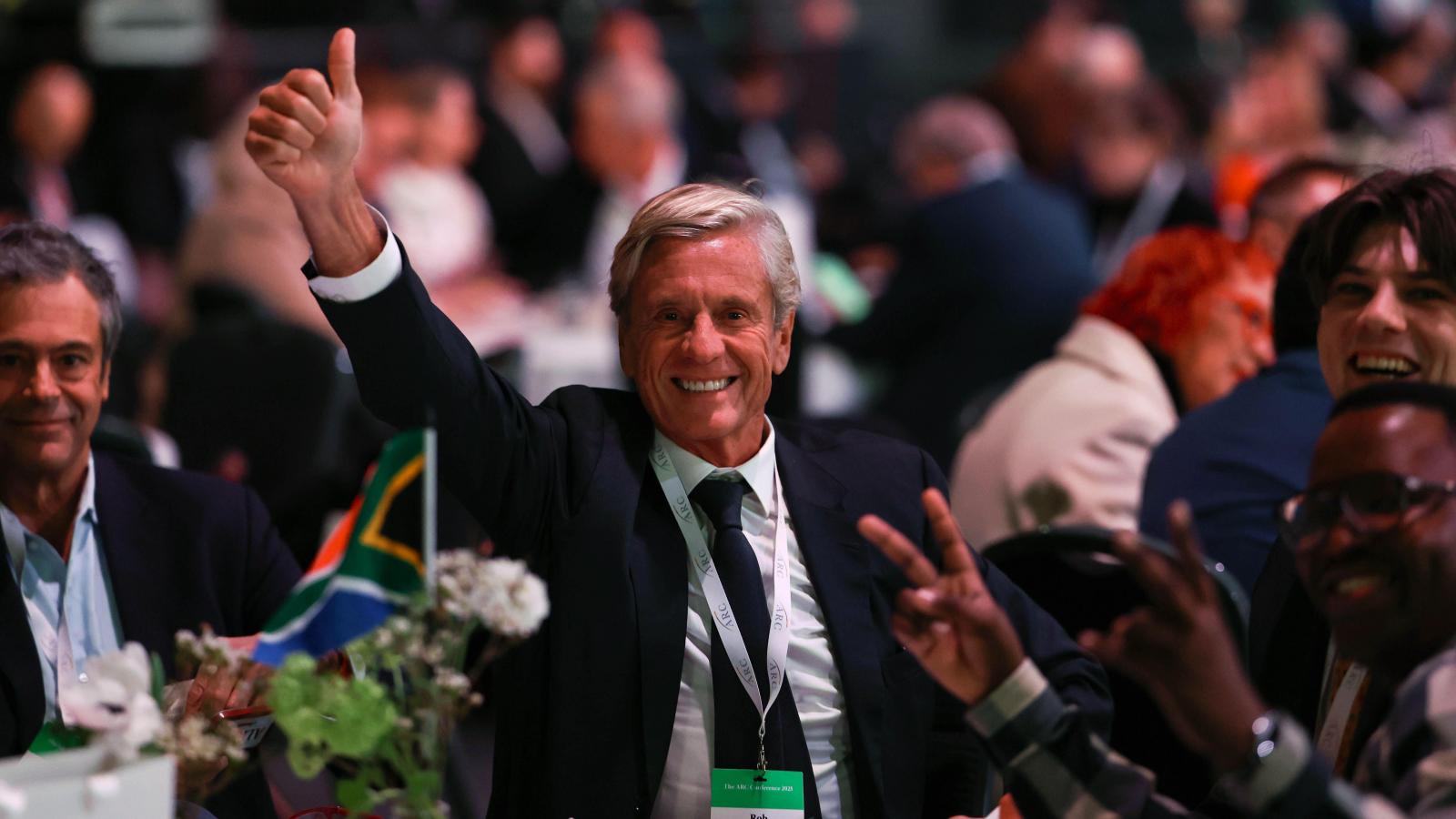
South African billionaire and businessman Rob Hersov has revealed how artificial intelligence helped him and his business partners establish a technology company in just 24 hours, with the venture securing its first commercial contract within a week.
The company, known as Zero Point, focuses on developing and deploying artificial intelligence applications that address business challenges.
Hersov co-founded the venture alongside Louis McLaren, Gerrit Steenkamp and Deon Fourie.
Speaking during an interview with Jan Hugo on The Relocated South African podcast, Hersov explained how advances in artificial intelligence are dramatically reducing the time required to develop technology products and establish businesses.
The entrepreneur believes that the rapid development of AI is creating new opportunities for South African innovators, particularly those who previously lacked the financial resources or technical capacity to launch software companies.
Zero Point Was Developed in Just 24 Hours
According to Hersov, Zero Point was established after the founders identified an existing business model they believed they could reproduce using modern technology.
He explained that the team was able to rebuild the underlying business concept within a single day.
The rapid development process was made possible by the availability of AI-powered software development tools and the technical capabilities of the founding team.
The company subsequently approached a potential customer and secured its first contract during its opening week.
Hersov said he expected the business to become profitable by the end of its first month, once its initial invoices had been issued.
However, this was a projection made during the interview rather than a confirmed financial result.
The value of the first contract, the identity of the customer and the company’s initial revenue figures were not disclosed.
What Does Zero Point Do?
Zero Point develops and deploys artificial intelligence applications intended to solve business problems.
The company also offers businesses their own AI infrastructure.
This approach allows organisations to explore AI applications tailored to their specific operational requirements.
Businesses may seek customised AI systems to improve internal processes, analyse information or automate repetitive administrative work.
Unlike general-purpose AI chatbots, tailored business applications can be designed around particular workflows and organisational requirements.
However, the specific products, technical architecture and pricing of Zero Point’s services have not been publicly detailed in the reporting available.
The company’s commercial success will depend on its ability to deliver reliable solutions and build a sustainable customer base.
Rob Hersov Says AI Is Changing Entrepreneurship
Hersov believes artificial intelligence has significantly lowered some of the barriers associated with launching technology businesses.
Historically, developing a software company could require substantial investment in programmers, infrastructure, product development and testing.
AI-assisted development tools can now help experienced teams complete certain tasks much more quickly.
These tools can assist with writing software code, preparing documentation, testing applications and developing early product prototypes.
Hersov argued that entrepreneurs with strong business ideas can now move from concept to product development within days rather than months.
However, building an initial application quickly does not automatically mean a company has developed a secure, scalable or commercially successful product.
Businesses must still address customer requirements, reliability, cybersecurity, regulatory compliance and ongoing maintenance.
Who Is Rob Hersov?
Rob Hersov is a South African businessman and investor with an extensive international career.
He left South Africa in 1985 and spent approximately 31 years overseas before returning to the country.
His career began at Goldman Sachs on Wall Street.
He subsequently worked with Rupert Murdoch’s News Corporation and led Morgan Stanley’s media investment banking activities in Europe.
Hersov also served on the main board of Richemont under Johann Rupert.
During the 1990s, he was chief executive officer of Telepiù, an Italian pay-television company.
His experience across investment banking, media and international business helped establish his career as an entrepreneur and investor.
From Private Aviation to Technology Investment
Hersov has participated in several business ventures across different industries.
In 2002, he co-founded Marquis Jet Europe, which introduced private aviation products to European customers.
The business was later acquired by NetJets, a subsidiary of Berkshire Hathaway.
Hersov subsequently served as vice-chairman of NetJets Europe.
He also founded Invest Africa in London, an organisation intended to connect international investors with business opportunities across the African continent.
Following his return to South Africa, Hersov expanded his involvement in local investment opportunities.
His investments have included Cape Winelands Airport, Africa Padel and Africa Bitcoin Corporation.
He has also backed cryptocurrency-related ventures and development projects in the Western Cape.
Zero Point represents another addition to his portfolio, with a particular focus on artificial intelligence.
AI Could Help South African Startups Compete
The rapid development of Zero Point highlights the potential role of artificial intelligence in South Africa’s startup ecosystem.
Smaller companies often face challenges accessing capital, recruiting specialised technical staff and developing commercial software.
AI-assisted tools can potentially reduce the time and cost involved in producing early versions of digital products.
For example, entrepreneurs may use AI to help develop websites, business applications, customer service systems and internal management platforms.
These capabilities could allow smaller businesses to test ideas before committing substantial resources.
However, access to AI tools alone is not enough.
Successful technology businesses still require capable developers, commercial planning, customer relationships and effective management.
Business Ideas Could Become Products Within Days
During the podcast interview, Hersov also discussed how his children, aged 12 and 15, had developed business ideas.
He explained that a company in Pretoria could help turn such ideas into structured business plans, marketing strategies and funding proposals.
According to Hersov, experienced engineers using AI tools could potentially develop an initial product within 48 hours.
The example was intended to demonstrate how technology has changed the process of turning ideas into practical applications.
It does not mean that every business idea can become a fully operational company within two days.
Product complexity, legal requirements, technical specifications and customer needs can significantly affect development times.
Nevertheless, AI-assisted software development is creating opportunities for faster experimentation.
What This Means for African Entrepreneurs
For entrepreneurs across Africa, the emergence of companies such as Zero Point raises important questions about the future of business development.
Artificial intelligence may allow smaller teams to build products and services that previously required larger organisations.
An online retailer could develop an automated customer service application.
A logistics company could explore software that improves delivery scheduling.
A professional services business could automate aspects of document preparation and information management.
Similarly, manufacturers and industrial businesses may use AI systems to analyse operational data and identify opportunities to improve efficiency.
These are potential applications of AI technology, rather than confirmed products offered by Zero Point.
The broader opportunity lies in using technology to address genuine business needs.
Can AI Reduce the Cost of Starting a Business?
Artificial intelligence can reduce the time required for certain tasks, including drafting software code, generating marketing material and preparing initial business documentation.
This can lower some development expenses.
However, launching a sustainable business still involves costs associated with legal compliance, software hosting, cybersecurity, customer acquisition and ongoing support.
AI-generated code may also contain errors or security vulnerabilities.
Businesses should therefore ensure that qualified professionals review applications before they are deployed in sensitive or commercial environments.
For companies handling customer information, compliance with South Africa’s Protection of Personal Information Act (POPIA) is particularly important.
AI can accelerate business development, but it does not eliminate the need for responsible governance.
The Future of AI Entrepreneurship in South Africa
Zero Point’s early development demonstrates how established investors and technical entrepreneurs are responding to advances in artificial intelligence.
The company’s reported ability to secure a contract within its first week suggests that its founders identified an immediate commercial opportunity.
However, long-term success will depend on whether it can consistently deliver valuable services to customers.
The venture also highlights the growing importance of combining technical expertise with commercial experience.
As AI tools become more capable, entrepreneurs may increasingly focus on identifying business problems and developing practical solutions rather than building every technical component from scratch.
For South Africa, this could create opportunities for software developers, engineers, digital service providers and technology startups.
Conclusion
Rob Hersov’s involvement in Zero Point provides an example of how artificial intelligence is changing the pace of technology entrepreneurship.
According to Hersov, the company was developed in just 24 hours and secured its first commercial contract within a week.
The venture brings together Hersov, Louis McLaren, Gerrit Steenkamp and Deon Fourie to develop AI applications and infrastructure for businesses.
Although the company’s longer-term financial performance remains to be established, its rapid launch illustrates the possibilities created by AI-assisted development.
For South African entrepreneurs, the broader lesson is that technology can help accelerate the process of transforming ideas into commercial products.
However, sustainable businesses still require strong execution, reliable technology and customers willing to pay for the services offered.