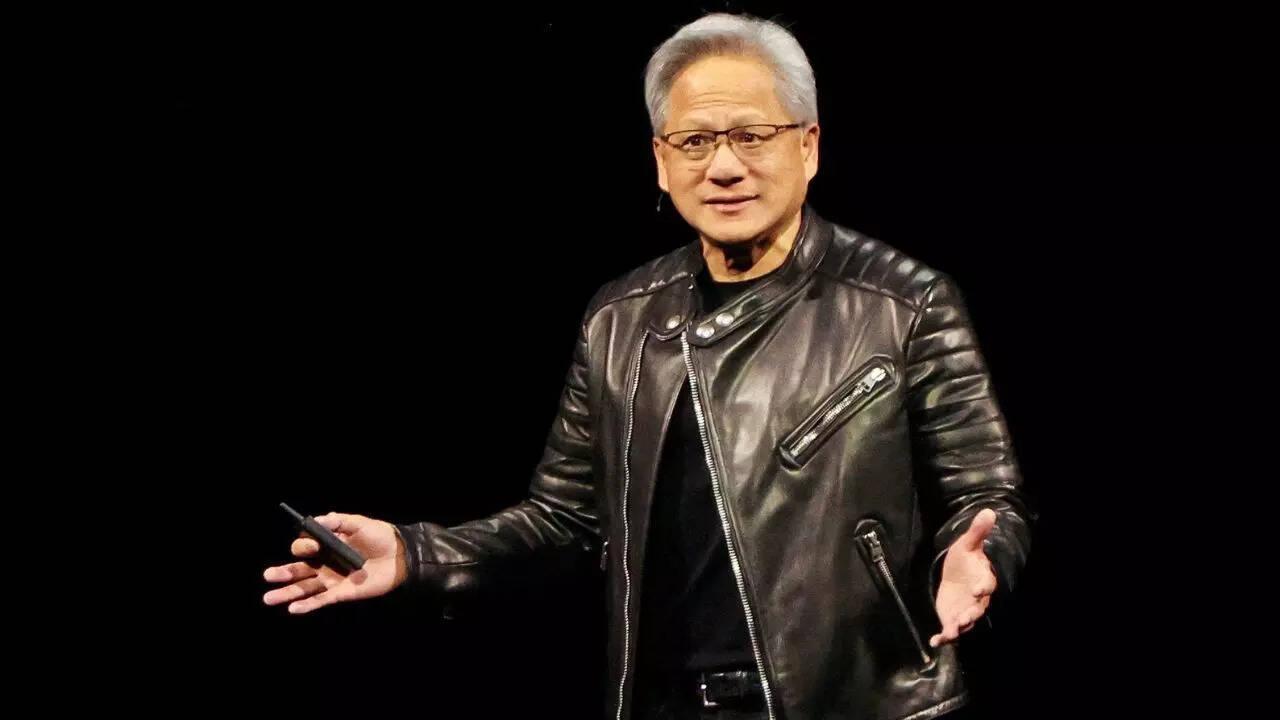
Jensen Huang Resigns as Nvidia CEO Amid Spy Scandal
Nvidia CEO Jensen Huang Resigns Amid Alleged Chinese Spy Affair as Shares Plunge
Jensen Huang, the billionaire co-founder and chief executive of Nvidia, has resigned from the American semiconductor giant following revelations about his personal relationships, including an alleged affair with a Chinese businesswoman suspected by US intelligence officials of espionage.
The sudden departure has sent shockwaves through the global technology industry, raising concerns about leadership stability at one of the world’s most influential artificial intelligence companies.
Nvidia confirmed on Thursday that Huang had resigned as president, chief executive officer and a member of its board of directors with immediate effect.
The announcement came after reports that the company’s board was examining allegations involving Huang’s relationships with two women, including a business executive linked to a company previously investigated over possible violations of US restrictions on advanced semiconductor exports.
The controversy has triggered a sharp sell-off in Nvidia shares, threatening to wipe hundreds of billions of dollars from the company’s market valuation.
Nvidia Confirms Jensen Huang’s Resignation
In an official announcement dated 12 November 2026, Nvidia confirmed that its board had accepted Huang’s departure.
The company appointed chief financial officer Colette Kress as interim chief executive while it begins searching for a permanent replacement.
Kress will continue serving as chief financial officer during the transition.
Nvidia also announced that Harvey C. Jones, a longtime director who joined its board in 1993, had been appointed as its first board chair.
The company said its search for a permanent CEO would consider both internal and external candidates.
Nvidia’s board thanked Huang for his contributions to the business and the semiconductor industry.
The official announcement did not establish that Huang had committed espionage or that confidential company information had been compromised.
Alleged Relationship With Suspected Chinese Spy
The controversy centres partly on Huang’s reported relationship with Alice Huang, a Chinese businesswoman formerly associated with Singapore-based artificial intelligence infrastructure company Megaspeed.
Alice Huang is not related to Jensen Huang.
According to reporting by The New York Times and Reuters, US intelligence officials suspected that Alice Huang was connected to Chinese intelligence activities.
The allegations raised concerns about whether Huang, who had extensive knowledge of Nvidia’s technology and business operations, could have been targeted by a foreign intelligence operation.
However, the allegations against Alice Huang have not been established through a public criminal conviction.
Chinese authorities have rejected the spying accusations as groundless.
US President Donald Trump also said he believed Jensen Huang did not know the woman was suspected of espionage.
The distinction is important because the existence of a personal relationship does not establish that Huang knowingly participated in intelligence activities.
Nvidia Board Launched Independent Investigation
On 8 November 2026, Nvidia announced that its board was launching an independent investigation into reports that Huang had been targeted by a foreign intelligence effort.
The investigation was placed under the supervision of independent directors supported by external legal advisers.
At the time, the board publicly expressed confidence in Huang and his leadership team.
It also stated that it had no reason to believe Nvidia’s confidential information or US national security had been compromised.
Nevertheless, the allegations attracted attention from lawmakers, investors and regulators because Nvidia supplies advanced chips used in artificial intelligence systems.
The company’s technology has become strategically important in the competition between the United States and China over advanced computing capabilities.
Reports of a Second Relationship Intensify Pressure
The controversy deepened after The New York Times reported that Huang had also been involved in an extramarital relationship with Kimberly Powell, a senior Nvidia executive.
Powell served as Nvidia’s vice-president of healthcare and reportedly reported directly to Huang.
The allegations created additional questions about corporate governance, workplace relationships and executive accountability.
Huang had previously acknowledged to Nvidia employees that he had been unfaithful to his wife, although he did not publicly provide detailed confirmation of every allegation reported by the media.
The Wall Street Journal subsequently reported that Nvidia’s board was preparing to remove Huang from his position.
Reuters also reported that the board had met to discuss his future.
His resignation was formally confirmed the following day.
Nvidia Shares Plunge as Investors React
Financial markets responded sharply to the leadership crisis.
Nvidia shares fell more than 8% in after-hours trading on Wednesday following reports that the board was considering Huang’s removal.
The stock continued declining on Thursday.
Reuters reported that shares fell more than 12%, threatening to erase approximately $500 billion from Nvidia’s market capitalisation.
The decline reflected investor concerns about the sudden loss of the executive who had led the company since its founding in 1993.
However, the share-price movement should not be attributed solely to the personal allegations.
Investors were also assessing leadership uncertainty, corporate governance risks, US-China trade restrictions and broader concerns about valuations in the artificial intelligence industry.
The reported losses represent changes in stock-market valuation, not cash withdrawn from Nvidia’s bank accounts.
Why Jensen Huang’s Departure Matters
Huang co-founded Nvidia in 1993 and helped transform it from a graphics processing company into a global leader in accelerated computing.
Under his leadership, Nvidia’s graphics processing units became essential components of systems used to train and operate advanced artificial intelligence models.
The company’s chips are widely used by cloud computing providers, research institutions and technology companies developing AI applications.
The rapid growth of artificial intelligence increased demand for Nvidia’s hardware and helped make it one of the world’s most valuable publicly traded companies.
Huang also played a prominent role in the company’s relationships with suppliers, technology developers and government officials.
His departure therefore creates a major leadership transition at a time when Nvidia faces intense competition and regulatory scrutiny.
US-China Technology Tensions Add to the Controversy
The allegations involving Alice Huang have drawn particular attention because of existing tensions between Washington and Beijing over advanced semiconductor technology.
The United States has imposed restrictions on exports of certain advanced chips and related technology to China.
American authorities have expressed concerns that sophisticated AI processors could support military and intelligence applications.
Nvidia has repeatedly sought opportunities to maintain access to the Chinese market while complying with US export regulations.
Megaspeed, the Singapore-based company previously associated with Alice Huang, has reportedly faced scrutiny over suspicions involving the movement of advanced computing equipment.
The existence of those investigations does not establish that Huang knowingly violated export laws.
Nevertheless, the allegations have intensified questions about corporate security and the protection of sensitive technology.
Political Pressure Mounts in Washington
The controversy also attracted attention from American lawmakers.
Republican Senator Kevin Cramer called for Huang’s resignation, citing concerns about potential national security vulnerabilities.
Other lawmakers have called for closer examination of advanced chip exports and the risks associated with foreign intelligence operations.
The matter has also become part of the broader political debate over US technology policy towards China.
However, the allegations involving Huang’s personal relationships and questions surrounding semiconductor exports remain separate issues that require independent examination.
No public finding cited in the reporting establishes that Huang knowingly transferred Nvidia secrets to Chinese intelligence.
Nvidia Faces Shareholder Lawsuit
The company and Huang have also faced legal action from investors.
According to Reuters, a proposed class-action lawsuit filed in California accused Nvidia and its former CEO of misleading shareholders by failing to disclose information about Huang’s alleged relationship with Alice Huang and its potential implications.
The lawsuit seeks unspecified damages.
The allegations contained in the complaint have not been proven in court.
Shareholder litigation can arise following substantial share-price declines, particularly when investors believe that important information may not have been disclosed.
Whether the claims succeed will depend on the evidence and the applicable legal standards.
Who Is Colette Kress, Nvidia’s Interim CEO?
Colette Kress has served as Nvidia’s executive vice-president and chief financial officer since September 2013.
Before joining Nvidia, she spent nearly 25 years in finance leadership positions at major technology companies, including Cisco and Microsoft.
Her appointment provides continuity while Nvidia searches for a permanent chief executive.
As interim CEO, Kress will oversee the company’s operations while retaining her financial responsibilities.
The board has indicated that it intends to continue Nvidia’s existing technology development and product roadmap.
The company has not announced when a permanent CEO will be appointed.
What Happens Next for Nvidia?
The immediate priorities for Nvidia include managing the leadership transition, maintaining customer confidence and continuing its product development programme.
The company is also expected to face ongoing questions about the independent investigation and the governance issues raised by the allegations.
Investors will be closely watching whether the departure affects relationships with major customers, technology partners and regulators.
Nvidia is scheduled to report its third-quarter fiscal 2027 financial results on 17 November 2026.
Those results could provide additional insight into the company’s operating performance during a period of significant market uncertainty.
The long-term consequences of Huang’s departure remain uncertain.
Conclusion
Jensen Huang’s resignation marks a major turning point for Nvidia and the wider artificial intelligence industry.
After more than three decades leading the company he co-founded, Huang has stepped down amid reports of extramarital relationships, national security concerns and mounting pressure from investors and lawmakers.
Nvidia has appointed Colette Kress as interim chief executive and begun searching for a permanent successor.
The controversy has already contributed to substantial market volatility, with the company’s shares suffering sharp declines.
However, allegations involving Chinese espionage remain unproven, and Nvidia has previously stated that it has no reason to believe its secrets or US national security were compromised.
As the company prepares for its next chapter, attention will focus on its leadership transition, the findings of ongoing investigations and its ability to maintain its position in the global AI semiconductor market.