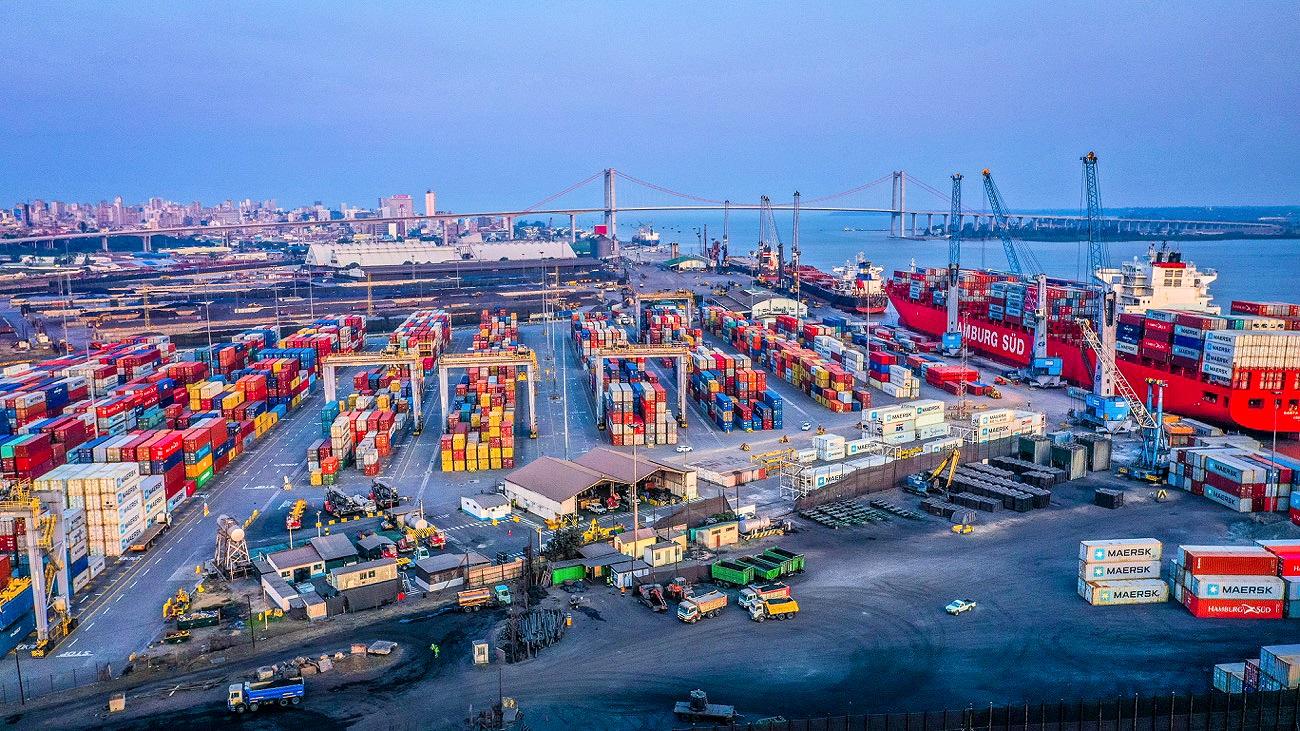
Mozambique Calls for Logistics Investment Roadmap to 2030
CTA Calls for Transport and Logistics Investment Roadmap to Strengthen Mozambique’s Trade Corridors in Africa
By Ubuntu9Media Africa Business Desk
MAPUTO, MOZAMBIQUE | Friday, 6 November 2026
Mozambique’s Confederation of Economic Associations (CTA) has called for the development of a comprehensive Transport and Logistics Investment Roadmap for 2026–2030, designed to modernise infrastructure, reduce transport costs and strengthen the country’s position as a regional trade gateway for Southern Africa.
The proposal focuses on improving the efficiency of the Maputo, Beira and Nacala transport corridors, which connect Mozambique’s ports with neighbouring countries and international markets.
CTA vice-president Onório Manuel presented the initiative during the inaugural Mozambique Transport and Logistics Investment Forum and Exhibition, known as TRANS-LOG MOZ 2026, held in Maputo on 4 and 5 November.
The business association wants the proposed roadmap to identify priority infrastructure projects, establish measurable cost-reduction targets and introduce mechanisms to monitor implementation.
The initiative also seeks to mobilise private-sector capital at a time when public financing constraints are limiting infrastructure development across the region.
Mozambique Seeks to Strengthen Its Position as a Regional Trade Gateway
Mozambique occupies an important geographical position along Africa’s southeastern coastline.
Its ports provide access to international shipping routes for several landlocked and inland economies, including Zimbabwe, Zambia and Malawi, as well as parts of South Africa.
The country’s three major logistics corridors — Maputo, Beira and Nacala — support the movement of agricultural commodities, minerals, manufactured goods and other commercial cargo.
However, businesses continue to encounter transport bottlenecks, border delays, infrastructure limitations and logistical inefficiencies.
According to the CTA, Mozambique must address these constraints to fully benefit from its geographical advantages.
The association believes that improving the entire transport network, rather than focusing only on individual ports, is essential to strengthening regional competitiveness.
CTA Proposes Transport and Logistics Roadmap for 2026–2030
The proposed investment roadmap would provide a strategic framework for transport and logistics development over the next four years.
CTA wants the framework to identify projects that can attract financing and deliver measurable economic benefits.
The proposed priorities include:
- Modernising ports and cargo-handling equipment.
- Improving railway and road connections between ports and inland markets.
- Developing logistics terminals and inland dry ports.
- Expanding grain storage and cold-chain infrastructure.
- Simplifying cross-border customs and transport procedures.
- Introducing digital cargo management and tracking systems.
- Establishing measurable targets for reducing logistics costs.
- Creating monitoring mechanisms to assess project implementation.
The business association has emphasised that infrastructure development must translate into faster, more predictable and less expensive cargo movement.
Private Investment Needed to Modernise Infrastructure
CTA believes private-sector participation will be essential to financing Mozambique’s transport infrastructure ambitions.
Large logistics projects require significant capital, while government budgets face competing development priorities.
The association has therefore called for investment models that attract private investors, development finance institutions and international partners.
These could include public-private partnerships, concessions and other commercially sustainable financing arrangements.
Onório Manuel stressed the importance of presenting investors with projects supported by credible demand assessments, feasibility studies, clear capital requirements and workable operating models.
This approach is intended to move infrastructure proposals beyond announcements and towards projects capable of securing financing.
Investors generally require clarity about expected cargo volumes, revenue sources, operating costs, regulatory conditions and project risks before committing capital.
Maputo Corridor: A Major Link With South Africa
The Maputo Development Corridor connects Mozambique’s capital and port infrastructure with South Africa’s industrial and commercial regions.
The corridor is particularly relevant to businesses operating in Mpumalanga and Gauteng.
It supports trade in minerals, agricultural products, manufactured goods and other commodities.
The Port of Maputo has experienced significant growth in cargo activity.
According to figures presented during the forum, the port handled a record 32 million tonnes of cargo in 2025.
This growth highlights its increasing role in regional freight movements.
However, higher cargo volumes also increase the importance of efficient railway services, road access, border processing and terminal operations.
For South African exporters, improvements along the Maputo Corridor could provide additional options for accessing international markets.
The benefits would depend on freight rates, border efficiency, rail availability and the specific requirements of each shipment.
Beira Corridor: Supporting Trade With Zimbabwe and Inland Markets
The Beira Corridor provides an important transport connection between central Mozambique and neighbouring inland economies.
Its infrastructure supports the movement of imported and exported goods through the Port of Beira.
The corridor is particularly relevant to Zimbabwe and other regional markets that depend on access to maritime trade routes.
Improved rail and road connectivity could help reduce delays and increase the reliability of freight services.
CTA’s proposed roadmap places emphasis on addressing logistical constraints across entire corridors.
This includes improving the coordination of transport infrastructure, border operations and cargo-handling facilities.
The objective is to ensure that increased port capacity is supported by efficient inland transport connections.
Nacala Corridor: Strengthening Northern Mozambique’s Trade Links
The Nacala Corridor is another important component of Mozambique’s regional logistics network.
It links the Port of Nacala with inland areas of northern Mozambique and neighbouring Malawi, with connections serving wider regional markets.
The corridor supports agricultural trade, mineral exports and general cargo movements.
Its long-term development depends on reliable railway services, efficient terminals and stronger connections with inland commercial centres.
CTA has identified the corridor as one of the three major transport networks requiring coordinated investment.
The proposed roadmap would seek to improve the commercial competitiveness of Nacala alongside Maputo and Beira.
Mozambique’s Ports Handled 66.5 Million Tonnes in 2024
During the investment discussions, CTA highlighted the scale of Mozambique’s existing port operations.
According to figures presented by the association, Mozambican ports collectively handled approximately 66.5 million tonnes of cargo in 2024.
The Port of Maputo subsequently recorded 32 million tonnes in 2025.
These figures demonstrate the importance of maritime transport to Mozambique’s economy.
However, cargo throughput alone does not establish whether the country’s logistics system is operating efficiently.
Businesses also need reliable delivery schedules, predictable costs and effective connections between ports, warehouses, railways and border facilities.
The CTA argues that investment decisions should consider these broader operational requirements.
Digital Technology Could Improve Cargo Movement
Digitalisation is another major component of the proposed roadmap.
Modern logistics systems increasingly rely on electronic documentation, real-time cargo tracking and integrated transport management platforms.
Such technologies can improve visibility across supply chains and help operators identify delays.
Digital customs procedures may also reduce administrative burdens at border crossings.
For transport companies, improved tracking and documentation systems can assist with fleet planning, delivery scheduling and customer communication.
However, technology investments must be accompanied by reliable infrastructure, coordinated procedures and training.
A digital system alone cannot eliminate physical bottlenecks caused by insufficient railway capacity or congested border facilities.
Mozambique Wants Transport Corridors to Support Industrialisation
The investment discussions also addressed the broader economic role of logistics infrastructure.
Mozambican President Daniel Chapo called for the country’s transport corridors to support industrial development, employment and wealth creation.
This approach would seek to expand the economic benefits of logistics infrastructure beyond the transit of raw materials and imported goods.
Industrial parks, processing facilities, distribution centres and manufacturing operations could potentially benefit from improved access to transport networks.
For example, more efficient cold-chain infrastructure could support agricultural exports, while improved railway services could strengthen mineral and industrial supply chains.
The objective is to connect infrastructure investment with broader economic activity.
What the Roadmap Could Mean for South African Businesses
The proposed logistics investment programme could have implications for South African exporters, transport companies, freight forwarders and mining businesses.
South Africa shares important trade and transport connections with Mozambique, particularly through the Maputo Corridor.
For mining companies transporting minerals to international markets, reliable access to port infrastructure is an important operational consideration.
Transport costs can influence the commercial viability of lower-value bulk commodities.
More efficient railway and port operations could improve the competitiveness of regional exports, although the actual savings would depend on future infrastructure investments and commercial arrangements.
Logistics companies may also find opportunities in warehousing, freight handling, cross-border transport, cargo tracking and infrastructure services.
The proposed roadmap does not yet establish which projects will receive funding or when construction and implementation will begin.
Investment Opportunities for African Logistics Companies
The CTA has identified several areas where private businesses and investors could participate in Mozambique’s logistics development.
These include inland freight terminals, storage facilities, cold-chain infrastructure, railway equipment, port machinery and digital freight management systems.
The expansion of transport corridors could also create demand for maintenance services, engineering contractors and specialised logistics operators.
However, the viability of individual projects will depend on confirmed demand, financing arrangements and regulatory approvals.
Businesses interested in participating would need to assess commercial risks and monitor the development of the proposed investment roadmap.
TRANS-LOG MOZ 2026 Brings Together Regional Investors
The inaugural TRANS-LOG MOZ 2026 forum took place at the Joaquim Chissano International Conference Centre in Maputo.
The event brought together government representatives, investors, financial institutions, transport operators and infrastructure developers.
Discussions focused on modernising ports, improving railway and road networks, financing infrastructure projects and strengthening regional trade integration.
The forum was organised by AME Trade Mozambique in partnership with Mozambique’s Ministry of Transport and Logistics.
Its broader objective was to encourage partnerships capable of supporting infrastructure development and improving the competitiveness of regional trade routes.
What Happens Next?
CTA wants the discussions held during TRANS-LOG MOZ 2026 to contribute to the development of a formal Transport and Logistics Investment Roadmap covering 2026 to 2030.
The proposed document would establish investment priorities, identify major logistical constraints and set targets for improving transport efficiency.
The association has expressed its willingness to work with government, neighbouring countries, investors and development partners.
However, the roadmap remains a proposal.
No comprehensive financing package, approved implementation timetable or final project portfolio has been confirmed as part of the CTA announcement.
Its practical impact will depend on whether the proposed framework is adopted and translated into funded infrastructure projects.
Conclusion
Mozambique’s business community is calling for a coordinated investment strategy to strengthen the country’s role in African trade.
The proposed 2026–2030 roadmap would focus on the Maputo, Beira and Nacala corridors, with particular attention to infrastructure modernisation, private investment and lower transport costs.
For Southern African businesses, improved logistics connectivity could create opportunities in freight transport, mining exports, agriculture, warehousing and cross-border trade.
The key challenge will be turning investment proposals into commercially viable projects that deliver measurable improvements.