Volvo Dealer Ordered to Pay R372,000 After Engine Failure
Volvo Breakdown Costs Dealer R372,000
CAPE TOWN, 28 October 2026 — A South African car dealership has been ordered to pay more than R372,000 in refunds and storage costs after selling a second-hand Volvo that suffered a serious engine failure within four months of purchase.
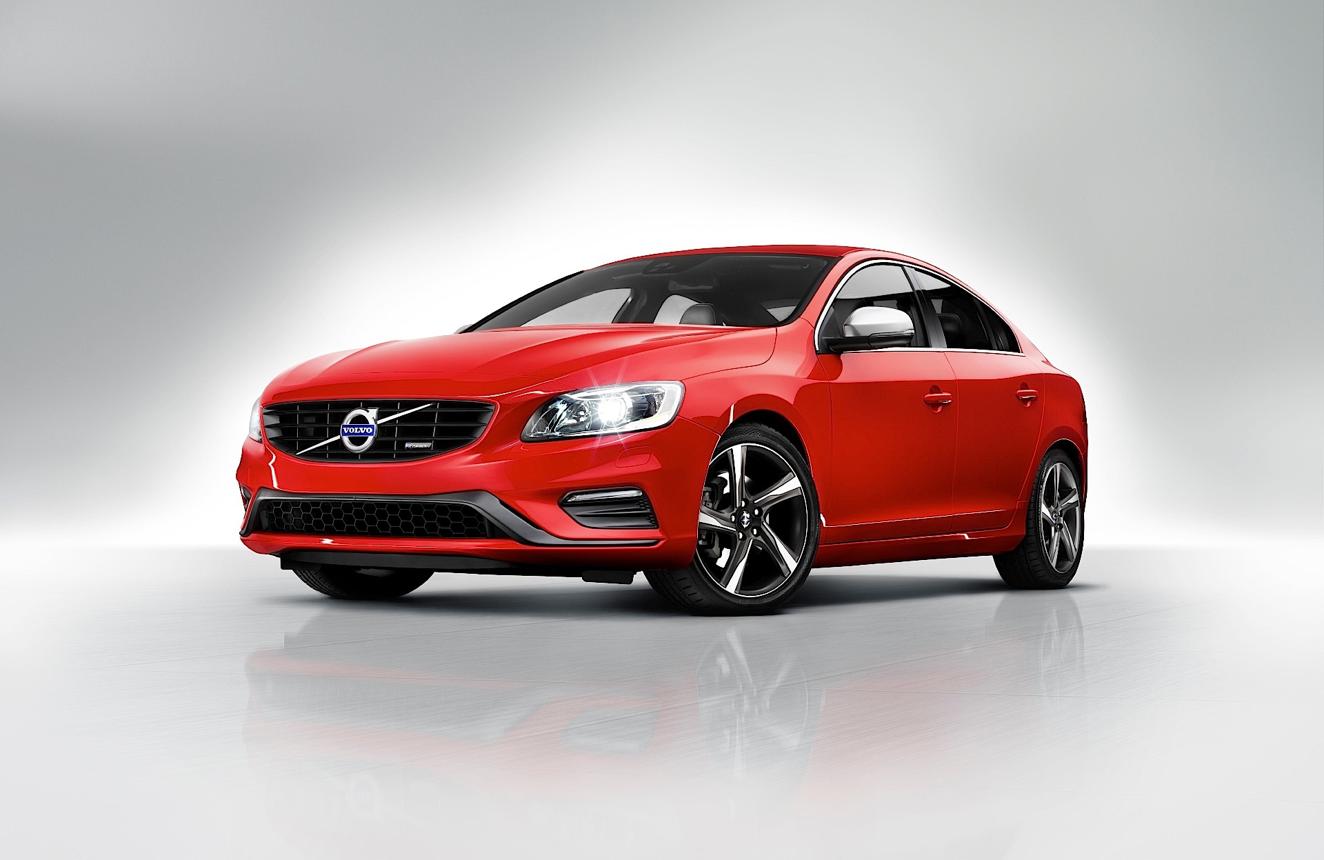
The Western Cape High Court ruled in favour of Lise Julie Dean, who purchased a 2013 Volvo S60 from Purple Rain Properties No 112 (Pty) Ltd for R169,990 on 21 October 2021.
The vehicle developed cooling-system problems in February 2022 before suffering a catastrophic engine failure that left it unusable.
After the dealership refused to refund her money and accept the vehicle’s return, Dean pursued the matter through the Motor Industry Ombudsman and ultimately the courts.
Deputy Judge President Patricia Goliath found that the dealership had breached the Consumer Protection Act by supplying a vehicle that failed to meet the required standards of quality and durability.
The judgment confirms that consumers purchasing second-hand vehicles from dealerships remain protected by South African consumer law.
Volvo Engine Fails Less Than Four Months After Purchase
Dean purchased the Volvo in October 2021 when the vehicle was approximately eight-and-a-half years old.
For the first few months, she was able to use the car.
However, on 2 February 2022, a warning light appeared indicating that the engine coolant level was low.
Her husband topped up the coolant, and the dealership was informed about the problem.
A representative of the dealership requested that the vehicle be taken to its workshop for inspection.
The following day, the dealership’s workshop identified a cracked expansion tank that had allowed coolant to leak from the cooling system.
The workshop carried out what it described as a temporary but critical repair.
The vehicle was returned to Dean on the same day.
However, the problem was far from resolved.
Volvo Breaks Down During Road Trip
On 7 February 2022, Dean was travelling from Knysna towards Hermanus when the Volvo displayed an engine performance failure warning.
The vehicle came to a stop near Caledon.
Black smoke was also observed coming from the exhaust.
The Volvo could no longer be driven and required further mechanical inspection.
The vehicle was subsequently examined by Rola Volvo in Somerset West.
Technicians discovered that the engine had no compression and that coolant was escaping between the cylinder and the engine block.
The damage was consistent with a blown head gasket caused by overheating following the loss of coolant.
The dealership’s earlier repair had therefore not prevented a major mechanical failure.
Repairs Quoted At R165,627
The cost of repairing the Volvo was almost equal to the amount Dean had originally paid for the vehicle.
Rola Volvo issued a repair quotation of R165,627.60.
The original purchase price was R169,990.
This meant the proposed repairs amounted to approximately 97% of the purchase price.
For Dean, the vehicle had effectively become unusable only a few months after purchase.
The severity of the damage became central to the court’s assessment of whether the vehicle had met the standards required by consumer legislation.
Dealership Refuses To Refund Customer
On 28 February 2022, Dean formally demanded a refund from the dealership.
She also offered to return the defective vehicle.
However, Purple Rain Properties refused to accept the cancellation of the transaction and did not agree to refund the purchase price.
The disagreement continued despite the mechanical evidence indicating serious engine damage.
Dean subsequently approached the Motor Industry Ombudsman of South Africa in an attempt to resolve the dispute.
On 10 October 2022, the ombudsman recommended cancellation of the sale agreement and a partial refund.
The dealership rejected that recommendation.
As the dispute continued, the inoperable Volvo remained in storage in Knysna.
The storage charges accumulated over several years, eventually becoming greater than the original purchase price of the vehicle.
Dealership Challenges Consumer’s Claim
During the legal proceedings, the dealership disputed Dean’s entitlement to a full refund.
It argued that she had driven the vehicle for approximately 3,400 kilometres before the first coolant warning appeared.
According to the dealership, this demonstrated that the vehicle had remained usable for a period after the sale.
The company contended that the mechanical defect had not substantially impaired the vehicle’s usefulness during that time.
It also disputed the claim for storage costs and other damages.
The dealership maintained that Dean was required to prove the losses she claimed.
However, the company closed its case without calling any witnesses to testify.
The court ultimately rejected its argument that the period of use before the breakdown defeated Dean’s claim.
Judge Rules In Favour Of Consumer
Deputy Judge President Goliath examined the evidence and the requirements of Sections 55 and 56 of the Consumer Protection Act.
Section 55 protects consumers by requiring goods to be reasonably suitable for their intended purpose, of acceptable quality and in good working order.
Goods must also be reasonably durable, taking account of their nature and the circumstances in which they are supplied.
Section 56 establishes an implied warranty of quality and provides remedies when goods fail to meet the required standards.
The judge found that the Volvo’s mechanical failure was serious enough to render the vehicle unusable.
The court also noted that there was no evidence that Dean had caused the damage through negligence.
Although the Volvo was a used vehicle, the court concluded that a reasonable buyer could still expect it to remain usable for a reasonable period.
The catastrophic failure within approximately four months of delivery did not meet that expectation.
Used Vehicles Are Protected By Consumer Law
The judgment reinforces an important principle for South African motorists: buying a second-hand vehicle does not automatically mean accepting responsibility for every defect that appears shortly after purchase.
Under the Consumer Protection Act, qualifying consumers have statutory rights when goods supplied by a business fail to meet the required standards.
Within six months of delivery, a consumer may return defective goods covered by the implied warranty of quality.
Depending on the circumstances, the consumer may choose a repair, replacement or refund.
A dealership cannot automatically avoid these obligations simply because a vehicle is older or has accumulated mileage.
However, the law does not guarantee that every mechanical problem in a used vehicle will entitle the buyer to a refund.
The nature of the defect, its cause, the vehicle’s condition, any lawful disclosures and the available evidence remain important.
In Dean’s case, the court found that the evidence supported her claim.
Court Orders Full R169,990 Refund
The court confirmed the cancellation of the sale agreement dated 21 October 2021.
Purple Rain Properties was ordered to refund Dean the full purchase price of R169,990.
Importantly, the refund was ordered without any deduction for the period during which Dean had used the vehicle.
This was significant because the dealership had relied on the approximately 3,400 kilometres travelled before the initial warning appeared.
The judge nevertheless concluded that Dean was entitled to recover the full amount.
The dealership was also ordered to pay interest at the prescribed legal rate, as provided for in the judgment.
Storage Fees Exceed The Price Of The Car
One of the most striking aspects of the judgment concerns the cost of storing the defective Volvo.
The vehicle remained in storage in Knysna after the dispute arose.
As the dealership refused to accept the vehicle’s return, the costs continued to accumulate.
The court awarded Dean R202,425.80 in storage costs.
The order also provided for further storage charges calculated at R1,200 per month for the specified additional period, together with applicable interest.
The judge found that the dealership’s refusal to comply with the Motor Industry Ombudsman’s recommendation had contributed to the accumulation of storage expenses.
The dealership could have taken steps to reduce those costs but failed to do so.
The court accepted that Dean had been compelled to preserve the vehicle while pursuing legal action.
It was therefore fair and equitable for the dealership to bear the storage expenses.
Total Financial Consequences Exceed R372,000
The two principal monetary amounts in the judgment are:
| Court-ordered amount | Value |
|---|---|
| Full vehicle purchase refund | R169,990.00 |
| Stated storage costs | R202,425.80 |
| Combined amount | R372,415.80 |
This amount does not include interest, legal costs or any further storage charges payable under the court order.
The final financial consequences for the dealership may therefore be higher.
The case demonstrates how a dispute over a defective vehicle can become considerably more expensive when it remains unresolved for several years.
Motor Industry Ombudsman’s Role Highlighted
The judgment also draws attention to the importance of the Motor Industry Ombudsman of South Africa.
The ombudsman provides a mechanism for consumers and motor-industry businesses to attempt to resolve disputes.
In Dean’s case, the ombudsman recommended cancellation of the sale and a partial refund in October 2022.
The dealership did not accept the recommendation.
The court subsequently considered the consequences of that refusal when assessing storage costs.
While an ombudsman recommendation does not automatically determine the outcome of a court case, attempts to resolve a dispute can become relevant to later proceedings.
The case highlights the importance of taking consumer complaints seriously and responding appropriately to dispute-resolution processes.
What Buyers Should Do When A Used Car Breaks Down
South Africans purchasing used vehicles should understand their rights and preserve evidence when problems arise.
Consumers can protect themselves by taking several practical steps:
- Report mechanical problems promptly. Notify the dealership in writing as soon as a significant defect appears.
- Keep all purchase documents. Retain the sale agreement, payment records, warranty information and advertisements.
- Obtain a mechanical assessment. An independent inspection can help establish the nature and possible cause of the defect.
- Record communications. Preserve emails, messages and written responses from the dealership.
- Understand the six-month protection. The Consumer Protection Act provides remedies for qualifying defective goods returned within the statutory period.
- Seek dispute resolution. Consumers can approach the Motor Industry Ombudsman or the National Consumer Commission where appropriate.
- Obtain legal advice when necessary. A legal practitioner can assess whether a claim for a refund or additional losses is supported by the evidence.
The six-month warranty is not a general right to return a vehicle simply because a buyer has changed their mind.
It applies where the goods fail to satisfy the relevant legal standards.
Wider Warning For Vehicle Dealerships
The judgment comes amid broader scrutiny of motor dealerships that fail to comply with consumer-protection requirements.
In October 2026, the National Consumer Commission welcomed several court and tribunal rulings against suppliers, including motor dealers involved in disputes over defective vehicles.
The commission said the outcomes demonstrated the consequences of failing to comply with the Consumer Protection Act.
Dealerships are expected to investigate legitimate complaints and comply with their statutory obligations.
They should also consider the financial consequences of refusing to resolve disputes when the available evidence supports a consumer’s claim.
Court Judgment Reinforces Consumer Rights
For Dean, the ruling brings a significant legal outcome after a dispute that began more than four years earlier.
What started as a coolant warning developed into catastrophic engine damage, a rejected refund request, years of storage charges and ultimately High Court litigation.
The court found that the dealership had failed to supply a vehicle meeting the standards required under the Consumer Protection Act.
It also held the dealership responsible for the substantial storage costs that followed.
The judgment serves as a reminder that second-hand vehicle dealerships remain accountable for supplying goods that meet reasonable standards of quality, working order and durability.
For consumers, it demonstrates the importance of acting promptly, keeping evidence and pursuing available remedies when a serious defect emerges.