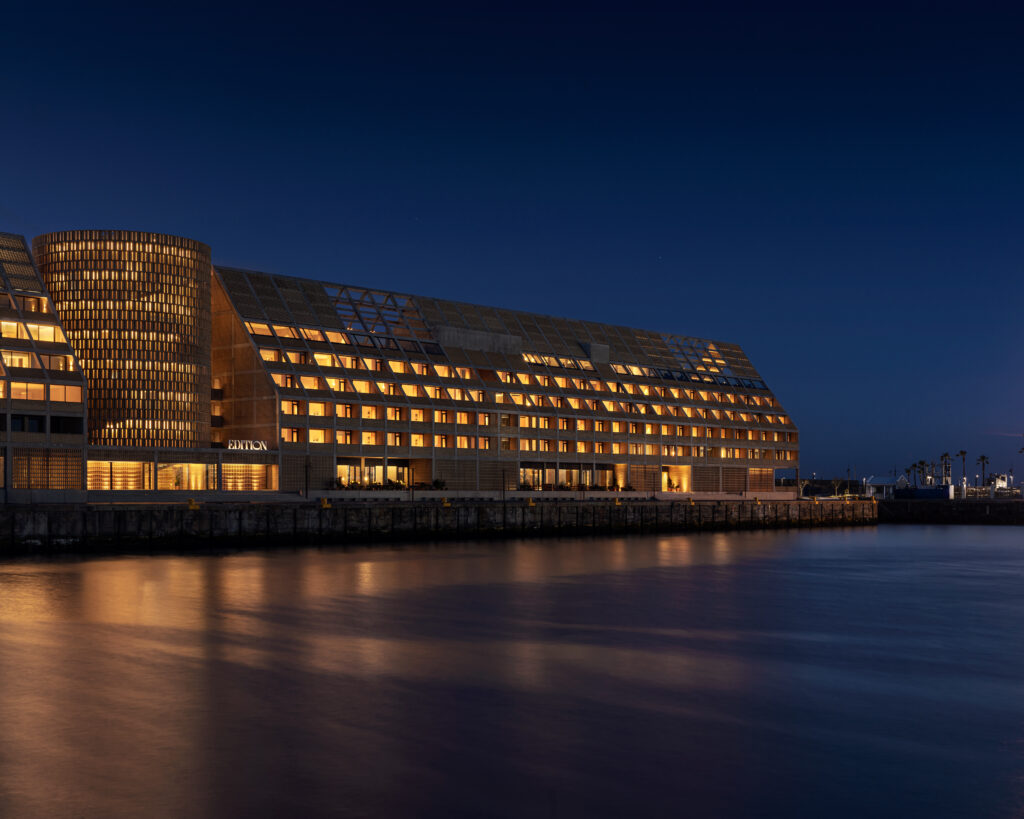
Marriott Opens R1.1bn Cape Town EDITION Hotel
Marriott Unveils R1.1bn Cape Town Hotel
CAPE TOWN, 28 October 2026 — Global hospitality giant Marriott International has officially opened The Cape Town EDITION, bringing its luxury lifestyle hotel brand to Africa for the first time in a development reportedly worth approximately R1.1 billion.
The landmark property, situated at Quay 7 in Cape Town’s V&A Waterfront, was launched on Tuesday, 27 October, adding 142 rooms and suites to the city’s high-end accommodation market.
The hotel forms part of a wider transformation of the Waterfront and the planned expansion of the Granger Bay precinct.
It features five dining and drinking venues, a rooftop swimming pool, luxury spa, fitness centre and conference facilities, with views of Table Mountain, the Atlantic Ocean and a newly developed superyacht marina.
The opening represents one of the most substantial investments in a single hotel property in South Africa since the hospitality development boom associated with the 2010 FIFA World Cup.
R1.1 Billion Investment Behind Luxury Hotel
According to Moneyweb, approximately R1.1 billion was invested in the development of The Cape Town EDITION.
The investment was made through the V&A Waterfront Company, jointly owned by JSE-listed Growthpoint Properties and the Government Employees Pension Fund through the Public Investment Corporation.
Marriott International operates the hotel under its EDITION brand.
This distinction is important because Marriott’s involvement is primarily through the hotel operating and branding arrangement, while the Waterfront’s owners financed the development.
The seven-storey building was constructed on an accelerated programme, with the project reportedly completed in approximately two years.
Based on the reported investment and 142 hotel rooms and suites, the development represents an investment of approximately R7.7 million per room.
That figure illustrates the substantial capital required to establish a luxury hotel of this scale.
Africa Welcomes Its First EDITION Hotel
The Cape Town property becomes the 24th hotel in EDITION’s international portfolio.
The brand operates in prominent global destinations including London, New York, Tokyo, Dubai and Rome.
EDITION focuses on combining luxury accommodation with distinctive architecture, restaurants, entertainment and cultural experiences.
The Cape Town opening marks the brand’s first entry into Africa.
George Fleck, Marriott’s senior vice-president and global brand leader for EDITION, said Cape Town’s cultural identity, landscapes and food scene made it a suitable destination for the brand.
The decision places Cape Town alongside established international hospitality markets competing for high-spending leisure and business travellers.
However, the commercial success of the hotel will ultimately depend on sustained demand, occupancy levels, operating costs and the wider tourism environment.
Inside The 142-Room Luxury Development
The hotel includes 142 guestrooms and suites designed around contemporary interiors and locally influenced materials.
Accommodation ranges from standard luxury rooms to larger premium suites.
Among its signature offerings are a 112-square-metre Harbour Suite and a 240-square-metre penthouse.
The interiors incorporate custom furniture, natural finishes and views of the surrounding harbour and mountains.
South African craftsmanship also features prominently.
Textiles produced by KwaZulu-Natal-based Shuttleworth Weaving are incorporated into the interiors, while selected artworks and decorative elements highlight African artists and makers.
The hotel is designed to attract international visitors while incorporating features associated with Cape Town’s creative and cultural industries.
Five Restaurants And Bars Introduced
Food and beverage experiences are a major component of the development.
The hotel’s dining programme is led by executive chef Phil Carmichael, working alongside South African beverage specialist George Hunter.
The venues include Shale, the hotel’s signature restaurant, which focuses on seasonal ingredients and produce sourced from the Cape region.
EAVE, the rooftop restaurant and bar, overlooks the waterfront and operates alongside a heated swimming pool.
Other venues include the Lobby Bar and Punch Room, which draws inspiration from historical punch-drinking traditions.
The rooftop Pool Terrace provides another setting for casual dining and refreshments.
These facilities are intended to attract both hotel guests and Cape Town residents.
The public-facing restaurants and bars could also support spending within the broader Waterfront precinct.
Rooftop Pool, Spa And Wellness Facilities
The Cape Town EDITION includes a wellness offering designed for guests seeking relaxation and fitness facilities.
Its spa is located below sea level and features five treatment rooms, a couples’ treatment suite, sauna and steam room.
Additional amenities include infrared therapy facilities and recovery equipment.
The hotel also operates a 24-hour gym and offers wellness activities such as yoga and guided movement sessions.
A heated rooftop swimming pool and sun deck provide views across the harbour.
The combination of accommodation, wellness and dining reflects a broader trend in luxury hospitality towards offering multiple experiences within a single property.
Architects Incorporate Cape Town’s Harbour History
The hotel was designed by Shanghai-based architectural practice Neri&Hu in collaboration with Cape Town-based architects and professional teams.
Its design draws inspiration from the industrial character of the historic working harbour.
The building features pitched rooflines and an extensive brick façade intended to reference the warehouse structures previously associated with the site.
According to Marriott, more than six million bricks were laid by hand as part of the architectural design.
A central feature is a cylindrical open-air structure known as The Drum.
Visitors can ascend a spiral staircase to an outdoor viewing platform offering views of the harbour and surrounding landscape.
The architecture is intended to connect the new hotel with the Waterfront’s maritime heritage rather than create a completely separate resort environment.
The building’s distinctive exterior has also attracted public debate, with some residents questioning its architectural appearance during construction.
Part Of A Much Bigger Waterfront Development
The Cape Town EDITION is situated within the Quay 7 precinct, which forms part of the wider Granger Bay development plans.
The V&A Waterfront has outlined investment ambitions exceeding R20 billion for the broader Granger Bay expansion over the coming years.
The programme is expected to introduce new hospitality, commercial, residential and public spaces.
The Waterfront is also developing facilities intended to attract larger luxury yachts.
Earlier in 2026, a R230 million investment in the Quay 7 Superyacht Marina was announced.
The marina is designed to support Cape Town’s marine services and high-end tourism sectors.
The EDITION hotel overlooks this new facility, linking luxury accommodation with the city’s growing marine tourism offering.
These investments are separate projects and should not be treated as part of the hotel’s reported R1.1 billion construction cost.
Could The Development Create Jobs?
Large hotel developments can create employment opportunities during construction and subsequent operations.
Potential roles include hospitality management, housekeeping, food preparation, restaurant service, maintenance, security and administration.
Hotels also purchase goods and services from external suppliers.
These can include food producers, laundry services, transport companies, maintenance contractors and event businesses.
The Cape Town EDITION’s focus on local craftsmanship and regional food sourcing creates opportunities for South African suppliers.
However, Marriott has not provided a verified total of permanent jobs created by the opening in the sources reviewed for this report.
It would therefore be premature to attach a specific employment figure to the development.
The scale of its economic contribution will depend on staffing, procurement, occupancy and ongoing expenditure.
Tourism Investment Continues In South Africa
The opening comes during a period of significant hospitality investment in South Africa.
Cape Town has continued attracting international tourism brands, particularly in the luxury and lifestyle accommodation segments.
South Africa’s tourism industry has also benefited from recovering international travel demand.
Recent tourism statistics indicate that international arrivals have increased compared with the previous year.
This supports the commercial case for investment in accommodation, restaurants and tourism infrastructure.
Nevertheless, rising operating expenses, international travel costs and competition between destinations remain important considerations for hotel investors.
Luxury tourism is only one part of South Africa’s broader tourism economy, which also depends on domestic travel and more affordable accommodation options.
How Cape Town Compares With Other Luxury Destinations
Cape Town competes with established international destinations for travellers seeking premium accommodation, dining and cultural experiences.
Its natural landscape, wine regions, beaches and established tourism infrastructure provide a distinctive offering.
The arrival of EDITION expands the range of international hotel brands operating in the city.
It also adds to existing luxury properties at the V&A Waterfront and surrounding areas.
However, additional hotel capacity can increase competition among operators.
To succeed, properties must distinguish themselves through service quality, location, pricing and guest experience.
The EDITION brand’s global recognition may assist with attracting international guests, particularly through Marriott’s distribution and loyalty networks.
Hotel Includes Conference And Event Facilities
Beyond leisure tourism, the hotel is also targeting business events and private functions.
Its facilities include a flexible ballroom capable of accommodating up to 200 people.
The property also provides a boardroom, meeting studios and private event spaces.
These facilities allow the hotel to host corporate meetings, celebrations and smaller conferences.
Business events can help hotels attract guests outside traditional holiday periods.
They also generate additional spending on catering, transport and related services.
For Cape Town, this adds another venue to its established meetings and events market.
A New Chapter For The V&A Waterfront
V&A Waterfront chief executive Graham Wood described the hotel’s opening as an important development in the precinct’s expansion.
He linked the investment to Cape Town’s position as an international tourism and investment destination.
The hotel also supports the Waterfront’s broader strategy of introducing new uses to its historic harbour environment.
While the development targets the luxury market, its restaurants, public spaces and architectural features are intended to connect with the surrounding neighbourhood.
Its long-term contribution will be measured not only through visitor numbers but also through the value generated for local businesses and the wider tourism economy.
What The Opening Means For South Africa
The launch of The Cape Town EDITION highlights continued investment in South Africa’s high-end hospitality sector.
The reported R1.1 billion development brings an established international hotel brand to the African continent for the first time.
It also forms part of a much larger transformation of Cape Town’s Waterfront.
The project illustrates how tourism, property development and hospitality investment can intersect.
For investors, the opening reflects confidence in demand for premium accommodation and experiences in Cape Town.
For the city, it adds hotel capacity and new dining, event and leisure facilities.
The challenge now will be converting the substantial investment into sustainable commercial performance and measurable benefits for the surrounding economy.