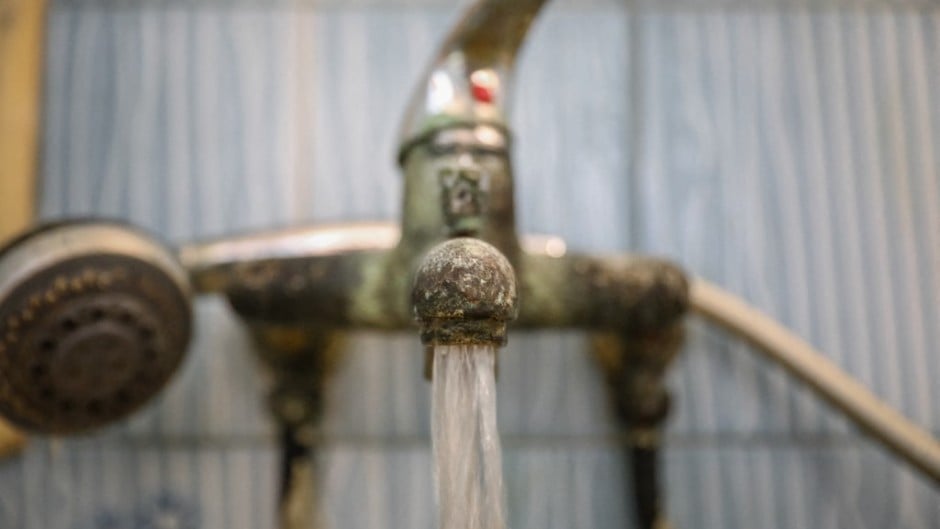
Bronkhorstspruit Reservoir Cleaning Nears Completion
Bronkhorstspruit Water Recovery Nears Milestone
BRONKHORSTSPRUIT, GAUTENG — 28 October 2026 — The City of Tshwane has reported significant progress in cleaning and rehabilitating the Bronkhorstspruit Water Treatment Works, as authorities intensify efforts to restore safe drinking water following a contamination crisis that has affected hundreds of residents.
Preparations for the filtration process are now 90% complete, while cleaning of the plant’s largest reservoir has been completed.
The remaining reservoir cleaning work was expected to be finalised on Wednesday, according to an update provided following a meeting of the municipality’s Water Management Committee.
Tshwane Executive Mayor Dr Nasiphi Moya has been overseeing the emergency response alongside technical teams, Rand Water and national government departments.
Despite the progress, residents have been urged not to assume that the water is safe.
The municipality’s unsafe-water advisory remains in effect until independent testing confirms that the affected supply meets drinking-water standards.
Reservoir Cleaning Reaches Final Stages
The latest progress report marks an important development in the municipality’s attempts to restore the Bronkhorstspruit water system.
Cleaning the reservoirs is part of a wider programme involving the treatment plant, water storage infrastructure and the distribution network supplying surrounding communities.
The work is intended to remove accumulated sludge, contamination and other material that could compromise water quality.
According to the City of Tshwane, rehabilitation activities also include repairing or replacing pumps, motors and other essential treatment equipment.
Rand Water has been appointed as the implementing agent to accelerate the programme.
Its multidisciplinary team includes specialists in water treatment, maintenance, engineering and water-quality monitoring.
The municipality has emphasised that completing physical cleaning is only one stage of restoring the water supply.
Further disinfection, flushing and testing will be required before residents can safely resume normal use of tap water.
How The Water Contamination Crisis Developed
The emergency emerged after a sharp increase in gastrointestinal illnesses among residents supplied by the Bronkhorstspruit Water Treatment Works.
Patients reported symptoms including diarrhoea and stomach cramps.
A joint government investigation found serious contamination in water supplied through the system.
Laboratory testing conducted on 14 October detected extremely high levels of E. coli and total coliform bacteria in water from the treatment works and certain reservoirs.
The investigation also found that the treatment plant had experienced an interruption in its chlorine supply.
According to the Department of Water and Sanitation, water leaving the plant was not chlorinated between 24 September and 14 October 2026.
Chlorine is an essential component of the water-treatment process because it helps destroy disease-causing microorganisms.
The interruption significantly increased the risks associated with water already exposed to sewage pollution.
Hundreds Of Residents Reported Ill
The public-health consequences have been serious.
In a joint government statement covering the period from 7 to 18 October, authorities reported 408 cases of gastrointestinal illness.
Most of those patients were children younger than four years old.
At the time of that report, no deaths had been recorded.
Subsequent media reporting indicated that the number of affected residents had risen to more than 800 by 26 October.
Authorities have continued monitoring the situation, with health teams conducting surveillance, collecting samples and advising affected communities.
Residents experiencing diarrhoea, vomiting, abdominal pain or signs of dehydration have been encouraged to seek medical assistance promptly.
Young children, older people and individuals with underlying medical conditions may be particularly vulnerable to complications from gastrointestinal infections.
Sewage Pollution And Treatment Failures Identified
Investigations have highlighted a combination of upstream pollution and operational failures at the treatment plant.
The Bronkhorstspruit Water Treatment Works draws raw water from the Bronkhorstspruit River.
Government investigators found that the river was heavily affected by sewage pollution associated with dysfunctional wastewater infrastructure, including facilities outside Tshwane’s municipal boundaries.
This placed additional pressure on the treatment plant.
The interruption of chlorine supplies further weakened the system’s ability to protect consumers.
Investigators also identified problems involving pumps, filters and other mechanical equipment.
These findings suggest that restoring reliable drinking water will require more than simply cleaning reservoirs.
Authorities must address treatment reliability, equipment maintenance, chemical supplies and the quality of raw water entering the plant.
Rand Water Leads Rehabilitation Programme
Rand Water’s appointment is intended to strengthen the municipality’s technical capacity and accelerate urgent repairs.
The recovery programme includes removing accumulated sludge from treatment infrastructure and restoring the operation of critical pumping equipment.
Other planned interventions include installing raw-water pumps, commissioning a high-lift pump, repairing sludge-handling systems and recommissioning sections of the treatment plant.
Several equipment interventions were targeted for completion by 30 October.
However, officials have stressed that these construction and maintenance targets should not be confused with a confirmed date for safe drinking-water restoration.
Water-quality testing must demonstrate compliance before restrictions can be lifted.
No Confirmed Date For Safe Tap Water
Although substantial progress has been reported, the municipality has not confirmed when affected households will be able to drink tap water again.
Mayor Moya previously explained that the priority was to restore water that is safe, rather than rush the process to meet a particular deadline.
Rand Water had identified 30 October as a target for certain rehabilitation activities.
But the wider system still requires cleaning, flushing and monitoring.
The City of Tshwane has said the restrictions will remain in place until laboratory results confirm that the water complies with applicable safety standards.
Residents should therefore continue relying on authorised alternative drinking-water supplies.
Water Tanker Distribution Under Scrutiny
While rehabilitation continues, the municipality has been supplying drinking water through tankers.
However, residents in several affected communities have complained about inconsistent deliveries, long queues and difficulties accessing water.
The City of Tshwane has acknowledged these concerns.
Following a Water Management Committee meeting on 26 October, Moya announced changes to the distribution arrangements, particularly in Ekangala.
Nine water tankers were scheduled to serve Ekangala from 27 October.
The municipality also announced plans for a central coordination point to improve route management and the reliability of deliveries.
Officials have said the objective is to ensure that affected households receive a more consistent supply of safe water while the treatment system remains under rehabilitation.
Private Water Tankers Face Stricter Controls
The municipality has also strengthened oversight of independent water tanker operators.
Private operators wishing to supply affected communities must undergo verification and obtain authorisation from the City.
Environmental Health Practitioners are responsible for water-quality testing, while the Tshwane Metro Police Department is expected to conduct compliance checks.
The measures follow concerns about the safety and origin of water distributed by some independent operators.
Tshwane has also temporarily suspended tanker-filling operations at the Cullinan hydrant because of water-quality concerns.
Residents are encouraged to obtain water only from verified, authorised sources.
The restrictions are intended to prevent further illness while the emergency response continues.
Mayor Orders Independent Investigation
The water crisis has also raised questions about accountability.
Moya has acknowledged shortcomings in the municipality’s implementation of earlier rehabilitation commitments.
She specifically identified the interruption of chlorine supplies as an unacceptable operational failure.
The plant manager has been suspended pending further investigation.
An independent external investigation has also been commissioned.
The inquiry will examine procurement, operations, maintenance, management decisions, communication with residents and compliance with regulatory requirements.
It will also consider whether officials responded appropriately to known risks and previous warnings about water quality.
The investigation is expected to establish where responsibility lies and whether disciplinary or other action is warranted.
The suspension does not, by itself, establish that the plant manager committed misconduct.
Longstanding Infrastructure Problems
The contamination crisis has exposed deeper weaknesses in Bronkhorstspruit’s water infrastructure.
According to the municipality, the treatment works has experienced years of deterioration, inadequate maintenance and underinvestment.
The Department of Water and Sanitation’s 2023 Blue Drop assessment recorded a score of 42.3% for the Bronkhorstspruit Town Water Treatment Works, compared with 96.8% in 2014.
The decline reflected longstanding concerns about the system’s performance.
In February 2026, the plant was producing approximately 28 megalitres of water per day, against a design capacity of 54 megalitres.
Tshwane has outlined increased investment in the plant, including a capital allocation of R57 million in the current financial year and a further R30 million planned for 2027/28.
The municipality has said that the rehabilitation programme must address both immediate failures and longer-term operational reliability.
What Residents Must Do While Restrictions Remain
The current water advisory remains particularly important for families living in areas supplied by the affected treatment works.
Government has instructed residents not to use affected tap water for drinking, preparing food, brushing teeth, bathing or washing clothes.
The water should be used only for flushing toilets until the authorities issue an updated notice.
Residents should use authorised drinking-water tankers and store water in clean, covered containers.
Previously stored contaminated water should be discarded, and containers should be properly disinfected.
Residents should also monitor official municipal announcements rather than relying on unverified social media claims about the water being safe.
What Happens Next?
The immediate focus is on completing the outstanding cleaning work, restoring treatment equipment and testing the affected water network.
Rand Water and municipal technical teams are expected to continue the rehabilitation programme while independent water-quality monitoring proceeds.
Authorities must also ensure that emergency water deliveries remain safe and accessible.
Further updates are expected from the City of Tshwane as technical work progresses.
The completion of reservoir cleaning is an important milestone, but it does not mean the contamination emergency is over.
Safe drinking water will only be restored once the treatment works and distribution system meet the required standards.
For residents of Bronkhorstspruit and surrounding communities, the priority remains reliable access to safe water and accountability for the failures that contributed to the crisis.