ANC Rejects Church Regulation | CRL Commission
ANC Rejects Church Regulation
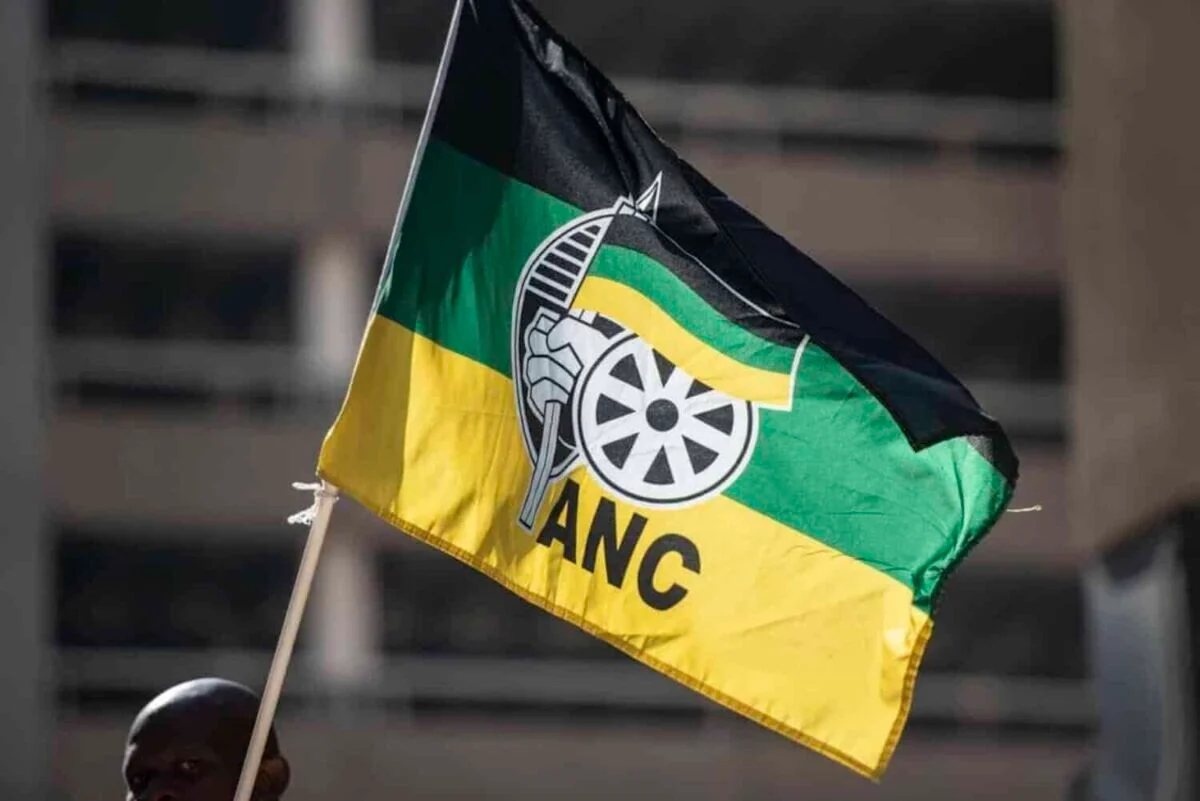
JOHANNESBURG, 14 October 2026 — The African National Congress (ANC) has publicly distanced itself from proposals perceived as introducing government control over churches in South Africa, insisting that religious institutions must remain free to manage their own affairs within the country’s constitutional framework.
The party’s position follows growing concerns among religious organisations about a proposed framework being developed through the Commission for the Promotion and Protection of the Rights of Cultural, Religious and Linguistic Communities (CRL Rights Commission).
In a statement issued on Tuesday, 13 October 2026, the ANC reaffirmed its commitment to religious freedom and church self-regulation.
The announcement comes as the South African Church Defenders (SACD) prepares to protest against what it believes could become government interference in religious affairs.
ANC Rejects Government Control Of Churches
ANC spokesperson Mahlengi Bhengu said the party had not endorsed proposals for state control of churches.
The ANC maintains that churches and other religious institutions should retain the freedom to govern themselves, provided they operate within the Constitution and applicable laws.
The party stressed that freedom of religion, belief and association forms an essential part of South Africa’s constitutional democracy.
Its statement also emphasised the importance of protecting religious minorities and ensuring that religious organisations respect the dignity and rights of their members.
The ANC’s position distinguishes between protecting people against unlawful conduct and allowing government to determine how religious institutions conduct their internal affairs.
CRL Commission Church Regulation Debate Explained
The CRL Rights Commission is a constitutional institution responsible for promoting and protecting the rights of cultural, religious and linguistic communities.
The commission has been examining concerns about exploitation, harmful religious practices and the commercialisation of religion.
Its Section 22 Ad Hoc Committee for the Christian Sector has been consulting on a proposed self-regulatory framework intended to improve accountability within religious organisations.
The framework addresses issues including ethical leadership, transparency, responsible governance and protection against abuse.
However, critics have questioned whether the proposals could eventually lead to state involvement in religious governance.
The commission and the Section 22 committee have maintained that their work is intended to promote voluntary self-regulation rather than direct government control.
Churches Raise Concerns Over Religious Freedom
The South African Church Defenders has expressed opposition to proposals it believes could restrict the independence of churches.
The organisation is concerned about the possibility of religious institutions being subjected to external registration, licensing or oversight requirements.
Supporters of church autonomy argue that religious organisations should be allowed to determine their own doctrines, leadership structures and internal governance arrangements.
They also warn that poorly designed regulation could affect smaller and independent churches disproportionately.
The SACD’s planned protest has brought renewed attention to the debate over how religious freedom should be protected while preventing exploitation.
The ANC has acknowledged these concerns and called for engagement between religious organisations and relevant institutions.
ANC Highlights Historic Relationship With Churches
In explaining its position, the ANC referred to the longstanding relationship between the liberation movement and religious communities.
Churches and faith-based organisations played important roles in South Africa’s struggle against apartheid, including providing community support and participating in campaigns for human rights.
The ANC said this relationship remains significant in its engagement with religious leaders.
The party maintains a chaplaincy structure that facilitates relationships with churches and faith-based organisations.
According to the ANC, its national officials have previously met with SACD representatives to discuss issues affecting religious communities.
The party says it remains committed to constructive dialogue with churches and other religious institutions.
What Does South Africa’s Constitution Say?
South Africa’s Constitution protects freedom of religion, belief and opinion under Section 15.
Section 31 also protects the rights of people belonging to religious, cultural and linguistic communities to practise their beliefs and maintain associations with others.
These protections form an important part of the debate over the proposed framework.
However, religious freedom does not exempt individuals or organisations from generally applicable laws.
Religious institutions remain subject to legal obligations relating to criminal conduct, employment, taxation and the protection of fundamental rights.
The central debate concerns how to address harmful practices without unnecessarily restricting legitimate religious activities.
CRL Commission Defends Self-Regulation Approach
The CRL Rights Commission has previously rejected suggestions that its objective is to place religious organisations under direct state control.
In its explanation of the Section 22 committee’s work, the commission said the initiative seeks to protect vulnerable congregants and improve ethical standards.
The committee describes its draft framework as a voluntary initiative developed for the Christian sector.
Its stated objectives include improving transparency, encouraging responsible leadership and protecting congregation members from exploitation.
Nevertheless, religious freedom organisations remain concerned about the potential implications of future regulatory proposals.
The disagreement highlights the importance of distinguishing between the commission’s stated objectives, the contents of its draft framework and concerns about possible future legislation.
Church Regulation Debate Continues
The dispute has developed over several months.
In January 2026, Reverend Musa Xulu resigned as chairperson of the Section 22 committee following disagreements about its direction.
Xulu expressed concern about proposals that could introduce state control of religious institutions.
The resignation drew attention to differing interpretations of the committee’s mandate.
The debate has continued as the commission consults religious stakeholders on its proposed framework.
What Happens Next?
The ANC has indicated that it is willing to continue discussions with the South African Church Defenders and the broader religious community.
The Section 22 committee’s consultation process is also continuing.
The outcome will depend on how stakeholders respond to the draft framework and whether any future recommendations lead to legislative proposals.
At present, the consultation framework should not be confused with an enacted law requiring churches to obtain government permission to operate.
For South African religious communities, the key questions remain how to preserve constitutional freedoms, protect vulnerable congregants and ensure accountability without unjustified interference in religious affairs.
Ubuntu9Media will continue following developments involving the ANC, the CRL Rights Commission and South Africa’s religious freedom debate.