Woman’s R70,000 Omoda C5 Nightmare
‘My Omoda Almost Killed Me’: Woman’s R70,000 Car Nightmare Sparks Safety Concerns
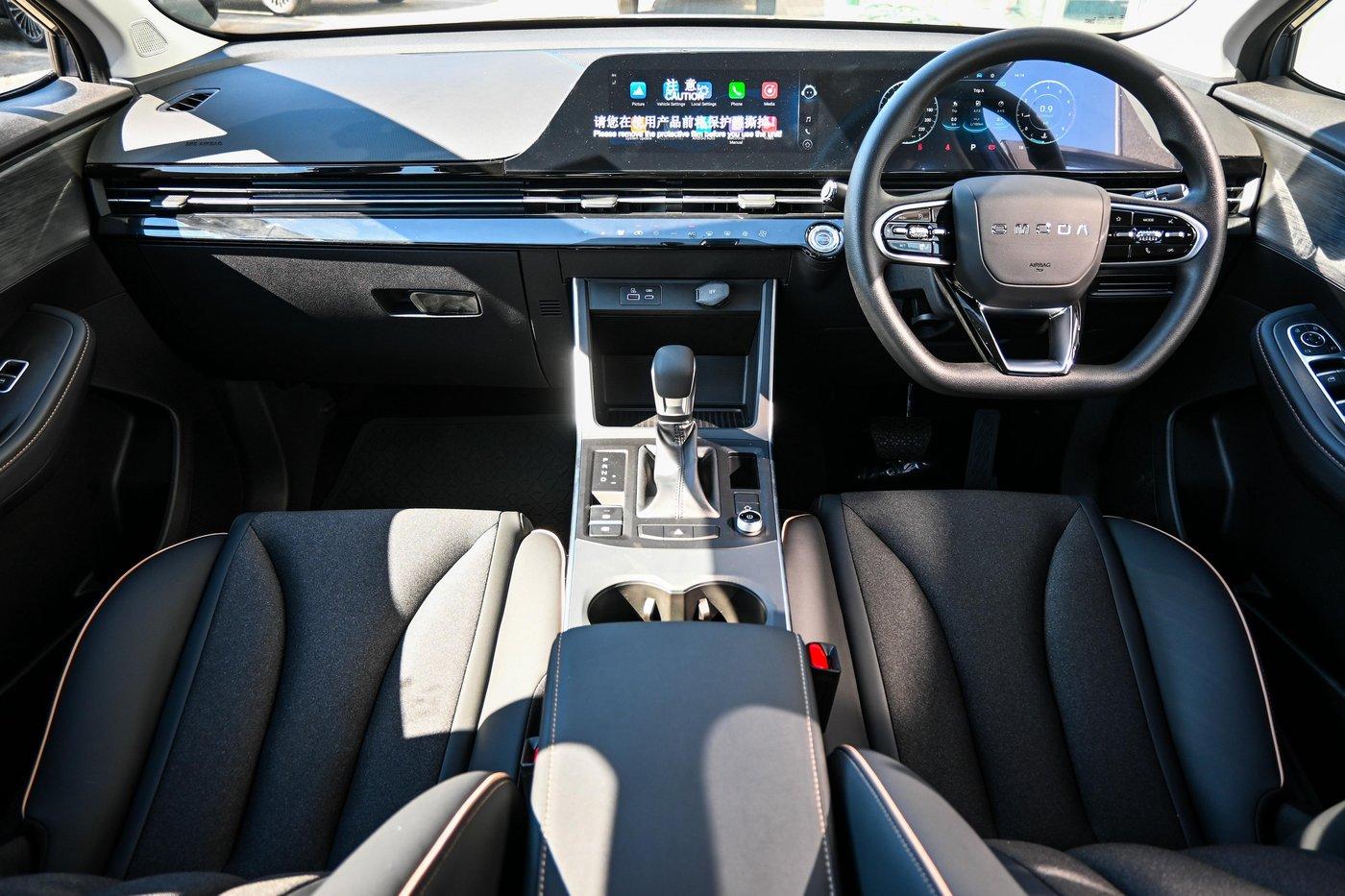
A young South African motorist has spoken out about a frightening experience involving her Omoda C5, claiming the vehicle unexpectedly shifted into neutral while she was driving and left her fearing for her life.
Renata Soobramoney, 22, says what began as the excitement of purchasing her first car has turned into a six-month dispute involving vehicle safety, a dealership and an alleged R70,000 mileage charge.
Her experience has attracted attention on social media, particularly as Chinese automotive manufacturer Chery, which owns the Omoda brand, faces scrutiny over a separate nationwide vehicle recall.
According to a report published by IOL on Tuesday, 17 November 2026, Soobramoney purchased the vehicle when she was 21.
She says the incident occurred on 25 July 2026 while travelling along Umgeni Road in Durban.
Omoda C5 Allegedly Shifted Into Neutral While Driving
Soobramoney claims that her vehicle unexpectedly stopped and shifted into neutral while she was driving in traffic.
She described the experience as frightening because other motorists were travelling both ahead of and behind her.
In a social media post, she explained that she attempted to engage park several times before deciding to record what was happening.
She said she feared that the unexpected behaviour could cause an accident involving her vehicle and other road users.
The incident has not been independently verified through a publicly available mechanical or forensic assessment.
It is therefore not yet possible to establish whether the reported behaviour resulted from a manufacturing defect, an electronic malfunction or another cause.
Nevertheless, the allegations raise questions about how vehicle safety complaints are investigated and resolved.
Six Months of Frustration
According to Soobramoney, her difficulties did not end after the incident.
She claims she spent approximately six months attempting to resolve the matter with the dealership.
During that period, she says she attended dealership appointments, sought assistance and documented her experience.
The dealership reportedly provided her with a courtesy vehicle while the dispute continued.
However, Soobramoney says the financial implications of returning her original vehicle became another major source of concern.
She claims the dealership demanded R70,000 to account for mileage accumulated during her ownership.
Why Is the Dealership Allegedly Demanding R70,000?
Soobramoney acknowledged that she had travelled approximately 10,000 kilometres during the six months she owned the vehicle.
According to her account, the dealership wanted her to pay R70,000 before accepting the vehicle’s return.
The reported amount is equivalent to approximately R7 for every kilometre driven.
However, this calculation does not establish that the charge is legally justified or that the dealership’s assessment was correct.
The precise contractual basis for the proposed charge has not been independently established.
The distinction matters because a mileage adjustment under a negotiated vehicle return may differ from the remedies available under South Africa’s Consumer Protection Act.
Consumers should not assume that every dealership is entitled to impose a fixed mileage penalty when a vehicle is returned because of an alleged defect.
Bank Reportedly Prepared to Reverse Finance Agreement
Soobramoney claims that the bank financing her vehicle was prepared to cancel the agreement.
According to her account, the proposed arrangement would also involve refunding instalments and insurance premiums already paid.
However, she says the dealership would not proceed without payment of the disputed mileage amount.
The full terms of the reported financing arrangement have not been independently confirmed.
It is also unclear whether the bank’s proposed resolution was conditional on further documentation or agreement between the parties.
For Soobramoney, the situation has created financial uncertainty at a time when she had expected to enjoy the independence of owning her first vehicle.
Omoda South Africa Responds
OMODA & JAECOO South Africa has acknowledged the concerns raised by Soobramoney.
In comments provided to IOL, the company confirmed that it was aware of her social media video and had made contact to offer assistance.
The company said its head-office customer service team had recently received correspondence relating to the dispute.
It also indicated that the vehicle appeared to have been purchased from a dealership outside its authorised dealer network.
According to the company, the matter had not previously been brought to the attention of its head-office customer service team.
OMODA & JAECOO South Africa said it was seeking further information to determine how it could assist.
The company’s response does not establish that the dealership acted unlawfully or that the reported vehicle malfunction was caused by a manufacturing defect.
Omoda C5 Among 23,667 Vehicles Recalled in South Africa
The complaint has emerged shortly after the National Consumer Commission announced a major vehicle recall involving Chery and Omoda models.
On 10 November 2026, the commission confirmed that 23,667 vehicles were affected by safety-related recalls.
The affected models include:
- Chery Tiggo 4: 17,508 vehicles.
- Omoda C5: 2,685 vehicles.
- Chery Tiggo 8 Pro Max 2.0: 3,474 vehicles.
The Omoda C5 recall concerns a potential manufacturing defect involving welding at the rear axle sleeve.
According to the commission, the defect could cause the rear axle to dislodge, potentially resulting in rear suspension collapse.
Affected Omoda C5 vehicles were made available for sale in South Africa between February 2023 and July 2026.
The recall does not establish that every vehicle sold during that period is defective.
Owners must check their vehicle identification numbers to determine whether their particular vehicles are included.
Is Soobramoney’s Vehicle Part of the Recall?
It has not been confirmed whether Soobramoney’s specific Omoda C5 is included in the recall.
Importantly, the malfunction she described is different from the rear axle welding issue identified by the National Consumer Commission.
Her allegation concerns the vehicle unexpectedly shifting into neutral.
The official recall concerns a potential structural defect affecting the rear axle and suspension.
There is currently no verified evidence connecting the two issues.
The fact that both involve the same vehicle model does not mean they have the same underlying cause.
A technical inspection would be necessary to determine what happened to Soobramoney’s vehicle.
Chery Also Faces Investigation Over Recall Reporting
The National Consumer Commission has confirmed that it launched a separate investigation into Chery in October 2026.
The investigation concerns allegations that the manufacturer previously conducted certain vehicle recalls without notifying the commission.
Acting National Consumer Commissioner Hardin Ratshisusu has reminded suppliers of their legal obligations to report product recalls promptly.
The investigation remains ongoing.
No final regulatory finding has been announced in relation to those allegations.
Chery has described its latest recall campaign as precautionary and has indicated that replacement parts are available in South Africa.
The company says necessary repairs for affected vehicles will be carried out free of charge.
What Does South African Consumer Law Say?
South Africa’s Consumer Protection Act provides important protections to consumers who purchase defective goods, including vehicles.
Under Section 55, consumers generally have the right to goods that are reasonably suitable for their intended purpose, of good quality and in good working order.
Section 56 provides an implied warranty of quality.
Within six months of delivery, a consumer may be entitled to return goods that fail to satisfy the relevant statutory requirements and request a repair, replacement or refund, subject to the Act’s conditions.
However, the application of these rights depends on the circumstances, including the nature of the defect, the timing of the complaint and the transaction.
A vehicle finance agreement may also create separate contractual obligations.
Consumers facing disputes should preserve documents and seek advice from an appropriate consumer protection body or qualified legal professional.
What Should Omoda and Chery Owners Do?
Motorists who own affected vehicles should check their vehicle identification numbers through the manufacturer’s official recall system.
The National Consumer Commission has advised owners to arrange inspections at authorised dealerships.
Where repairs are required under the recall, the work should be completed at no cost to the consumer.
If a vehicle is unsafe to drive, owners should contact the manufacturer or an authorised dealership to arrange towing rather than continuing to use it.
Motorists experiencing unexpected transmission behaviour, braking problems or other potentially dangerous faults should stop in a safe location and arrange professional assistance.
They should also document the incident and notify the dealership or manufacturer.
How to Report a Vehicle Safety Complaint
Consumers who believe their vehicles are defective can take several practical steps.
First, they should report the problem to the dealership in writing and retain copies of all correspondence.
Second, they should request a written technical assessment explaining what was inspected and what was found.
Third, they should preserve relevant evidence, including photographs, videos, invoices and repair records.
If the dispute cannot be resolved, consumers may approach the Motor Industry Ombudsman of South Africa or the National Consumer Commission, depending on the nature of the complaint.
A formal complaint should clearly distinguish between a suspected safety defect, a contractual disagreement and any alleged unfair commercial practice.
Conclusion
Renata Soobramoney’s experience highlights the difficulties motorists can face when serious vehicle safety concerns become entangled with financial disputes.
The 22-year-old claims her Omoda C5 unexpectedly shifted into neutral while she was driving, leaving her fearing for her safety.
She also alleges that the dealership demanded R70,000 before agreeing to take back the vehicle.
OMODA & JAECOO South Africa has acknowledged the complaint and says it is seeking further information to assist.
The matter comes as the manufacturer responds to a separate nationwide safety recall affecting thousands of vehicles.
However, the cause of Soobramoney’s reported malfunction remains unverified, and there is no confirmed link between her experience and the official rear axle recall.
For South African motorists, the case underlines the importance of vehicle safety, clear consumer protection procedures and timely responses to complaints.