ANC Nears Gauteng Coalition Deal With ActionSA
ANC on Verge of Gauteng Coalition Deal With ActionSA as DA Faces Uncertain Future in Three Metros
The African National Congress (ANC) and ActionSA are edging closer to a possible coalition agreement that could determine who governs Gauteng’s three major metropolitan municipalities following the 2026 local government elections.
ActionSA leader Herman Mashaba has confirmed that discussions with the ANC are progressing, raising the possibility of a new political arrangement in Johannesburg, Tshwane and Ekurhuleni.
The negotiations follow the 4 November elections, which produced hung councils in all three metros.
Although the Democratic Alliance (DA) emerged as the leading party in each municipality, it failed to secure enough support to govern independently.
This has left smaller political parties, particularly ActionSA, in an influential position as negotiations intensify ahead of the first council meetings.
However, no final agreement between the ANC and ActionSA has been formally announced.
ANC and ActionSA Make Progress in Coalition Negotiations
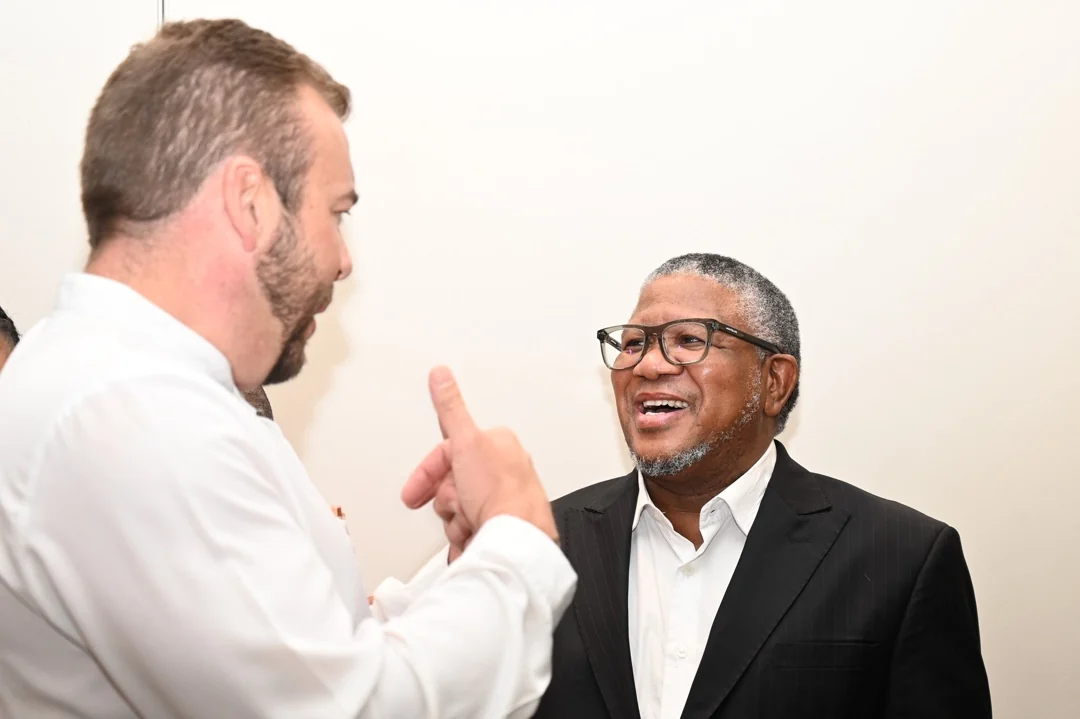
ActionSA national chairperson Michael Beaumont has confirmed that the party has held discussions with an ANC delegation.
Beaumont indicated that the engagements were constructive and focused on finding workable arrangements for municipalities struggling with political instability and service delivery challenges.
He said the parties were making progress towards multi-party solutions aimed at addressing these problems.
Mashaba has also expressed confidence that an agreement with the ANC could be reached.
The discussions represent a significant political development because ActionSA has historically positioned itself as an alternative to the ANC.
Mashaba, a former Johannesburg mayor, has frequently criticised the ANC’s governance record.
Nevertheless, ActionSA has maintained that it is entitled to negotiate with different political parties to establish municipal governments.
The party has rejected suggestions that engaging the ANC necessarily amounts to abandoning its political principles.
DA Could Lose Control Despite Winning the Most Votes
The Democratic Alliance received the largest share of votes in Johannesburg, Tshwane and Ekurhuleni during the 2026 local government elections.
However, winning the most votes does not automatically guarantee control of a municipality.
Under South Africa’s municipal system, parties must secure sufficient support in council to elect a speaker, mayor and other office-bearers.
Where no party has an outright majority, coalition agreements or other voting arrangements become necessary.
The DA therefore faces the possibility that other parties could form governing majorities without its participation.
This has become one of the central questions in Gauteng’s post-election negotiations.
The outcome could influence the leadership of the province’s largest economic centres and determine how municipal services are managed over the next five years.
Herman Mashaba Sets Conditions for Working With the DA
Despite progress in talks with the ANC, Mashaba has not completely ruled out an agreement with the DA.
He previously proposed an arrangement under which the DA would govern Johannesburg and Ekurhuleni, while ActionSA would retain control of Tshwane.
Under that proposal, ActionSA’s Nasiphi Moya would continue as Tshwane mayor.
However, Mashaba attached significant conditions to the arrangement.
He insisted that Helen Zille should not become Johannesburg mayor and that Cilliers Brink should not be the DA’s mayoral candidate in Tshwane.
Mashaba has accused both politicians of conduct and attitudes he considers unacceptable.
These are Mashaba’s political allegations and should not be presented as independently established findings.
The DA has not agreed to remove the two candidates as a condition of working with ActionSA.
This disagreement has become a major obstacle to a possible DA–ActionSA coalition.
Helen Zille and Cilliers Brink Remain Central to the Dispute
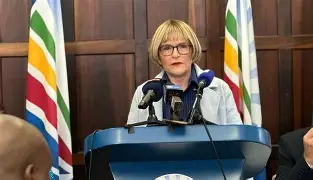
Helen Zille and Cilliers Brink have become central figures in the negotiations despite not being directly responsible for all coalition discussions.
Zille is the DA’s Johannesburg mayoral candidate, while Brink is associated with the party’s campaign to regain leadership in Tshwane.
When asked whether she would withdraw to facilitate a coalition, Zille referred questions to the DA’s national leadership.
Brink also did not provide a direct public commitment to withdraw.
The disagreement reflects broader tensions between ActionSA and the DA.
Mashaba previously served as Johannesburg mayor while associated with the DA but later left the party and established ActionSA.
Relations between the two parties have remained strained, particularly over coalition management and political leadership.
The current negotiations are therefore shaped by both practical questions about governing municipalities and longstanding disagreements between party leaders.
Could Herman Mashaba Become Johannesburg Mayor?
The possibility of Mashaba returning as Johannesburg mayor has become a prominent subject in coalition discussions.
According to reporting by IOL, some smaller parties have expressed support for Mashaba’s candidacy.
Their support is reportedly based partly on his previous experience leading the city.
Mashaba served as Johannesburg mayor from 2016 until 2019.
However, support from smaller parties does not automatically mean he will be elected.
A mayoral candidate must obtain sufficient votes from councillors during the formal election process.
Any agreement involving Mashaba would therefore need to secure support from enough parties to command a majority or otherwise prevail in the council vote.
At present, his possible return remains an outcome under discussion rather than a confirmed appointment.
Proposed Arrangement for Gauteng’s Three Metros
One possible coalition arrangement being discussed publicly would distribute leadership responsibilities across the three municipalities.
Under a scenario described by Patriotic Alliance leader Gayton McKenzie, the ANC could lead Ekurhuleni, Mashaba could become Johannesburg mayor, and ActionSA could retain Tshwane under Nasiphi Moya.
McKenzie has argued that such an arrangement could exclude the DA from governing the major metros.
However, this is a political scenario advanced by McKenzie, not a confirmed agreement between the negotiating parties.
Other arrangements remain possible.
These could include a formal coalition between the ANC and DA, an ANC–ActionSA-led multi-party arrangement, or agreements involving additional political formations.
The final outcome will depend on negotiations and the votes available in each municipal council.
EFF and MK Party Could Influence Coalition Talks
The Economic Freedom Fighters (EFF) and the uMkhonto weSizwe Party (MK Party) are also important participants in the wider coalition landscape.
ActionSA has already held discussions with the EFF.
Both parties described their initial engagement as constructive.
The ANC has also considered different coalition options as it attempts to retain influence in municipalities where it did not win the most votes.
Some political figures have proposed arrangements involving the ANC, ActionSA, EFF and MK Party.
However, cooperation between these organisations cannot be assumed simply because discussions have taken place.
The parties have different policies, leadership priorities and political histories.
Negotiators would need to agree on issues including mayoral positions, municipal budgets, service delivery priorities and mechanisms for resolving disputes.
ANC Faces Difficult Decisions After Election Losses
The ANC’s coalition negotiations come after a difficult local government election.
The party secured just over 30% of the national vote, according to Associated Press reporting, marking its weakest local government election performance.
The results have increased pressure on the ANC leadership to determine how the party should approach coalition agreements.
Secretary-general Fikile Mbalula has been involved in coordinating the party’s negotiations.
The ANC’s National Executive Committee has also considered different options for working with other parties.
One area of disagreement concerns whether the ANC should prioritise cooperation with the DA, its partner in the national Government of National Unity, or pursue alternative municipal arrangements.
Some ANC figures favour agreements with parties other than the DA.
Others have emphasised the need for stable municipal governments and practical cooperation.
These competing considerations make the Gauteng negotiations particularly significant.
What Does This Mean for the Government of National Unity?
The ANC and DA currently cooperate in South Africa’s national Government of National Unity.
However, their relationship at national level does not require them to govern municipalities together.
Political parties may cooperate in one sphere of government while competing against each other elsewhere.
Nevertheless, the outcome of Gauteng’s municipal negotiations could influence relations between the two parties.
If the ANC forms administrations with ActionSA and other parties while excluding the DA, the DA may have less influence over local governance in the province.
Some political commentators have also suggested that such arrangements could affect the balance of negotiating power within the national coalition.
However, any direct consequences for the Government of National Unity remain uncertain.
Municipal coalition agreements would not, by themselves, terminate the national governing arrangement.
Service Delivery Becomes a Major Negotiating Issue
The political negotiations come at a time when Gauteng residents continue to face serious municipal challenges.
Johannesburg has experienced recurring water supply interruptions, infrastructure failures and concerns about the maintenance of roads and public facilities.
Tshwane has faced financial pressures and service delivery disputes.
Ekurhuleni has also experienced governance instability and infrastructure challenges.
ActionSA has said its coalition discussions are focused on addressing political instability and improving services.
However, residents will ultimately judge any new administration by its ability to deliver measurable improvements.
Coalition partners will need to agree on municipal budgets, infrastructure maintenance, revenue collection and accountability.
Stable political leadership can support these objectives, but it does not automatically resolve financial or operational problems.
First Council Meetings Will Be Decisive
The next major stage will be the inaugural council meetings following the local government elections.
These meetings are expected around 25 and 26 November 2026.
Newly elected councillors will be sworn in, and councils will elect their speakers and executive mayors.
The successful mayoral candidates will then begin forming administrations and appointing Members of Mayoral Committees.
The votes cast during these meetings will provide the clearest indication of which political agreements have secured sufficient support.
Until then, reported coalition proposals should be treated as negotiations rather than completed transfers of political power.
Conclusion
The ANC and ActionSA are moving closer to a possible agreement that could reshape municipal leadership across Gauteng.
Herman Mashaba has expressed confidence in the progress of discussions, while Michael Beaumont has confirmed constructive engagements aimed at improving municipal stability.
The Democratic Alliance, despite winning the largest share of votes in Johannesburg, Tshwane and Ekurhuleni, faces uncertainty because it did not secure outright majorities.
Disagreements over Helen Zille and Cilliers Brink have complicated efforts to establish a DA–ActionSA arrangement.
Meanwhile, proposals involving the ANC, ActionSA and other political parties continue to receive attention.
No final agreement has yet been publicly confirmed.