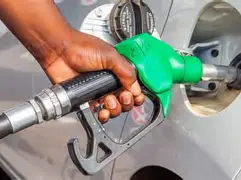
Motorists Buy 33% Less Fuel as Prices Surge
Motorists Buy 33% Less Fuel as Prices Surge Above R30 a Litre in South Africa
JOHANNESBURG, 2 November 2026 — South African motorists are increasingly purchasing smaller quantities of petrol and diesel as record-high fuel prices place additional pressure on household finances. SA Fuel Price Hike
New research released by Discovery Insure on Monday shows that fuel purchase volumes among its clients declined by 33% in October following a price increase that pushed inland 95-octane petrol above R30 per litre for the first time.
The findings are based on fuel transactions and telematics data from more than 200,000 Discovery Insure clients.
While motorists are buying less fuel during individual refuelling periods, the insurer found that most have not significantly reduced their everyday driving.
Instead, drivers are visiting filling stations more frequently, buying smaller quantities and adjusting their spending around payday.
The research highlights how rising transport costs are changing household spending habits across South Africa.
Fuel Purchases Fall by 33%
According to Discovery Insure, fuel purchase volumes among its clients dropped by 33% in October when comparing purchases before and after the fuel price increase on 7 October.
The insurer measured the decline in litres rather than the amount of money spent.
This distinction matters because motorists may spend more money while purchasing fewer litres when prices rise.
The finding does not mean that all South African motorists reduced their monthly fuel consumption by exactly one-third.
Rather, it reflects the purchasing behaviour recorded in Discovery Insure’s customer sample during the period analysed.
Nevertheless, the results provide evidence of how higher fuel prices are influencing consumer behaviour.
Motorists Are Buying Smaller Quantities More Often
Discovery Insure found that the average quantity of fuel purchased per transaction declined from approximately 36 litres to 31 litres during months experiencing significant price increases.
Smaller purchases have also become more common.
In 2025, transactions involving fewer than 20 litres accounted for approximately 25% of purchases.
During 2026, that proportion increased to around 36%.
The trend becomes particularly noticeable around payday.
Between the 25th and the end of the month, smaller transactions account for almost 40% of purchases during periods of major fuel price movements, compared with approximately 20% under normal conditions.
The figures suggest that motorists are increasingly managing fuel expenditure in smaller amounts rather than consistently filling their tanks.
Discovery Insure chief executive Robert Attwell said customers were becoming more deliberate about how they purchased fuel as prices increased.
Petrol Prices Have Increased by 46%
The pressure on motorists is reflected in the sharp increase in petrol prices during 2026.
According to Discovery Insure’s analysis, inland 95-octane unleaded petrol increased from R20.75 per litre in January to R30.25 per litre in October.
That represents an increase of approximately 46% in nine months.
For a motorist purchasing 50 litres, the difference is substantial.
| Fuel cost comparison | January 2026 | October 2026 |
|---|---|---|
| Inland 95 petrol per litre | R20.75 | R30.25 |
| Cost of 50 litres | R1,037.50 | R1,512.50 |
| Additional cost per 50 litres | — | R475.00 |
A motorist filling a 50-litre tank four times a month would spend R1,900 more than in January if purchasing the same quantity at those prices.
That calculation illustrates the effect of the price change and does not represent the average consumption of Discovery Insure customers.
Monthly Fuel Spending Climbs to R2,700
The insurer’s findings also reveal a substantial increase in monthly fuel expenditure.
At the beginning of 2025, Discovery Insure customers spent approximately R1,750 per month on fuel.
By mid-2026, that amount had increased to between R2,500 and R2,700.
This represents an increase of approximately 43% to 54%.
At the upper end, motorists were spending R950 more per month than at the beginning of 2025.
The higher expenditure comes despite evidence that consumers are attempting to manage costs by purchasing smaller quantities.
For households already facing higher food, electricity and other living expenses, fuel costs are placing additional pressure on disposable income.
Drivers Still Need to Travel to Work and School
One of the most notable findings is that motorists have struggled to reduce essential travel.
Discovery Insure’s telematics data showed that trips declined by 10% in April, while kilometres travelled fell by 9%.
Even after accounting for the Easter holiday period, driving activity remained lower.
By May, motorists were travelling approximately 9% less than before the earlier increases.
However, the reduction was not sustained.
Between June and September 2026, both trips and kilometres travelled were slightly higher than during the corresponding period in 2025.
Following October’s fuel price increase, trips declined by 6% and kilometres travelled by 7%.
The insurer concluded that motorists were able to reduce some travel temporarily but continued to rely on their vehicles for everyday activities.
Commuting, school transport and essential errands remain difficult expenses to eliminate.
Long-Distance Travel Takes a Hit
Although everyday driving has remained relatively stable, motorists have reduced discretionary travel.
Discovery Insure recorded a 30% decline in long-distance trips during the winter months.
This suggests that some motorists are postponing or reducing journeys that are not essential.
The change could have implications for businesses that depend on road travel, including hospitality establishments and tourism-related services.
However, the Discovery data alone does not establish how much revenue those sectors may have lost.
The findings show that motorists are making different decisions about essential and non-essential journeys.
Fuel Purchases Surge Before Price Increases
Despite buying smaller quantities more frequently, some motorists continue to rush to filling stations ahead of announced increases.
Discovery Insure recorded a 300% surge in petrol purchasing volumes shortly before midnight on Tuesday, 6 October.
Diesel purchases increased by 400% during the same period.
The insurer reported similar spikes ahead of earlier price adjustments in May.
These purchasing patterns suggest that motorists are attempting to avoid higher prices by buying fuel before new rates take effect.
The research also found that the average number of monthly visits to filling stations increased from approximately 2.4 to just over three.
Higher Fuel Prices Affect Food and Household Budgets
The impact of rising fuel costs extends beyond motorists.
According to figures cited by Discovery Insure from Statistics South Africa, transport costs increased by 10.8% year on year, compared with overall inflation of 4.5%.
Economist Sfiso Skenjana, managing director of ESG Analytics, warned that fuel price increases reduce the amount households have available for other necessities.
Lower- and middle-income households are particularly exposed, with transport accounting for an estimated 15% to 22% of their income.
Higher diesel prices can also increase the cost of transporting food, building materials and other goods.
Businesses facing higher operating and distribution costs may eventually pass some of those increases on to consumers.
This means even households without private vehicles can be affected by rising fuel prices.
Petrol Stations Also Face Financial Pressure
Higher pump prices do not necessarily mean higher profits for fuel retailers.
Henry van der Merwe, chairman of the South African Petroleum Retailers Association, has warned that filling stations are experiencing financial pressure as motorists buy fewer litres.
Petrol retailers operate under regulated margins, meaning their earnings do not automatically increase in proportion to the retail fuel price.
A reduction in litres sold can therefore affect revenue available to cover operating costs.
Van der Merwe has also raised concerns about employment and the sustainability of smaller rural filling stations.
Some retailers have reportedly reduced operating hours to manage costs.
The industry is therefore experiencing pressure from both rising expenses and changing consumer purchasing behaviour.
Government Announces Temporary Fuel Levy Relief
Motorists are expected to receive some relief from Wednesday, 4 November 2026.
Finance Minister Enoch Godongwana announced temporary reductions in fuel levies during the Medium-Term Budget Policy Statement on 21 October.
The government will reduce the levy by R1.50 per litre for petrol and R3 per litre for diesel from 4 November to 1 December.
Smaller reductions are then scheduled to continue until 5 January 2027.
The relief forms part of an approximately R10 billion intervention intended to ease pressure on households and businesses.
However, the final pump-price effect will also depend on other components of the monthly fuel price adjustment, including international petroleum prices and the rand exchange rate.
The levy reduction should therefore not automatically be interpreted as the exact amount by which every fuel grade will become cheaper.
What Motorists Can Do to Manage Fuel Costs
With essential travel difficult to avoid, motorists can focus on improving fuel efficiency and managing unnecessary expenditure.
Maintaining correct tyre pressure, servicing vehicles regularly and avoiding unnecessary idling can help reduce consumption.
Combining errands into fewer journeys may also reduce travel distances.
Drivers can compare legitimate fuel rewards programmes and assess whether the benefits justify any associated banking or insurance costs.
However, no single strategy can fully offset the effects of a substantial increase in pump prices.
For many households, the greatest challenge remains the cost of unavoidable travel.
Rising Fuel Costs Remain a Major Concern
Discovery Insure’s research illustrates how motorists are adapting to South Africa’s higher fuel prices.
Drivers are buying smaller quantities, visiting filling stations more often and cutting back on discretionary journeys.
Yet commuting and other essential travel remain largely unchanged.
The findings also demonstrate why a reduction in fuel purchases does not necessarily translate into lower household expenditure.
Motorists may purchase fewer litres at a time while still paying considerably more over the course of a month.
As government prepares to introduce temporary fuel levy relief, the central challenge remains whether motorists and businesses will experience meaningful and sustained reductions in transport costs.
Ubuntu9Media will continue monitoring fuel price adjustments, consumer spending trends and their impact on South African households.