
Anele Tembe toxicology report
Anele Tembe Toxicology Results Revealed
CAPE TOWN, 20 October 2026 — New forensic evidence has emerged in the inquest into the death of Anele Tembe, with a toxicologist confirming that cocaine, substances associated with alcohol consumption and traces of psychiatric medication were detected in samples taken from her body.
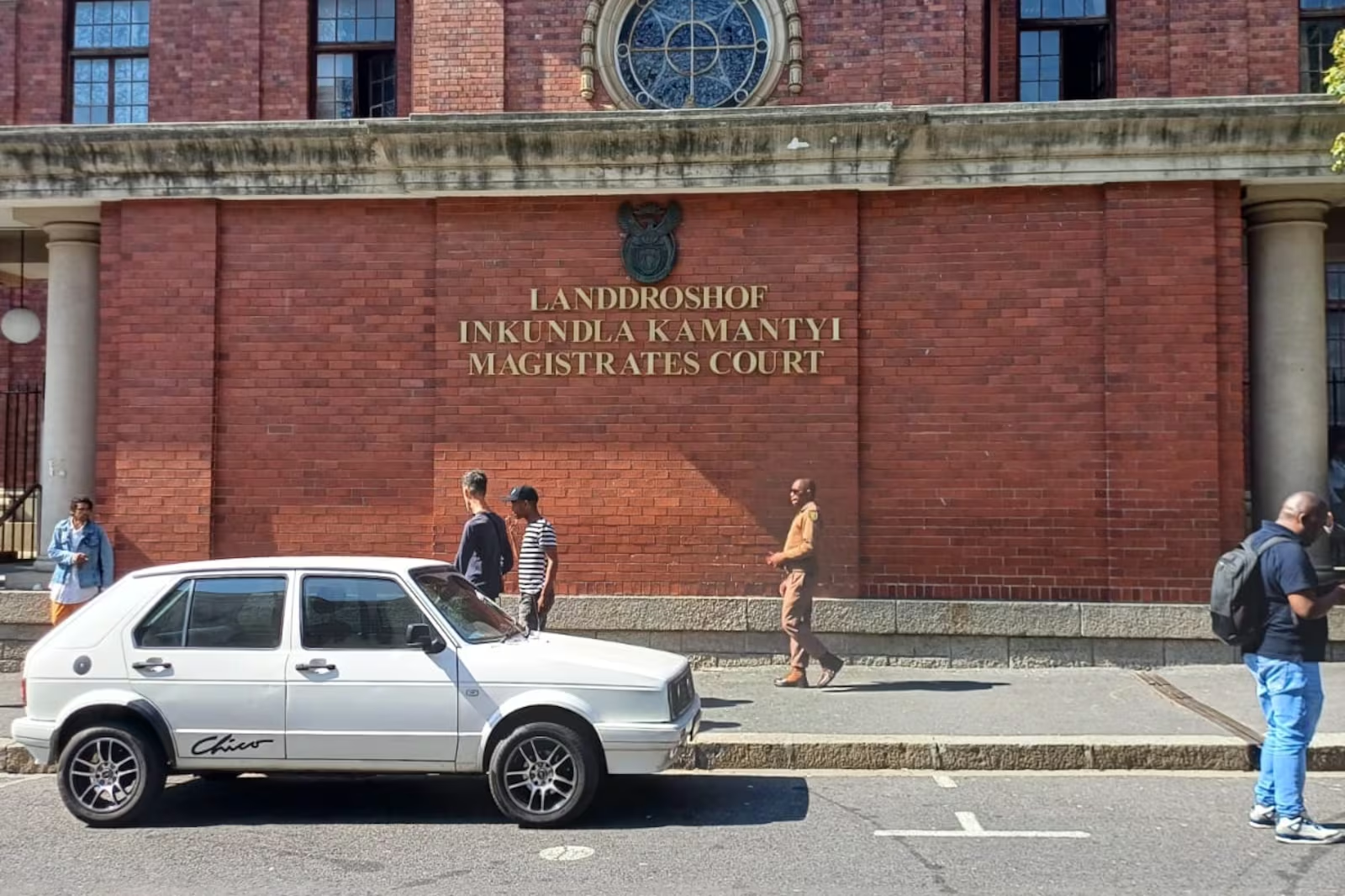
The findings were presented on Tuesday at the Cape Town Magistrate’s Court, where witnesses are providing evidence about the circumstances surrounding Tembe’s death on 11 April 2021.
Tembe, who was 22 years old, died after falling from the tenth floor of the Pepperclub Hotel in Cape Town.
She was engaged to South African rapper Kiernan “AKA” Forbes, who was staying at the hotel with her at the time.
The toxicology testimony forms part of the court’s effort to establish what happened before her fatal fall and whether another person’s unlawful conduct or negligence contributed to her death.
Cocaine Detected In Toxicology Tests
The court heard that forensic testing identified cocaine and substances produced when the body metabolises the drug.
According to testimony reported by TimesLIVE, approximately 0.2mg of cocaine was detected in a stomach sample.
The toxicologist also identified cocaine-related substances in samples from Tembe’s stomach, blood and eye.
These included cocaethylene and norcocaine.
Cocaethylene is a compound that can form in the body when cocaine and alcohol are consumed together.
Its detection can provide evidence of exposure to both substances, although interpreting its significance requires consideration of the full toxicology findings and other medical evidence.
The analysis also detected compounds associated with antidepressant and antipsychotic medication.
The precise medicines, their prescribed status and their potential effects at the time of Tembe’s death were not established in the reports of Tuesday’s testimony.
Toxicologist Unable To Determine When Cocaine Was Consumed
One of the most important limitations of the evidence concerned the timing of the substances detected.
The toxicologist told the court that the analysis could not establish exactly when Tembe had consumed cocaine.
According to EWN, the forensic examination of samples from her stomach, blood and eyes was conducted on 21 April 2021, ten days after her death.
The witness explained that his role was to identify substances present in the samples.
He was not able to determine the combined physiological or behavioural effects of the substances.
When questioned about whether the combination could have been lethal, he indicated that assessing those effects fell outside his area of expertise.
This distinction is significant.
Detecting a substance in a person’s body does not automatically establish that the person was intoxicated at a particular moment or that the substance caused their death.
The findings must be considered alongside the remaining forensic, medical and eyewitness evidence.
Toxicologist Requests Anonymity
The toxicologist was the sixth witness to testify during the latest proceedings.
He requested that he not be filmed or recorded while giving evidence.
The court has previously introduced restrictions concerning the identification and recording of certain witnesses.
These measures are intended to protect witnesses while allowing the inquest to examine relevant evidence.
Tuesday’s testimony followed evidence presented on Monday about the hotel balcony and the forensic examination of the scene.
Court Hears About AKA’s Injuries
The inquest also heard testimony on Tuesday from a medical practitioner who examined Forbes shortly after Tembe’s death.
The doctor described fresh scratches and bruises on parts of the rapper’s body.
According to EWN, injuries were observed on Forbes’s left forearm, behind his right knee and around his neck.
The practitioner reportedly described Forbes as stressed and agitated during the examination.
However, the doctor did not confirm suggestions that there were scratches on Forbes’s back.
The court heard that some injuries appeared recent and were consistent with contact involving sharp or blunt objects.
The medical evidence does not, by itself, establish how the injuries occurred or whether they were connected to Tembe’s fatal fall.
Those questions remain part of the broader evidence under examination.
Balcony Footprint Raises Questions
On Monday, 19 October, the court heard evidence concerning footprints found on the hotel balcony.
A police officer testified that investigators had identified a footprint believed to belong to Tembe on the outer edge of the balcony railing.
The position of the footprint suggested that she may have been facing towards the hotel room, with her back towards the street below.
Partial footprints were also identified facing the room.
However, investigators did not recover identifiable fingerprints from the railing.
The officer acknowledged that the scene had been contaminated, explaining that people had looked over the balcony after the incident.
He also told the court that he had personally climbed over the railing during his investigation.
The footprint evidence has attracted attention because it may assist the court in reconstructing Tembe’s position before the fall.
Nevertheless, a footprint alone cannot establish whether she jumped, accidentally fell or was pushed.
What Happened On 11 April 2021?
Tembe died in the early hours of 11 April 2021 after falling from the Pepperclub Hotel in Cape Town.
Her death prompted a police investigation and widespread public discussion.
Forbes was at the hotel at the time.
During earlier inquest proceedings, a hotel employee testified that she received a telephone call from a distressed man requesting assistance for someone on a balcony.
The witness said she heard a scream followed by a loud noise while the call was taking place.
Another witness described hearing a woman shouting shortly before the fall.
Investigators also examined the condition of the hotel room, including bloodstains on bedding and towels.
These accounts are being considered as part of the inquest.
They do not individually provide a definitive explanation of the circumstances surrounding Tembe’s death.
Why Was An Inquest Ordered?
The National Prosecuting Authority previously considered the police investigation and decided not to institute criminal proceedings.
The matter was subsequently referred for a formal inquest.
An inquest is a judicial process used to investigate a death and determine relevant circumstances, including whether another person’s conduct may have contributed to it.
Unlike a criminal trial, an inquest does not begin with an accused person facing charges.
The presiding magistrate examines evidence from witnesses, investigators and experts before making findings.
If the evidence indicates possible criminal responsibility, the matter may be referred to the prosecuting authorities for consideration.
The inquest therefore should not be confused with a criminal prosecution or a finding of guilt.
AKA Died In 2023
Forbes, who was engaged to Tembe at the time of her death, was shot and killed outside Wish restaurant on Florida Road in Durban on 10 February 2023.
His friend Tebello “Tibz” Motsoane was also killed in the shooting.
The deaths are the subject of separate criminal proceedings in Durban.
Forbes’s death means that he cannot provide further testimony about the events at the Pepperclub Hotel.
The Cape Town inquest must therefore rely on available statements, forensic findings, medical records and witness evidence.
The two cases are separate legal matters.
What Do The Toxicology Results Mean?
The discovery of cocaine-related substances and medication compounds provides additional information for the court to consider.
However, several important questions remain unanswered.
The reported findings do not establish exactly when the substances were consumed.
They do not establish the extent of any impairment at the time of the fall.
They also do not prove that the substances caused or contributed to Tembe’s death.
Further expert interpretation would be required before conclusions could be drawn about their potential medical significance.
The magistrate must assess the toxicology evidence together with testimony concerning the hotel room, balcony, witness observations and medical examinations.
What Happens Next?
The formal inquest is continuing at the Cape Town Magistrate’s Court.
Additional testimony and the court’s examination of the evidence will help determine what can reliably be established about Tembe’s final hours.
The latest toxicology findings represent another part of a complex investigation that has continued for more than five years.
For Tembe’s family, the proceedings remain an opportunity to seek clarity about the circumstances surrounding her death.
The court has not yet delivered its final findings.


