Boxer CEO Warning: R41 Billion Lost in SA
Boxer Warns, Billions Lost
JOHANNESBURG, 13 October 2026 — South African households are facing renewed financial pressure as Boxer CEO Marek Masojada warns that rising fuel costs could eventually force retailers to increase food prices, while municipalities continue losing more than R41 billion annually through water and electricity losses.
The developments highlight two significant challenges facing the country: the rising cost of living and the financial strain caused by inefficient municipal infrastructure.
Although Boxer has reported stronger financial results, its chief executive has cautioned that prolonged international conflict and elevated fuel prices could make it increasingly difficult for retailers to protect consumers from higher operating costs.
Meanwhile, figures reported from National Treasury data reveal that billions of rands are being lost through leaking water infrastructure, electricity distribution losses, theft and other inefficiencies.
Boxer CEO Warns About Rising Food Prices
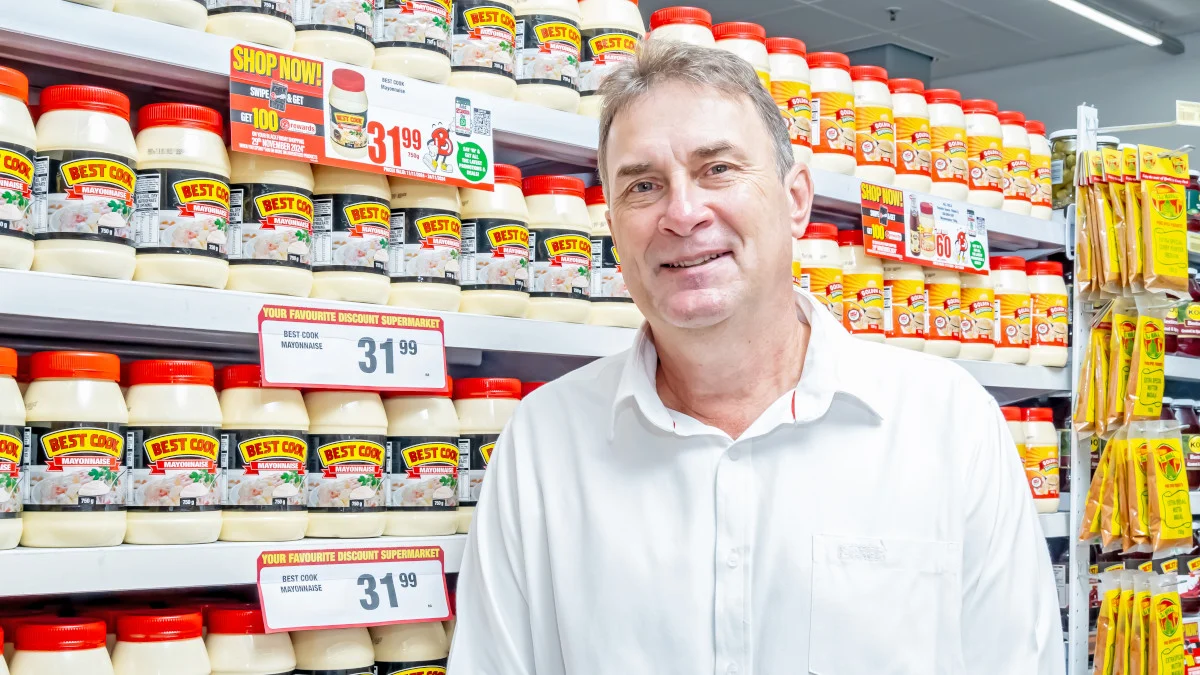
Boxer CEO Marek Masojada has warned that South African consumers could face higher food prices if elevated fuel costs persist.
Speaking to Business Day, Masojada explained that the ongoing conflict involving Iran, the United States and Israel has contributed to pressure on global oil markets.
Higher fuel prices affect the cost of transporting goods, operating distribution networks and delivering products to supermarkets.
Although retailers have attempted to absorb some of these additional expenses, sustained increases could eventually be passed on to shoppers.
The warning is particularly significant for lower-income households, which already allocate substantial portions of their budgets to food, transport and essential services.
Why Fuel Prices Matter To Grocery Shoppers
Fuel costs influence food prices long before products reach supermarket shelves.
Farmers require diesel to operate agricultural machinery and transport produce. Manufacturers depend on energy and logistics networks, while distributors must move goods between warehouses and retail outlets.
When fuel prices rise, expenses can increase across several stages of the supply chain.
Retailers must then decide whether to absorb those costs through lower margins or adjust selling prices.
For South African households, the impact could extend beyond petrol and diesel purchases to everyday essentials such as bread, milk, vegetables and other groceries.
However, higher fuel costs do not automatically mean every product will become more expensive. Retail competition, supplier contracts and other economic conditions also influence prices.
Boxer Reports Strong Financial Results
Despite challenging trading conditions, Boxer has delivered improved financial performance.
The retailer reported headline earnings of R565 million for the 26 weeks ended 30 August 2026, representing growth of 9.1%.
Turnover increased by 6.3% to R24.1 billion, while trading profit rose by 8.1% to approximately R1 billion.
Profit before tax and capital items climbed 10.6% to R774 million.
The group also reached a significant milestone by opening its 600th store.
These results demonstrate that Boxer has continued expanding its operations despite pressure on household spending.
However, management has warned that higher oil and diesel costs remain a concern for both customers and the business.
South Africa Loses Over R41 Billion Annually
While retailers face rising operational expenses, South Africa’s municipalities are confronting a different financial challenge.
More than R41 billion worth of water and electricity is reportedly lost annually through distribution inefficiencies, theft and deteriorating infrastructure.
According to figures released by National Treasury in March 2026 and subsequently reported by Daily Investor, approximately R26 billion worth of treated water is lost every year.
Electricity distribution losses in major metropolitan municipalities account for more than R15 billion annually.
These losses represent substantial financial resources that could otherwise support municipal operations and infrastructure maintenance.
Importantly, the R41 billion figure represents estimated annual utility losses rather than a single cash payment or a confirmed amount stolen.
Water Infrastructure Under Pressure
Water losses remain a major challenge for South African municipalities.
Ageing pipelines, leaks, faulty meters and inadequate maintenance contribute to the loss of treated water before it can be billed or properly accounted for.
When municipalities lose water, they also lose revenue needed to maintain and improve their distribution networks.
This creates a difficult cycle in which infrastructure problems contribute to financial losses, while limited revenue makes infrastructure repairs harder to fund.
For residents, poorly maintained water systems can contribute to unreliable supply and service interruptions.
Addressing these problems requires effective maintenance programmes, improved monitoring and investment in infrastructure.
Electricity Theft And Distribution Losses
Electricity distribution losses create additional pressure on municipal finances.
These losses can result from technical problems, ageing infrastructure, illegal connections, electricity theft and inaccurate metering.
Municipalities must purchase electricity for distribution to consumers, but not all electricity supplied is successfully billed and paid for.
This difference can weaken municipal revenue collection and reduce the resources available for maintenance.
Reducing electricity losses requires improvements in metering, network maintenance, revenue protection and the management of illegal connections.
Municipal Consumer Debt Reaches R467 Billion
South Africa’s municipal financial difficulties extend beyond infrastructure losses.
National Treasury figures cited by Daily Investor show that municipal consumer debt has reached approximately R467.2 billion.
Households account for about R335.3 billion of this amount, representing roughly 72% of the total.
Commercial consumers owe approximately R94.7 billion.
A significant portion of the outstanding debt is more than 90 days overdue.
However, unpaid municipal accounts can arise from several circumstances, including affordability difficulties, billing disputes and failures in revenue administration.
The debt figures highlight the financial challenges facing municipalities as they attempt to maintain essential services.
What This Means For South Africans
The two developments have different causes, but both illustrate economic pressures affecting households and businesses.
Higher fuel prices can increase operating costs throughout the food supply chain, potentially making essential groceries more expensive.
Municipal water and electricity losses, meanwhile, reduce the financial resources available to maintain public services.
For households, the combined concern is affordability and reliability.
Consumers need reasonably priced food, dependable water supplies and stable electricity services.
Businesses also depend on functioning infrastructure and predictable operating costs to remain competitive.
What Happens Next?
Boxer’s warning will place additional attention on international oil prices and their potential effect on South African food inflation.
Retailers will continue balancing competitive pricing with the need to recover operating costs.
At municipal level, the focus remains on reducing water and electricity losses, improving revenue collection and maintaining infrastructure.
The coming months will show whether fuel costs ease sufficiently to limit further pressure on grocery prices.
For municipalities, sustained improvements will depend on effective infrastructure management and financial accountability.
Ubuntu9Media will continue following developments affecting South Africa’s economy, household finances and essential public services.