City of Joburg Pays R5.25bn to Eskom as CPUT Crisis Escalates
City of Joburg pays over R5 billion to Eskom
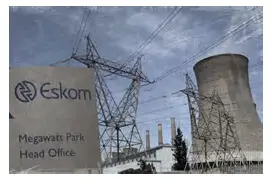
The City of Johannesburg has fully settled its overdue electricity debt to Eskom, paying more than R5.25 billion and bringing a long-running dispute with the power utility to an end.
Eskom confirmed that it had received the final payment from City Power, the city’s electricity distribution company. The total amount settled was R5,255,421,994.16.
The payment removes an immediate threat to Johannesburg’s electricity supply and represents a significant financial milestone for the country’s largest city.
Johannesburg had been under pressure to settle the outstanding amount amid concerns that Eskom could take steps to restrict electricity supply if the debt remained unpaid.
The settlement followed a government-led mediation process between the city and Eskom.
A major financial relief for Johannesburg
The Eskom debt has been a major issue for the City of Johannesburg as it continues to deal with broader financial and service-delivery challenges.
In July, Eskom said Johannesburg had already made payments of more than R4.3 billion and had committed to paying a total of about R5.12 billion by 21 August.
The city has now gone further by settling the accumulated overdue amount in full.
The move provides some breathing room for Johannesburg as it attempts to stabilise its finances and improve basic services.
It also comes just months before South Africa’s local government elections, with Johannesburg expected to be one of the country’s most closely watched political battlegrounds.
Higher Education Department moves to resolve CPUT crisis
Meanwhile, the Department of Higher Education and Training is preparing for another meeting aimed at resolving the ongoing standoff between students and management at the Cape Peninsula University of Technology (CPUT).
The university has been caught in a prolonged student protest that has disrupted academic activities and forced the institution to suspend its academic programme and order the evacuation of residences.
Higher Education and Training Minister Buti Manamela has instructed a departmental team to work with CPUT management, council and student leadership to facilitate urgent engagement.
The initial meeting on Thursday did not produce an agreement, with the departmental team meeting separately with the different parties. A further meeting is now expected as efforts continue to break the deadlock.
Student protests bring university operations to a standstill
The CPUT dispute has highlighted broader pressures facing South Africa’s higher education institutions.
Among the issues at the centre of the dispute was a proposed financial recovery plan by the university’s council. The council subsequently withdrew the plan, but protests continued.
The university has also reported damage linked to the protests estimated at more than R1 million.
A building at CPUT’s Bellville campus was reportedly set alight during the unrest, adding further pressure to an institution already dealing with financial and operational challenges.
The university has continued maintenance work while academic operations remain affected.
Government faces pressure on both fronts
The developments in Johannesburg and at CPUT illustrate two different but connected challenges facing South African public institutions: financial stability and effective governance.
In Johannesburg, the settlement of the Eskom debt removes a major immediate risk but does not resolve the city’s wider financial and infrastructure problems.
At CPUT, government intervention is focused on preventing a prolonged shutdown while trying to find an agreement between students and university management.
In both cases, the pressure is on public institutions to demonstrate that financial problems can be addressed without compromising essential services.
Why the Joburg Eskom payment matters
The R5.25 billion settlement is significant beyond the electricity dispute itself.
Johannesburg is one of the country’s most important economic centres, and prolonged uncertainty over its electricity supply could have affected households, businesses and investors.
The settlement therefore reduces one major risk hanging over the city’s economy.
However, the city still faces major challenges involving infrastructure, water, revenue collection, municipal finances and service delivery.
Business leaders have also committed to supporting efforts to strengthen Johannesburg’s financial management and infrastructure, reflecting growing concern about the city’s economic trajectory.
Higher education crisis remains unresolved
At CPUT, the immediate priority is restoring academic operations and ensuring students can return to their studies safely.
But the crisis also raises broader questions about the financial sustainability of universities, student accommodation, governance and the relationship between university management and student representatives.
The Department of Higher Education and Training has made intervention at CPUT a priority, with Minister Manamela directing officials to facilitate engagement between the key stakeholders.
For students, however, the success of the intervention will ultimately be measured by whether their concerns are addressed and whether academic activities can resume.
Two major stories shaping South Africa
The developments at Johannesburg and CPUT come at a time when public institutions across South Africa are under intense pressure to improve financial management, service delivery and accountability.
Johannesburg’s payment to Eskom demonstrates that large municipal debts can eventually be resolved through negotiation, political intervention and financial commitments.
The CPUT situation, meanwhile, shows the consequences when financial and governance disputes spill over into the daily operations of a major public institution.
Both developments will be closely watched in the days ahead.
For Johannesburg, the immediate electricity threat has been removed.
For CPUT, the search for a lasting solution continues.
The next challenge for both institutions is turning these interventions into lasting improvements rather than temporary relief.