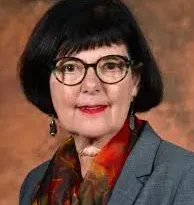
Cachalia on Deokaran Murder
Cachalia on Deokaran murder: Five years without justice
Cachalia on Deokaran murder has delivered a powerful message as South Africa marks five years since anti-corruption whistleblower Babita Deokaran was assassinated outside her home.
Acting Police Minister Firoz Cachalia has suggested that one of the reasons the alleged masterminds behind Deokaran’s murder have not yet been brought to justice is because the people who benefited from her death may still be in positions of power.
“The people who benefited financially from her death, and the reason why we don’t have justice, is because those people are in power and can protect themselves,” Cachalia said.
His comments have once again placed the murder of Deokaran at the centre of South Africa’s ongoing fight against corruption and raised fresh questions about whether powerful people can avoid accountability.
Who was Babita Deokaran?
Babita Deokaran was a senior Gauteng Health official and a respected anti-corruption whistleblower who helped uncover suspicious payments and alleged corruption linked to Tembisa Hospital.
Her work exposed irregular financial transactions involving hundreds of millions of rand and contributed to investigations into alleged corruption involving public money.
On 23 August 2021, Deokaran was shot and killed outside her Johannesburg home. Her murder sent shockwaves across South Africa and highlighted the serious dangers faced by whistleblowers who expose corruption.
Five years later, the case remains a symbol of the country’s struggle to protect those who speak out against wrongdoing.
Cachalia on Deokaran murder raises questions about those in power
The latest comments from Cachalia on Deokaran’s murder are particularly significant because they focus attention on the people who may have benefited from silencing her.
While several men have been convicted for their involvement in carrying out the murder, the alleged masterminds behind the assassination have not yet been publicly brought to justice.
This has created growing frustration among Deokaran’s family, anti-corruption organisations and members of the public.
The central question remains: Who ordered Babita Deokaran’s murder, and why have they not been arrested?
Cachalia’s remarks suggest that answering that question could involve confronting powerful interests that may have had both the motive and the ability to protect themselves.
Deokaran’s family wants the mastermind
For Babita Deokaran’s family, justice will not be complete until the people who allegedly ordered the murder are identified and prosecuted.
Her brother, Rakesh Deokaran, has repeatedly called for investigators to focus on the people at the top of the alleged criminal network.
The family’s position is clear: arresting the individuals who carried out the killing is not the same as finding the people who planned and financed it.
Their demand reflects a broader concern in South Africa’s criminal justice system, where the people who commit crimes are sometimes prosecuted while those who allegedly organise or benefit from them remain untouched.
The murder of Babita Deokaran and the fight against corruption
The Cachalia on Deokaran murder comments also highlight the wider consequences of corruption.
Corruption is not simply about money disappearing from government accounts. It can destroy institutions, deprive communities of essential services and, in the most extreme cases, place the lives of whistleblowers at risk.
Deokaran’s death became a tragic example of the personal cost of exposing alleged wrongdoing.
Her assassination raised difficult questions about whether South Africa provides enough protection to people who report corruption, particularly when the alleged wrongdoing involves powerful individuals or organised criminal networks.
If whistleblowers believe that exposing corruption could cost them their lives, fewer people may be willing to come forward.
That would make corruption even harder to detect.
Investigation into the masterminds continues
The investigation into those who allegedly ordered Babita Deokaran’s murder remains a major priority for law enforcement authorities.
However, the absence of arrests of alleged masterminds five years after the killing continues to raise concerns about the pace of the investigation.
Authorities have previously maintained that investigations into the broader network behind the assassination are ongoing and that details cannot always be made public while investigations are underway.
The Hawks and other law enforcement agencies face enormous pressure to demonstrate that the investigation will ultimately reach beyond the people who carried out the shooting.
For Deokaran’s family, every year without answers makes the search for justice more painful.
Why Cachalia’s comments matter
The comments by Cachalia on Deokaran’s murder matter because they acknowledge something that many South Africans fear: powerful people can sometimes use influence and connections to delay or avoid accountability.
Whether that is ultimately proven in this case will depend on the outcome of the investigation and any future prosecutions.
However, Cachalia’s remarks have renewed attention on the need for law enforcement institutions to remain independent and capable of investigating powerful people without fear or political interference.
South Africa’s fight against corruption depends on the principle that no one should be above the law.
Whistleblower protection remains a national concern
Five years after Deokaran’s death, South Africa continues to debate how whistleblowers can be better protected.
The country has seen several people who exposed corruption face intimidation, financial hardship and threats to their safety.
Deokaran’s murder demonstrated the potentially deadly consequences when those risks become reality.
Protecting whistleblowers requires more than public statements after a tragedy. It requires effective laws, physical protection where necessary, financial and legal support, and rapid action when threats are reported.
The legacy of Babita Deokaran should therefore include meaningful reforms that make it safer for future whistleblowers to come forward.
Justice for Babita Deokaran is a test for South Africa
Ultimately, the Cachalia on Deokaran murder comments have brought renewed attention to a case that remains deeply important to South Africa.
The murder of Babita Deokaran is not only about finding justice for one family. It is also about whether the country’s institutions can hold powerful people accountable.
Five years after her assassination, several questions remain unanswered.
Who ordered the killing?
Who paid for it?
Who benefited from her silence?
And will those responsible ever face justice?
Until the alleged masterminds behind the murder are identified and prosecuted, the Babita Deokaran case will remain an open wound in South Africa’s fight against corruption.
The message from Cachalia on Deokaran’s murder is clear: justice must not stop with the people who pulled the trigger. The country must continue searching for the people who allegedly stood to benefit from her death.
Frequently Asked Questions
Who was Babita Deokaran?
Babita Deokaran was a Gauteng Health official and anti-corruption whistleblower who helped expose suspicious financial transactions and alleged corruption linked to Tembisa Hospital.
When was Babita Deokaran murdered?
Babita Deokaran was murdered on 23 August 2021 after being shot outside her home in Johannesburg.
What did Firoz Cachalia say about the Deokaran murder?
Cachalia said that the people who benefited financially from Babita Deokaran’s death may still be in positions of power and could be protecting themselves from accountability.
Have the masterminds behind Babita Deokaran’s murder been arrested?
Several people have been convicted in connection with carrying out the murder, but the alleged masterminds behind the assassination have not yet been publicly brought to justice.