
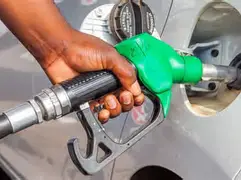
SA fuel price hikes
SA fuel price hikes hit motorists but government steps in
South Africans are facing steep fuel increases this April, with petrol and diesel prices rising sharply due to global oil disruptions and a weaker rand.
However, in a move that has provided some relief, the government has stepped in to reduce the impact of the SA fuel price hikes by cutting the fuel levy by R3 per litre.
SA fuel price hikes surge in April
Fuel prices have jumped significantly, with petrol expected to rise by around R3.87 to over R4 per litre, while diesel has surged by as much as R7 per litre.
These increases stem largely from global factors, including rising oil prices linked to geopolitical tensions in the Middle East.
Motorists are now feeling the pressure as fuel costs approach record levels, with inland petrol prices expected to climb above R24 per litre.
For more details on projected increases:
Fuel price projections for April
Government steps in with R3 relief
Despite the sharp increases, the government introduced a temporary intervention to cushion consumers.
Authorities announced a R3 per litre reduction in the general fuel levy for April, a move aimed at limiting the full impact of rising global prices.
This decision comes after pressure from businesses, labour groups, and economists who warned about the impact on households and inflation.
Without this intervention, fuel prices could have been even higher.
Why fuel prices are rising
Several factors are driving the SA fuel price hikes:
- Global oil price spikes due to geopolitical conflict
- A weaker rand against the US dollar
- Rising fuel taxes and levies introduced in the 2026 budget
South Africa relies heavily on imported fuel, making it vulnerable to international market shocks.
Impact on households and economy
The SA fuel price hikes are expected to affect more than just motorists. Rising fuel costs typically lead to:
- Higher transport costs
- Increased food prices due to logistics expenses
- Greater financial strain on households
Farmers and businesses are already warning about rising diesel costs affecting production and supply chains.
A balancing act for government
While the R3 levy reduction has been welcomed, officials have indicated that the measure is temporary and may not be sustainable long-term.
Government is reportedly exploring additional relief measures if global oil prices remain high, but fiscal constraints remain a concern.
Conclusion
The latest SA fuel price hikes highlight the country’s vulnerability to global energy shocks. While the increases are significant, the government’s R3 per litre intervention has softened the blow for consumers.
As fuel prices remain volatile, further support measures may be needed to protect households and stabilise the economy.


