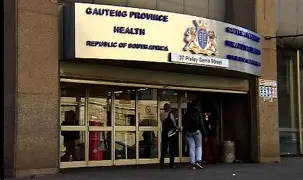
Gauteng Health’s R4.6 Billion Debt Crisis
The Gauteng Department of Health is grappling with a staggering R4.6 billion in unpaid patient bills, raising serious concerns about the sustainability of public healthcare in South Africa.
This growing financial burden comes at a time when hospitals and clinics are already under pressure due to rising patient numbers, limited resources, and increasing operational costs.
Who Owes the Money?
According to officials, the debt is owed by a mix of:
- South African citizens who have defaulted on payments
- Foreign nationals receiving treatment in public hospitals
- Medical aid schemes that have delayed or disputed payments
While public healthcare in South Africa is designed to be accessible, the system still relies on partial cost recovery — and the current levels of non-payment are becoming unsustainable.
Why This Crisis Matters
The implications of the Gauteng Health debt crisis are far-reaching:
Strain on Public Hospitals
Hospitals depend on revenue collection to maintain services, purchase equipment, and pay suppliers. A R4.6 billion shortfall weakens the entire system.
Service Delivery Risks
Budget constraints could lead to:
- Medication shortages
- Staff shortages
- Longer waiting times for patients
Increased Pressure on Taxpayers
Ultimately, taxpayers may have to absorb the losses, placing additional strain on South Africa’s already stretched public finances.
Government Response and Recovery Plans
The Gauteng Health Department has indicated that it is working on strategies to recover the outstanding funds. These include:
- Strengthening billing and collection systems
- Improving verification of patient information
- Pursuing payments from medical aid providers
- Tightening policies around non-paying patients
However, critics argue that enforcement remains weak and systemic inefficiencies continue to undermine recovery efforts.
A Deeper Systemic Problem
This crisis highlights broader structural issues within South Africa’s healthcare system, including:
- Inefficient administrative processes
- Poor revenue collection mechanisms
- Overburdened public health facilities
Experts warn that without reform, the problem could worsen — especially as demand for public healthcare continues to rise.
What This Means for South Africans
For everyday citizens, this crisis could translate into:
- Reduced quality of care
- Increased waiting times
- Potential policy changes affecting access to services
The situation also raises important questions about accountability, healthcare funding, and the balance between accessibility and sustainability.