Global Crude Oil Shortage
Global crude oil shortage
What is causing the oil shortage?
The global crude oil shortage is becoming a major concern as geopolitical tensions disrupt key supply routes. The ongoing conflict in the Middle East has severely affected oil transportation, especially through the Strait of Hormuz.
This route carries about 20% of the world’s oil supply, making it one of the most critical energy chokepoints. Disruptions in this area have already caused significant supply shocks and rising prices.
As a result, global markets are experiencing instability, with fears that supply shortages could worsen if the conflict continues.
Oil prices surge above $100
The global crude oil shortage has pushed prices sharply higher. Brent crude has climbed above $110 per barrel, while US oil prices have also surged past $100.
In addition, analysts warn that prices could rise even further if supply disruptions persist. Some forecasts suggest oil could reach extreme levels if the crisis deepens.
Furthermore, the volatility in oil markets has already started affecting global stock markets and economic outlooks.
Supply disruptions and global impact
The global crude oil shortage stems from both immediate disruptions and longer-term supply challenges. Experts estimate that a prolonged shutdown of key routes could remove up to 13–14 million barrels per day from the global market.
Moreover, energy agencies have described the situation as one of the biggest supply shocks in recent history.
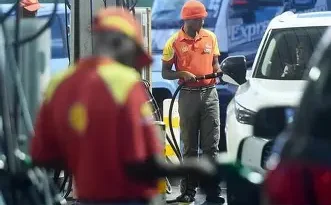
Consequently, countries around the world are feeling the impact. Some regions have already reported fuel shortages, rising transport costs, and increased inflation.
Economic risks and global slowdown
The global crude oil shortage is now threatening global economic growth. The International Monetary Fund has warned that rising energy prices could slow economies and increase inflation worldwide.
In addition, higher oil prices often lead to increased costs for food, transport, and manufacturing. This creates a ripple effect across industries.
Therefore, economists fear a potential period of stagflation, where economic growth slows while prices continue to rise.
What happens next?
The future of the global crude oil shortage depends largely on geopolitical developments. If supply routes reopen and tensions ease, markets could stabilise.
However, if disruptions continue, oil prices may remain high for an extended period. Governments have already begun releasing emergency reserves to ease pressure, but experts warn that these measures offer only short-term relief.
Conclusion
The oil shortage highlights how fragile global energy systems remain. A single geopolitical conflict can disrupt supply chains and impact economies worldwide.
As the situation evolves, governments, businesses, and consumers will need to adapt to ongoing uncertainty in the global oil market.