Eskom Price Increase 2026
Eskom Tariff Hike Sparks Concern Across South Africa
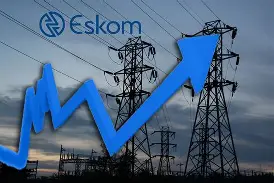
South Africa is facing another electricity price surge as Eskom implements new tariff increases approved by the National Energy Regulator of South Africa.
From 1 April 2026, electricity prices for direct Eskom customers will rise by 8.76%, while municipal customers will see increases of about 9.01% from July 2026.
Although the percentage may seem moderate, the real impact on households and businesses could be much higher.
The Real Price Spike: Why Bills Will Increase More Than Expected
While the official increase sits below 10%, many South Africans will feel a much sharper rise in their monthly bills.
This is because:
- Eskom is increasing fixed charges and service fees
- New tariff structures shift more costs onto consumers
- Lower electricity usage no longer guarantees lower bills
In some cases, households could experience increases far above the stated 8.76%.
Why Eskom Is Increasing Prices
The tariff hike links directly to Eskom’s financial pressures and long-term sustainability challenges.
Key reasons include:
- Rising operational and maintenance costs
- Debt recovery and infrastructure funding
- The need to align tariffs with actual electricity supply costs
The regulator approved the increase to help Eskom recover revenue while keeping the system stable.
Impact on Households and Businesses
The Eskom price spike will affect millions of South Africans, especially low- and middle-income households.
Experts warn that:
- Electricity costs already take a large share of household income
- Higher tariffs could increase inflation
- Businesses may pass costs down to consumers
Energy analysts also caution that continued increases could deepen inequality and reduce disposable income.
Long-Term Trend: Electricity Prices Keep Rising
South Africa’s electricity prices have increased consistently over the past decade. Some industries report that power costs have risen dramatically since 2008, affecting competitiveness and job creation.
Looking ahead, Eskom tariffs are expected to continue rising, with additional increases already planned for the coming years.
What This Means for South Africa
The current Eskom price increase highlights a bigger issue: the country’s energy system remains under pressure.
In the short term:
- Power supply is more stable
- Load shedding has reduced
But in the long term:
- Costs continue to rise
- Structural reforms remain critical
- Consumers carry more of the financial burden