South Africa Elections 2026: Why Municipalities Are in Crisis
South Africa Votes 2026: Why These Elections Could Determine the Future of Our Failing Municipalities
By Ubuntu9Media Political Analysis Desk
4 November 2026 | Johannesburg, South Africa
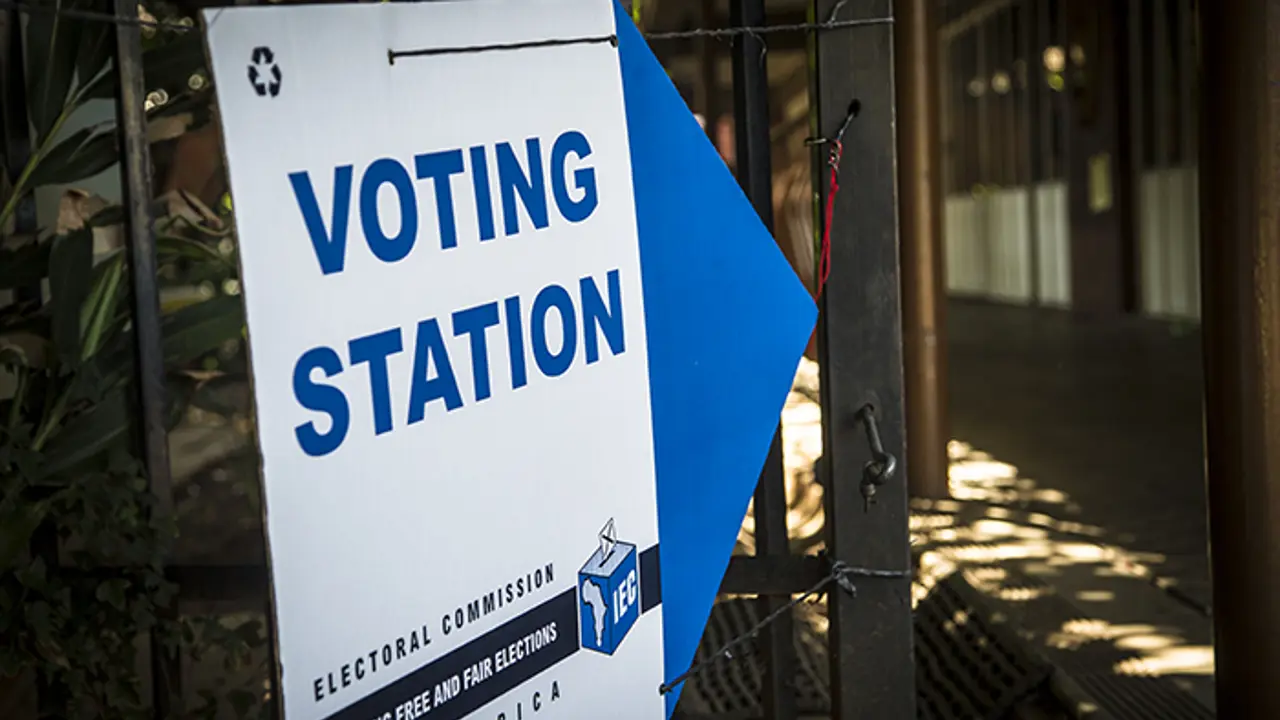
ANALYSIS — As South Africans head to voting stations across the country on Wednesday, the 2026 local government elections are about far more than political parties competing for council seats.
They are about water that no longer reaches households, roads that remain damaged for years, sewage flowing through communities, electricity infrastructure that repeatedly fails and municipalities struggling to fulfil their most basic responsibilities.
For millions of South Africans, local government has become the level of government they encounter most directly — and often the one that disappoints them most visibly.
The outcome of these elections will determine who governs South Africa’s 257 municipalities for the next five years.
But the deeper question is whether the politicians who emerge victorious will be capable of reversing years of financial, administrative and infrastructure deterioration.
1. South Africa Is Not Just Voting for Political Parties — It Is Voting on Municipal Performance
National politics often dominates public discussion, but local government affects residents in immediate and practical ways.
A municipality is responsible for maintaining local roads, managing refuse collection, administering land-use planning and providing essential services within its legal responsibilities.
In many areas, municipalities also distribute water and electricity.
When these systems fail, residents experience the consequences directly.
Businesses cannot operate normally without electricity.
Families cannot maintain basic hygiene without reliable water.
Damaged roads increase transport costs, while sewage contamination creates public health risks.
This makes the 2026 election a test of whether municipal leaders can translate political promises into practical administration.
However, it is important to recognise that responsibility for service failures can be shared among municipalities, provincial departments, national government, water boards and other public entities.
Effective accountability requires identifying which institution is responsible for each failure.
2. The Financial Crisis Behind Failing Municipalities
One of the most serious challenges facing local government is financial sustainability.
Municipalities need revenue to pay employees, maintain infrastructure, purchase bulk electricity and water, and deliver services.
When households and businesses do not pay municipal accounts, or when municipalities fail to collect money owed to them, the financial pressure increases.
Poor billing systems, unauthorised expenditure, weak financial controls and inadequate maintenance planning can make the situation worse.
Some municipalities accumulate substantial debts to Eskom and water boards.
Others struggle to spend infrastructure grants effectively or maintain reliable financial records.
The consequences are often visible long before a municipality reaches a formal financial crisis.
Streetlights remain broken.
Potholes are not repaired.
Water leaks continue for months.
Wastewater treatment plants deteriorate.
The central problem is that infrastructure requires consistent funding and maintenance, not only emergency repairs after systems have already failed.
A municipality cannot build a sustainable future if its operational expenditure continually consumes resources intended for infrastructure renewal.
3. Johannesburg Shows What Happens When Infrastructure and Politics Collide
Johannesburg has become one of the most closely watched municipalities in the country.
The city has experienced repeated changes in political leadership, complicated coalition arrangements and persistent service delivery complaints.
Water shortages have affected communities across the metropolitan area.
Residents have also reported damaged roads, broken traffic lights, electricity disruptions and uncollected rubbish.
These problems have developed over time and cannot automatically be attributed to a single mayor or political party.
Nevertheless, successive administrations are accountable for their decisions about budgets, maintenance, appointments and service delivery priorities.
Johannesburg’s experience illustrates the difficulty of governing a major city when political agreements are unstable.
When coalition relationships collapse, municipal leadership may change before long-term infrastructure programmes can be completed.
That does not mean coalition government is inherently ineffective.
It means coalition agreements need clear priorities, credible budgets and mechanisms to resolve political disputes without repeatedly disrupting administration.
4. Water and Sanitation May Be the Biggest Test of the Next Municipal Councils
South Africa’s water crisis is no longer limited to isolated rural communities.
Water interruptions, deteriorating treatment infrastructure and sewage contamination have become serious concerns in both urban and rural municipalities.
The consequences extend beyond inconvenience.
Unsafe drinking water can expose communities to disease.
Untreated sewage can contaminate rivers and groundwater.
Water interruptions can disrupt schools, hospitals, restaurants, factories and other businesses.
Municipalities facing these challenges need credible infrastructure recovery plans.
Such plans should identify the condition of existing infrastructure, the funding required for repairs and replacement, the responsible officials and realistic implementation deadlines.
Simply promising to end water shortages is not enough.
Residents should be able to track whether water treatment plants are functioning, whether maintenance programmes are funded and whether the municipality is reducing water losses.
5. Corruption Is Not the Only Problem — Weak Administration Also Matters
Corruption and procurement irregularities can undermine municipal finances and public trust.
But not every service delivery failure is necessarily caused by corruption.
Some municipalities face shortages of qualified engineers, accountants, planners and technical personnel.
Others struggle with outdated billing systems, poor record-keeping or insufficient infrastructure maintenance.
Political interference in administrative appointments can also weaken professional management.
The next municipal councils should therefore be judged not only by the political leaders they appoint but also by whether they establish competent administrations.
Important questions include whether senior managers have the required qualifications, whether procurement decisions are transparent and whether financial reports accurately reflect municipal operations.
Effective local government depends on professional institutions that continue functioning even when political leadership changes.
6. Coalitions Could Decide the Future of South Africa’s Biggest Cities
The decline of single-party dominance has changed the political environment in several major municipalities.
Johannesburg, Tshwane, Ekurhuleni and other councils have experienced coalition government.
Following the 2026 elections, some municipalities may again require agreements between multiple political parties.
Coalitions are legitimate democratic arrangements.
They can provide representation to communities whose preferred parties did not win outright majorities.
However, coalitions can become unstable when participating parties disagree over leadership positions, budgets or policy priorities.
The next generation of coalition agreements should therefore focus on measurable service delivery commitments.
These could include water infrastructure targets, municipal debt reduction plans, infrastructure maintenance schedules and transparent financial reporting.
The critical issue is not simply which parties agree to govern together.
It is whether those parties can establish an administration capable of delivering services throughout its term.
7. Why Voters Should Pay Attention to Smaller Municipalities
National media coverage often focuses on Johannesburg, Cape Town, Tshwane and eThekwini.
Yet many of South Africa’s most serious municipal challenges affect smaller towns and rural communities.
In these areas, residents may face limited access to reliable water, inadequate sanitation, deteriorating roads and weak municipal revenue collection.
Some local economies depend heavily on agriculture, mining, tourism or a small number of employers.
When municipal infrastructure fails, the consequences can affect employment and investment.
A business considering expansion may reconsider its plans if electricity, water, roads or municipal administration cannot be relied upon.
Smaller municipalities therefore deserve the same scrutiny as metropolitan councils.
The condition of a town’s infrastructure and finances can influence its economic prospects for many years.
8. What the Election Results Will Tell Us
The first results will indicate how political support has changed since the previous local government elections.
However, early counting figures must be interpreted carefully.
Results from a small number of voting districts may not represent an entire municipality.
A party could lead the early count because its strongest voting areas were counted first.
The position may change as more voting districts report.
Municipal elections also involve different ballot types and a system combining ward representation with proportional representation.
The party receiving the largest share of votes does not necessarily secure an outright council majority.
A party can finish ahead of its competitors but still require coalition partners to govern.
For this reason, Ubuntu9Media will distinguish between early leads, completed counts, final seat allocations and confirmed governing arrangements.
9. Five Questions Every New Municipal Council Should Answer
Regardless of which party wins, residents deserve clear answers about the municipality’s future.
First: What is the municipality’s actual financial position?
Residents should know how much the municipality owes, how much revenue it collects and whether it can fund its essential obligations.
Second: What is the condition of the infrastructure?
Water networks, wastewater facilities, electricity systems and roads should be assessed through credible technical reports.
Third: Who is responsible for fixing failing services?
The municipality should identify accountable officials, budgets and deadlines for major infrastructure programmes.
Fourth: How will the council prevent financial and procurement misconduct?
Transparent tender processes, internal controls and effective oversight are essential.
Fifth: How will residents measure progress?
Municipalities should publish accessible performance information so communities can compare promises with actual delivery.
Without answers to these questions, election campaigns risk becoming exercises in political competition rather than practical plans for better governance.
10. Why These Elections Matter to Businesses and Jobs
Municipal service delivery is closely connected to economic development.
Factories need dependable electricity and water.
Retail businesses depend on functioning roads, waste collection and public safety.
Mining and agricultural operations require transport infrastructure and reliable public services.
When municipalities fail to maintain these systems, operating costs increase.
Investors may delay projects, businesses may reduce activity and employment opportunities may be affected.
Conversely, reliable municipal infrastructure can support investment and economic activity.
The quality of local government should therefore be viewed as an economic issue as well as a political one.
11. The Real Test Begins After the Election
Election day provides an opportunity for voters to influence the composition of their municipal councils.
But the election itself will not repair infrastructure or restore financial stability.
Those outcomes depend on what happens afterward.
Councillors must approve credible budgets.
Municipal managers must implement lawful decisions.
Technical departments must maintain infrastructure.
Oversight committees must examine expenditure and performance.
Residents and civil society organisations must have access to information that allows them to hold local authorities accountable.
The next five years will reveal whether newly elected councils can establish the financial and administrative foundations needed for lasting improvement.
Conclusion: South Africa Needs Municipalities That Work
The 2026 local government elections come at a time when many South Africans have lost confidence in the ability of municipalities to deliver reliable services.
Some communities face recurring water shortages.
Others struggle with sewage contamination, electricity interruptions, deteriorating roads or poor refuse collection.
These challenges have different causes and require different solutions.
No political party can resolve them simply by winning an election.
The next municipal administrations will need financial discipline, qualified personnel, credible infrastructure plans and effective oversight.
The most important outcome of the 2026 elections will ultimately be measured not only in council seats, but in whether communities experience safer water, reliable electricity, functioning roads and more accountable local government.
For South Africa, that is the real significance of today’s vote.
Ubuntu9Media Analysis Desk | 4 November 2026