ANC Johannesburg mayoral candidate
ANC Johannesburg Mayoral Battle Deepens
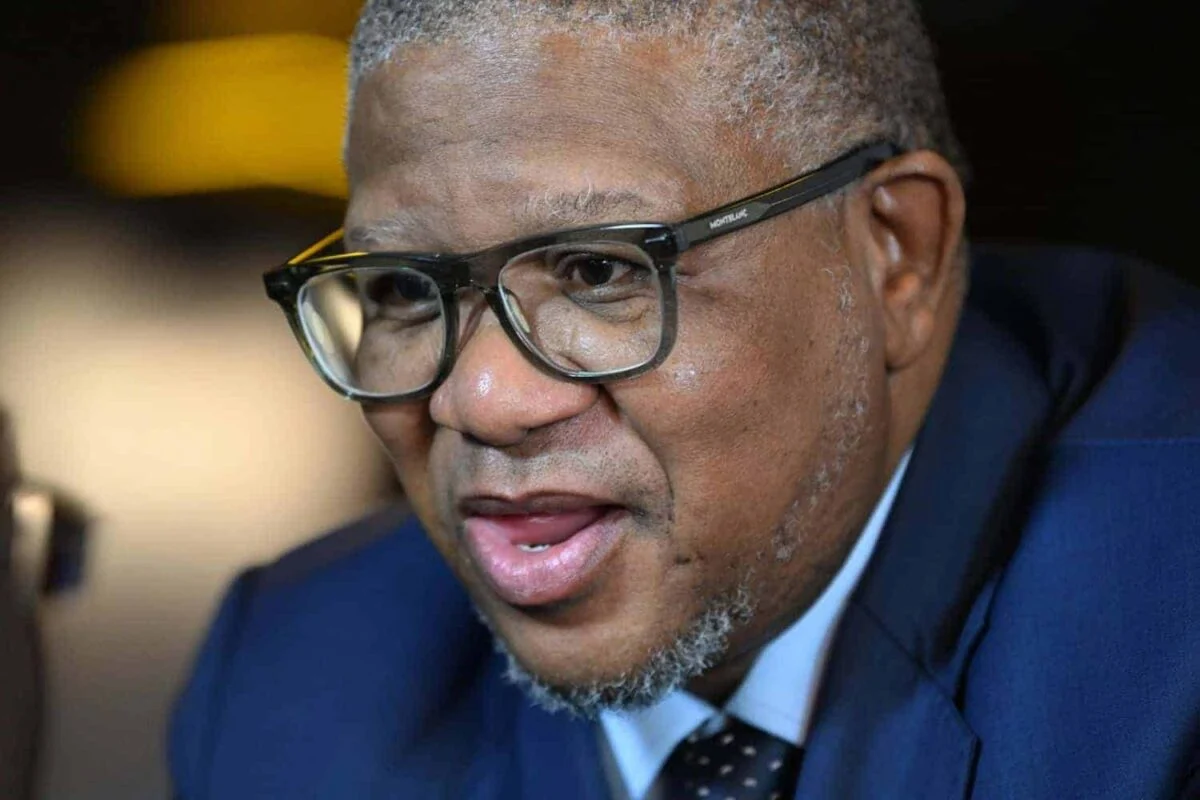
JOHANNESBURG, 22 October 2026 — Tensions within the African National Congress (ANC) are intensifying over who should become Johannesburg’s next executive mayor, with party secretary-general Fikile Mbalula rejecting calls from regional leaders to name a preferred candidate before the upcoming local government elections. ANC Councillor Shot Dead
Speaking at a media briefing on Wednesday, 21 October, Mbalula made it clear that the final decision rests with the ANC’s national officials rather than its Johannesburg regional structures.
The dispute has exposed competing positions within the party as it prepares for the municipal elections scheduled for 4 November 2026.
At the centre of the disagreement are incumbent Johannesburg mayor Dada Morero, ANC regional chairperson Loyiso Masuku and veteran party leader Reverend Frank Chikane.
All three have been considered for the mayoral position, but the ANC has decided against announcing its preferred candidate before voters go to the polls.
Mbalula Rejects Regional Demands
Mbalula told journalists that ANC national office-bearers have the authority to decide who the party will nominate as mayor.
He rejected suggestions that Masuku should automatically receive the nomination because she is the party’s Johannesburg regional chairperson.
According to Mbalula, regional structures have already participated in the nomination process, and the national leadership has completed its assessment of shortlisted candidates.
The secretary-general emphasised that the party must first concentrate on winning votes.
He also cautioned ANC members against allowing individual ambitions to overshadow the election campaign.
His comments followed public statements from Johannesburg regional secretary Sasabona Manganye, who questioned the decision to maintain several potential mayoral candidates rather than identify one.
The disagreement highlights tensions between the party’s regional leadership and its national decision-makers.
Three Candidates Compete For Johannesburg
The ANC’s Johannesburg mayoral shortlist includes three prominent political figures.
| Candidate | Current position or background |
|---|---|
| Dada Morero | Incumbent Johannesburg executive mayor |
| Loyiso Masuku | ANC Johannesburg regional chairperson and deputy executive mayor |
| Reverend Frank Chikane | Veteran ANC leader and former senior government official |
Morero has served as Johannesburg’s mayor since August 2024.
Masuku became the ANC’s Johannesburg regional chairperson in December 2025 after defeating Morero in the party’s regional leadership contest.
Chikane has a long history in the ANC and has been considered as an alternative mayoral nominee.
Although all three have been shortlisted, the ANC has not formally announced which person it intends to nominate after the election.
Loyiso Masuku Receives Regional Support
Masuku has attracted support from sections of the ANC’s Johannesburg structures.
The ANC Youth League has publicly backed her candidacy, arguing that her position as regional chairperson strengthens her claim to the mayoral nomination.
The league has also highlighted the significance of Masuku becoming the first woman to lead the ANC’s Johannesburg region.
At an event commemorating struggle veteran Albertina Sisulu, Manganye questioned why the party had not settled on a single mayoral candidate.
ANC deputy secretary-general Nomvula Mokonyane has also reportedly expressed support for Masuku.
Supporters have referred to the party’s historical practice of considering regional chairpersons for mayoral positions.
However, that practice does not automatically determine the nomination under the ANC’s current selection rules.
Mbalula insists that national officials retain the final authority.
Dada Morero’s Position Under Scrutiny
The dispute also places incumbent mayor Dada Morero in a politically sensitive position.
Morero has been leading Johannesburg’s coalition administration since August 2024.
He previously chaired the ANC’s Johannesburg region before losing the position to Masuku.
His continued inclusion on the mayoral shortlist means he remains eligible for nomination despite the change in regional leadership.
However, Johannesburg’s municipal administration faces ongoing scrutiny over service delivery, infrastructure maintenance and financial management.
Residents have repeatedly raised concerns about deteriorating roads, water interruptions, electricity problems and municipal accountability.
These issues form part of the broader election debate, regardless of which ANC candidate ultimately receives the mayoral nomination.
The party will have to defend its record in Johannesburg while seeking support for another term in municipal government.
Frank Chikane’s Candidacy Raises Questions
Reverend Frank Chikane’s inclusion has added another dimension to the ANC’s internal selection process.
Chikane was among the three candidates interviewed by national officials.
However, he was omitted from the party’s certified proportional-representation candidate list.
Mbalula previously described the omission as an administrative error that could be corrected.
The situation has raised questions about how Chikane could become mayor if he is not initially elected as a councillor.
Johannesburg regional secretary Manganye has indicated that Chikane could potentially be added to the list after the election through an applicable replacement process.
Any such arrangement would have to comply with electoral legislation and the requirements governing municipal councillors.
Chikane’s candidacy therefore remains subject to both the ANC’s internal decision and the legal procedures needed for him to serve on the council.
ANC Delays Mayoral Announcements Nationwide
The uncertainty surrounding Johannesburg forms part of a wider ANC decision not to announce final mayoral nominees before the elections.
The party initially planned to identify its preferred candidates in August.
The announcement was subsequently delayed to September.
Earlier this week, the ANC confirmed that it would not publicly name its final selections before 4 November.
According to reporting by Daily Maverick, the decision was influenced by concerns that supporters of unsuccessful candidates could withdraw from election campaigning.
ANC head of elections Mdumiseni Ntuli confirmed that the party had decided against announcing its preferred mayoral candidates before voting.
The approach allows competing candidates and their supporters to continue campaigning under the ANC banner.
However, it also means voters will not know the party’s definitive mayoral choice before casting their ballots.
National Officials Hold Final Authority
Mbalula’s position is consistent with the ANC’s 2026 candidate-selection rules.
Under those rules, national officials have the authority to select mayoral nominees for metropolitan municipalities.
Regional structures can submit nominations and participate in the process, but they do not have the final say.
The arrangement reflects the ANC’s centralised approach to selecting leadership candidates in major cities.
Supporters of centralised selection may view it as a way to maintain consistency across regions.
Critics of the approach may argue that regional structures should have greater influence over leadership decisions affecting their municipalities.
The current dispute demonstrates how these competing priorities can create friction within a political organisation.
Johannesburg Election Adds Pressure
The ANC’s leadership dispute comes as political parties intensify campaigning in Johannesburg.
The city is one of South Africa’s most economically significant municipalities.
Its administration is responsible for services affecting millions of residents and businesses.
The election campaign is taking place against a backdrop of concerns about infrastructure, municipal finances, public safety and service delivery.
The Democratic Alliance, ActionSA, Economic Freedom Fighters and other parties are competing for representation in the council.
An October eNCA/MarkData survey reported voter preferences of 35% for the DA, 21.8% for the ANC, 12.5% for the MK Party, 11.9% for the EFF and 10.3% for ActionSA.
These figures describe the survey’s findings at the time it was conducted, not an election result.
The eventual composition of Johannesburg’s council will depend on votes cast on 4 November.
Why The Mayor’s Identity Matters
Johannesburg residents vote for municipal councillors rather than directly electing an executive mayor.
After the election, the newly constituted municipal council elects its mayor.
This means the ANC’s eventual nominee would still need sufficient support within the council to secure the position.
If no party obtains a majority, coalition negotiations could become important in determining who leads the municipality.
The ANC’s decision to delay its mayoral announcement therefore leaves two separate questions unresolved.
The first is whom the party will nominate.
The second is whether that nominee will secure enough votes from councillors to become mayor.
These decisions will only become clear after the election and the subsequent council proceedings.
Internal Disagreements Raise Campaign Questions
The ANC’s internal debate has prompted questions about whether competing leadership ambitions could affect its election campaign.
Mbalula has urged party members to focus on presenting the ANC’s manifesto and engaging voters.
He has also warned against allowing the contest for positions to dominate campaign activities.
His intervention suggests that the national leadership wants to contain public disagreements until the election is concluded.
However, the competing positions expressed by regional leaders, national officials and the Youth League show that the mayoral question remains politically sensitive.
Whether the disagreement affects campaign mobilisation is not yet established.
The party’s electoral performance will ultimately be determined by voters.
What Happens After 4 November?
Once the municipal election results are declared, the ANC’s national officials are expected to decide which shortlisted candidate to nominate for Johannesburg mayor.
The decision may be influenced by the election outcome and the composition of the new council.
The party could nominate Morero, Masuku or Chikane, subject to the necessary legal requirements.
Other parties will also determine their council leadership positions and consider possible governing arrangements.
The mayor will ultimately be elected by the municipal council.
Until then, the ANC’s preferred candidate remains officially undecided.
Johannesburg Awaits ANC’s Decision
The dispute over Johannesburg’s mayoral nomination highlights the competing interests within the ANC as the municipal elections approach.
Masuku has support from influential regional and party structures.
Morero remains the incumbent mayor.
Chikane continues to feature among the candidates considered by national officials.
Mbalula, however, has insisted that no individual or regional structure can claim the position before the national leadership makes its decision.
For Johannesburg residents, the central issue extends beyond the ANC’s internal contest.
The next municipal administration will face significant expectations to improve service delivery, infrastructure and financial accountability.
The ANC’s final mayoral choice will become clearer after the 4 November elections, but the voters’ decision will first determine the balance of power in Johannesburg’s council.