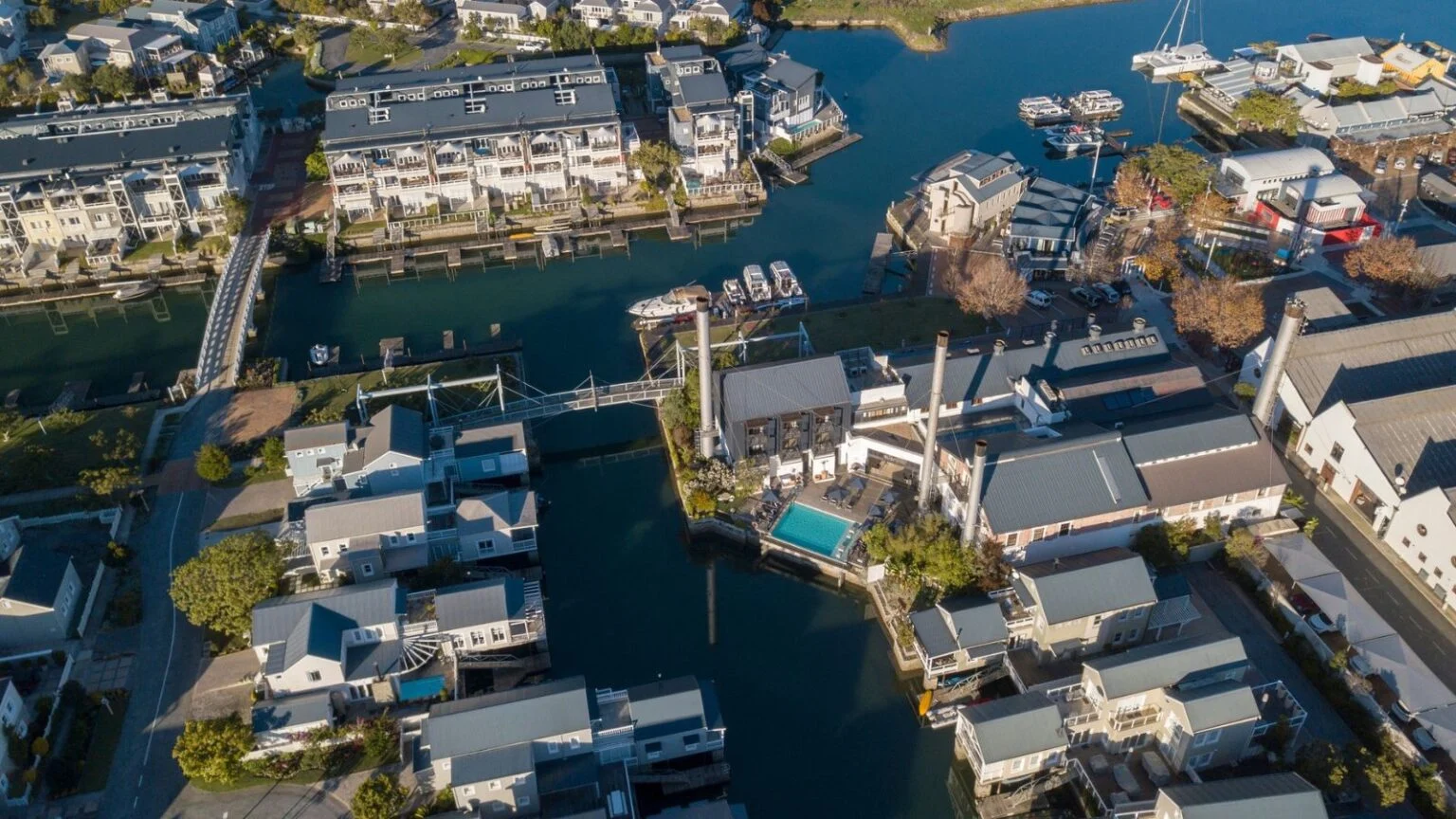
Power Station Luxury Hotel
Power Station Luxury Hotel Opens In South Africa At R7,600 Per Night
Introduction
The power station luxury hotel trend has taken a bold turn in South Africa after a former power station was transformed into a high-end hospitality destination. What was once an industrial facility now offers luxury accommodation, with rooms costing up to R7,600 per night.
From Industry To Luxury
The power station luxury hotel is located in the historic precinct of Cape Town, where developers converted an old power station into a premium hotel experience.
Instead of demolishing the structure, the project preserved much of the original architecture. As a result, guests can enjoy a mix of industrial heritage and modern luxury.
What Guests Can Expect
The power station luxury hotel offers:
- Luxury suites with premium finishes
- Rooftop dining and entertainment
- Spa and wellness facilities
- Panoramic city and waterfront views
Some suites reportedly cost as much as R7,600 per night, placing the hotel firmly in the luxury travel market.
Why The Project Matters
The power station luxury hotel represents more than just tourism. It also highlights the growing trend of adaptive reuse—where old industrial buildings find new life as commercial spaces.
This approach supports:
- Urban regeneration
- Heritage preservation
- Tourism growth
- Job creation
Therefore, the project stands as both a business investment and a cultural statement.
Luxury Tourism Growth
The luxury station hotel arrives as South Africa continues to expand its premium tourism offering. High-end hotels remain attractive to both international visitors and local luxury travellers.
Cape Town, in particular, has become a major destination for luxury hospitality, thanks to its global reputation and strong tourism demand.
Public Reaction
The luxury station hotel has sparked mixed reactions. Some people praise the innovation and preservation of historic spaces.
However, others question the affordability of such developments in a country facing major inequality and housing challenges.
Still, supporters argue that investment in tourism helps strengthen the wider economy.
What Happens Next
Following the launch of the luxury hotel, developers may pursue similar projects across South Africa.
Old factories, warehouses, and industrial sites could become future hotels, offices, or mixed-use developments.
Conclusion
The luxury hotel shows how South Africa is blending heritage with modern luxury. By transforming an old power station into a premium hotel, developers created both a landmark and a business opportunity.
Ultimately, the project reflects changing urban spaces and the growing demand for unique luxury experiences.