Zuma Khampepe Recusal Battle
Zuma Khampepe Recusal Battle Heads To ConCourt
Introduction
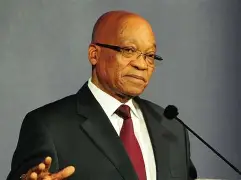
The Zuma Khampepe recusal battle has escalated after former President Jacob Zuma took his legal fight to South Africa’s highest court. The move comes after a setback in the High Court, intensifying a high-stakes dispute involving retired Justice Sisi Khampepe.
Background to the Case
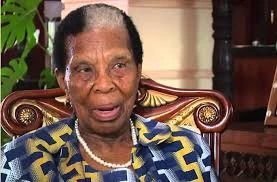
The Zuma Khampepe recusal battle stems from an ongoing inquiry into stalled prosecutions linked to apartheid-era crimes identified in the Truth and Reconciliation Commission (TRC) report. Zuma, alongside former President Thabo Mbeki, had sought to have Khampepe removed as chair of the inquiry.
They argued that her previous roles within the judiciary and her involvement in past cases could compromise her impartiality. However, Khampepe refused to recuse herself, maintaining that there was no valid basis for claims of bias.
High Court Dismissal
The Zuma Khampepe recusal battle suffered a major setback when the Gauteng High Court dismissed the application. The court ruled that Zuma and Mbeki failed to follow proper legal procedures, including obtaining permission from the Chief Justice before initiating action against a sitting judge.
The ruling effectively allowed Khampepe to continue leading the inquiry, dealing a blow to Zuma’s legal strategy.
Move To Constitutional Court
Following the dismissal, the Zuma Khampepe recusal battle has now reached the Constitutional Court of South Africa. Zuma has filed an urgent application, arguing that the High Court erred in its judgment.
In particular, Zuma claims the court failed to properly consider all aspects of the case, including the handling of dissenting opinions in the ruling.
Legal Arguments and Implications
The Zuma Khampepe recusal battle raises significant constitutional questions about judicial impartiality and legal procedure. Zuma maintains that Khampepe’s prior involvement in related legal matters creates a perception of bias.
However, previous rulings have indicated that Zuma failed to provide sufficient evidence to support these claims.
Legal experts say the Constitutional Court’s decision could have far-reaching implications for how recusal applications are handled in South Africa.
Political and Public Reaction
The Zuma Khampepe recusal battle has sparked debate across political and legal circles. Some critics argue that the repeated legal challenges are part of a broader strategy to delay proceedings, while supporters insist Zuma is exercising his constitutional rights.
The case also places renewed attention on South Africa’s judiciary and its ability to remain independent under political pressure.
What Happens Next
As the Zuma’s Khampepe recusal battle moves to the Constitutional Court, all eyes will be on the outcome of Zuma’s application. The court will decide whether to hear the matter and potentially overturn the High Court’s ruling.
If unsuccessful, Khampepe will continue to preside over the inquiry, allowing proceedings into TRC-related cases to move forward.
Conclusion
The Zuma’s Khampepe recusal battle marks another critical chapter in South Africa’s legal and political landscape. With the matter now before the Constitutional Court, the outcome could shape both the inquiry and future legal challenges involving judicial recusal.