General Mkhwanazi Testifies at Madlanga Commission
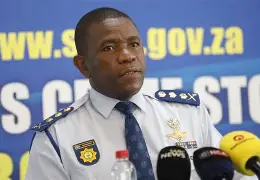
South Africa is witnessing the beginning of what may become a watershed moment in the nation’s struggle against corruption, political interference, and the erosion of trust in law enforcement. The Madlanga Commission of Inquiry has officially commenced public hearings, and leading the charge is KwaZulu-Natal Police Commissioner Lieutenant General Nhlanhla Sibusiso Mkhwanazi, who is the first witness to testify.
Background: Why the Commission
The Madlanga Commission, led by retired Constitutional Court Justice Mbuyiseli Madlanga, was established in response to serious allegations made by General Mkhwanazi in a July 2025 press briefing.
The key accusations include:
- That senior police officials and politicians have been interfering with investigations into political killings, organised crime, and corruption.
- The disbandment of the Political Killings Task Team, which was investigating sensitive cases. Mkhwanazi alleges this was done without proper consultation and possibly to protect powerful interests.
- That criminal syndicates have infiltrated elements of the police service and justice system, possibly being shielded by senior officials.
What Is Happening Now
- The commission began its first public hearing today (17 September 2025), in Pretoria, at the Bridgette Mabandla Justice College.
- General Mkhwanazi has taken the stand as the first witness. Over several days, he is expected to lay out his evidence: documents, communications, and testimony that support his allegations.
- One of the immediate points of contention is the fate of the dockets handled by the Political Killings Task Team (PKTT): what happened to ~130+ criminal dockets after the unit was disbanded, who ordered their transfer or shelving, and whether those orders were legitimate.
- Mkhwanazi has been challenging decisions by Police Minister Senzo Mchunu, and Deputy National Police Commissioner Shadrack Sibiya, among others. The commission is expected to question them (or hear from them) in due course.
Questions & Stakes
The commission is being watched closely by the public, civil society, opposition parties, and the media. Some of the key questions that many South Africans are asking:
- Will the commission uncover irrefutable evidence that leads to prosecutions, or will its findings be largely symbolic?
- Will senior officials implicated in Mkhwanazi’s allegations respond effectively, clear their names, or be held accountable?
- Can this process restore public confidence in the Police Service and broader justice system?
- What reforms (if any) will follow the Commission’s recommendations — will they be enacted, or left to gather dust like some past commissions?
What to Watch For
- How General Mkhwanazi’s testimony unfolds over the next few days — the strength of his evidence, how detailed and corroborated it is.
- Responses from those accused: Minister Mchunu, Deputy Commissioner Sibiya, and possibly others. How they defend against the allegations.
- Whether the commission uncovers new names, documents, or examples of interference that were previously unknown.
- The transparency of the commission process: access to hearings, publication of evidence, and timelines for recommendation implementation.
Conclusion
General Nhlanhla Mkhwanazi’s decision to go public with his allegations has thrust South Africa into a serious reckoning with some very difficult truths. The Madlanga Commission has, at its outset, both an opportunity and a burden: to dig deep, speak truthfully, and enable accountability — not just as a show, but as a turning point.
The coming days will be decisive. If justice is not only seen to be done but is done, it could change the course of policing and governance in this country.