South Africa’s 2025 Budget Speech: Key Highlights and Implications
Finance Minister Enoch Godongwana presented South Africa’s 2025 national budget to Parliament today, marking the third attempt to pass the fiscal plan amid coalition disagreements and economic challenges. The revised budget aims to address a significant revenue shortfall while avoiding a previously proposed VAT increase.
Economic Outlook and Fiscal Targets
The budget projects a widened deficit of 4.8% of GDP for the current fiscal year, up from the previously estimated 4.6%. Gross debt is expected to stabilise at 77.4% of GDP in 2025/26, compared to the earlier estimate of 76.2%. These adjustments follow the government’s decision to eliminate a planned VAT hike due to political disagreements within the coalition government.
Revenue Measures
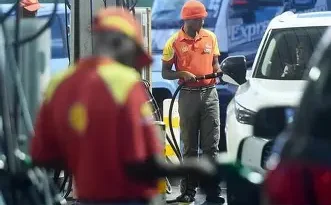
To compensate for the revenue shortfall, the budget introduces an inflation-linked increase to the general fuel levy—the first in three years. Effective June 4, the levy will rise by 16 cents per litre for petrol and 15 cents per litre for diesel . Additionally, the South African Revenue Service (SARS) has been allocated an extra R7.5 billion over the medium term to enhance revenue collection, targeting illicit trade and improving modernization efforts.
Expenditure Adjustments
In response to the revenue constraints, the government has reduced projected spending by R69.4 billion over three years. Notably, the health budget has been adjusted to R20.7 billion, down from the previously earmarked R28.9 billion, focusing on protecting 4,700 health jobs, recruiting 800 new doctors, and addressing shortages in medical supplies. Education funding has also been revised, with additional spending shifting from R29.5 billion to R19.5 billion to safeguard approximately 5,500 teaching posts.
Implications for Citizens
For South Africans, the immediate impact includes higher fuel prices due to the increased levy, potentially affecting transportation and goods costs. The decision to maintain the VAT rate at 15% avoids placing additional strain on consumers, particularly lower-income households. However, the budget’s adjustments in health and education spending may influence service delivery in these critical sectors.
Looking Ahead
The government acknowledges that the current measures may not fully close the fiscal gap over the medium term. Plans are underway to propose new tax measures in the 2026 budget, aiming to raise R20 billion. The success of these initiatives will depend on effective implementation and continued efforts to stimulate economic growth.