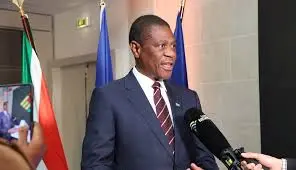
Day 3: General Mkhwanazi Testifies at the Madlanga Commission
The Madlanga Commission of Inquiry, led by Justice Mbuyiseli Madlanga, continues to expose deep cracks in South Africa’s justice system. On Day 3, KwaZulu-Natal Police Commissioner Lieutenant General Nhlanhla Mkhwanazi gave further testimony.
He spoke about political interference, weak oversight, and intimidation inside the police service. As a result, his evidence has sparked strong debate across the country.
Military Uniforms and Symbolism
Mkhwanazi explained why some officers wore military-style uniforms. According to him, this decision showed strength and unity.
However, critics warned that the practice can militarise policing. In addition, it may damage trust between the police and communities.
The Political Killings Task Team Under Scrutiny
The Political Killings Task Team (PKTT) came under fire. Civil society activists, including Professor Mary de Haas, raised concerns about its cost and performance.
In response, Mkhwanazi defended the unit. He argued that, despite limited resources, the team remains essential in tackling political violence.
Allegations of Evidence Tampering
Mkhwanazi also spoke about forensic evidence. He said that ballistic tests were changed or misdirected to cover up crimes.
Moreover, he claimed that some forensic staff faced pressure and intimidation. Therefore, doubts remain about the reliability of evidence in high-profile investigations.
Oversight Bodies Under Fire
The commissioner also criticised oversight structures. He stated that IPID and the NPA often failed to act on cases.
As a result, many serious matters stayed unresolved. Furthermore, these failures weakened public confidence in accountability systems.
Legal and Political Pushback
Not everyone agreed with Mkhwanazi’s account. Forensic investigator Paul O’Sullivan disputed his claims. In fact, their dispute has turned into a R5 million defamation case.
This battle highlights how whistleblowers risk both legal and personal attacks when they speak out.
Key Themes Emerging
- Militarisation of policing may blur the line between safety and intimidation.
- Weak oversight damages accountability and trust.
- Political pressure threatens fair investigations.
- Whistleblower risks can silence transparency.
Looking Ahead
The commission must now answer important questions.
- Will oversight bodies explain their failures in public?
- Can reforms protect investigators from outside influence?
- What action will follow if tampering is proven?
Ultimately, the commission’s report will shape the future of policing and accountability in South Africa.
Conclusion
Day 3 of General Mkhwanazi’s testimony painted a troubling picture. He pointed to evidence tampering, political interference, and oversight breakdowns.
Meanwhile, South Africans wait for answers. The country hopes the commission will lead to real reform, stronger accountability, and renewed public trust in policing.