Sizekhaya Lottery Licence Set Aside by High Court
Lottery Licence to Sizekhaya Set Aside After Court Finds Minister Tau’s ‘Parallel Process’ Unlawful
PRETORIA, 3 November 2026 — South Africa’s National Lottery licensing process has suffered a major legal setback after the Gauteng High Court in Pretoria overturned the decision to award the Fourth National Lottery and Sports Pools Licence to Sizekhaya Holdings.
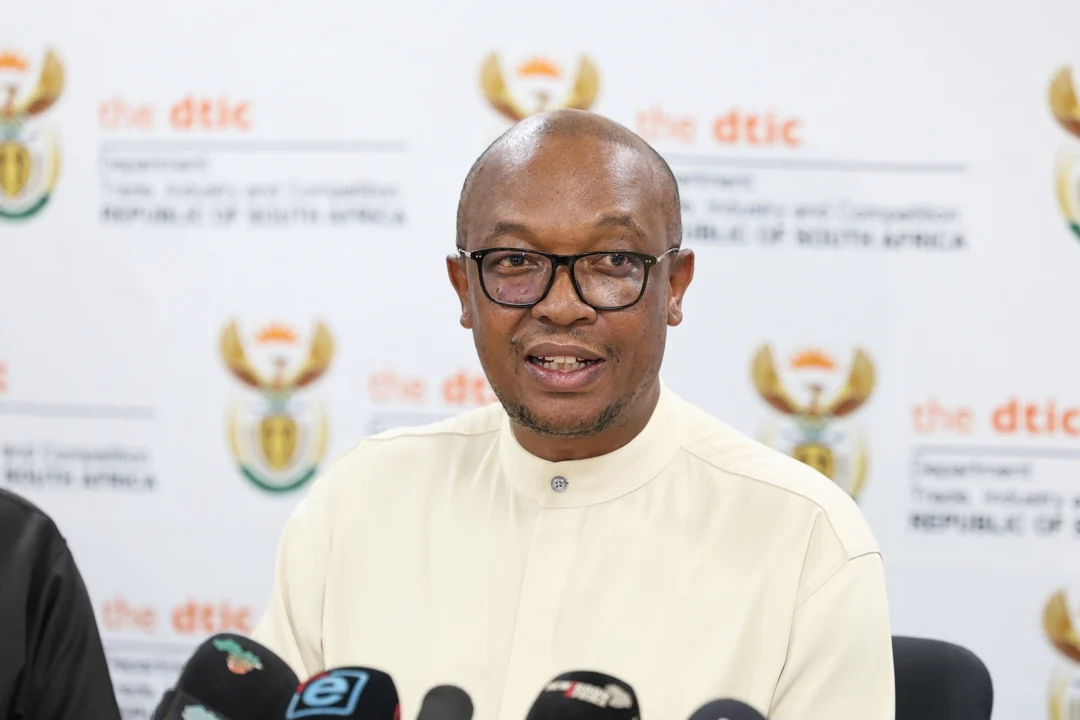
The ruling, delivered on Monday, 2 November, found that Trade, Industry and Competition Minister Parks Tau had introduced an unlawful and procedurally unfair additional evaluation process before selecting Sizekhaya as the successful bidder.
Judge Neil Davis set aside the minister’s decision and declared the licence agreement concluded between Tau, the National Lotteries Commission (NLC) and Sizekhaya invalid.
The court, however, suspended the declaration of invalidity to prevent disruption to National Lottery operations while the minister reconsiders the award.
The judgment reopens the contest for one of South Africa’s most valuable commercial operating licences and raises questions about transparency and fairness in government-administered procurement processes.
How the Lottery Licence Was Awarded
In May 2025, Tau announced Sizekhaya Holdings as the successful bidder for the Fourth National Lottery and Sports Pools Licence.
The eight-year licence had attracted significant interest because of the commercial value associated with operating South Africa’s National Lottery.
Eight bidders participated in the process, including Sizekhaya, Ringeta Consortium, Ithuba Lottery and other applicants.
Sizekhaya is associated with prominent KwaZulu-Natal businessmen Moses Tembe and Sandile Zungu, who also owns AmaZulu Football Club.
The company subsequently assumed responsibility for National Lottery operations on 1 June 2026, replacing the previous operator, Ithuba.
However, the selection process became the subject of legal challenges brought by unsuccessful bidders.
They questioned whether the evaluation had been conducted according to the published requirements and whether the minister had followed a lawful decision-making process.
Original Evaluation Ranked Ringeta Above Sizekhaya
A central issue in the court proceedings was the difference between the National Lotteries Commission’s original evaluation and the recommendations subsequently produced by a ministerial committee.
The NLC’s adjudication process ranked Ringeta Consortium first, with 73.92 points.
Sizekhaya received 72.95 points, placing it second.
Wina Njalo followed with 72.64 points, while Ithuba Lottery received 72.04 points.
Based on the original evaluation, Ringeta was recommended as the preferred bidder and Sizekhaya as the reserve bidder.
However, a separate Ministerial Committee subsequently reassessed the applications.
That committee applied different weightings and produced a different outcome, recommending Sizekhaya as the preferred bidder.
The change became central to the legal dispute.
Court Finds Additional Evaluation Process Unlawful
Judge Davis found that the introduction of the Ministerial Committee’s additional evaluation was not provided for in the original request for proposals.
The published bidding rules had established the framework within which competing companies expected their applications to be assessed.
The court concluded that introducing another body to reconsider the evaluations, using different criteria or weightings, undermined the procedural fairness of the competition.
The judgment found that this additional process was unlawful and procedurally unfair.
The ruling did not establish that every aspect of Sizekhaya’s bid was defective.
Instead, it identified serious legal shortcomings in the process through which the final decision was reached.
The court also accepted that Tau had acted in good faith and did not find that he had improperly surrendered his decision-making authority to the committee.
Nevertheless, the minister’s use of an evaluation mechanism not contemplated by the published tender rules rendered the award unlawful.
Minister Must Reconsider the Licence
The court referred the licensing decision back to Tau for reconsideration.
Importantly, the minister has been instructed to disregard the report and recommendations of the Ministerial Committee when making a fresh determination.
This means the disputed additional evaluation cannot be used as the basis for the new decision.
The minister must reconsider the award within the legal framework applicable to the licensing process.
The judgment does not automatically award the licence to Ringeta, Ithuba or another bidder.
Nor does it permanently disqualify Sizekhaya from receiving the licence.
A fresh decision must still be made.
The outcome could result in Sizekhaya retaining the licence through a lawful process or another bidder being selected.
Why the National Lottery Will Continue Operating
Although the court declared the licence award and agreement invalid, it suspended the consequences of that declaration for two consecutive six-month periods.
The first six-month period allows Tau to reconsider the award and make a fresh decision.
The second six-month period provides time to negotiate a new licence agreement and implement transitional arrangements if Sizekhaya is not selected again.
This approach is intended to protect the public interest and avoid an abrupt interruption to National Lottery operations.
For lottery participants, the ruling does not mean that ticket sales must stop immediately.
Existing operations can continue during the suspension period, subject to the court’s order and applicable regulatory requirements.
Players should therefore distinguish between the legal invalidity of the original award and the temporary continuation of the current operating arrangements.
Ithuba Welcomes Court Judgment
Ithuba Lottery, one of the companies that challenged the licensing process, welcomed the ruling.
The company said the judgment supported its concerns about fairness, transparency and accountability in the appointment of a National Lottery operator.
Ithuba indicated that it was reviewing the judgment with its legal representatives to determine the implications and appropriate next steps.
The ruling follows earlier attempts by unsuccessful bidders to challenge Sizekhaya’s appointment.
Some previous urgent applications had sought to prevent the handover of operations while the legal review was pending.
The latest judgment addresses the substantive legality of the licensing decision rather than simply whether an interim suspension was justified.
Political Connections Previously Raised Questions
The licence award had also attracted public scrutiny because of reported political and business connections involving some Sizekhaya shareholders.
Bellamont Gaming, which has been identified among Sizekhaya’s shareholders, is associated with Khumo Bogatsu, the twin sister of Deputy President Paul Mashatile’s wife, Humile Mashatile.
The relationship prompted questions about whether political connections had influenced the award.
Mashatile previously denied suggestions of political interference.
The court’s finding that the ministerial evaluation process was unlawful should not be confused with a finding that Mashatile, Bogatsu or Sizekhaya’s shareholders committed corruption.
The judgment did not establish that the licence was awarded in exchange for improper political influence.
Questions concerning political connections must be distinguished from the specific procedural defects established by the court.
Other Legal Arguments Were Not Upheld
The litigation involved several grounds of challenge beyond the Ministerial Committee’s evaluation.
These included concerns about funding arrangements and restrictions on political interests in lottery applicants.
The court did not accept every argument advanced by the unsuccessful bidders and other participants.
In particular, it rejected the contention that the minister’s acceptance of Sizekhaya’s funding arrangements was irrational or unreasonable.
The court also declined a request by the Economic Freedom Fighters to broaden the interpretation of certain statutory restrictions relating to political office-bearers’ financial interests.
These findings are significant because they demonstrate that the judgment was not a wholesale endorsement of every allegation made against Sizekhaya.
The decisive problem was the unlawfulness and unfairness of the additional evaluation process.
Why the Decision Matters
The National Lottery licence carries major commercial and public-interest responsibilities.
Its operator manages lottery products and associated systems under the oversight of the National Lotteries Commission.
The process of appointing an operator must therefore comply with the law and the rules communicated to applicants.
A transparent evaluation is essential because bidders invest substantial resources in preparing their applications.
If evaluation methods are changed after applications have been submitted, competing companies may be treated unfairly.
The court’s judgment reinforces the principle that government decision-makers must act within the legal framework governing a procurement or licensing process.
Even where a minister has discretion to make a final decision, that discretion must be exercised lawfully.
What Happens Next?
The immediate responsibility now rests with Tau.
He must reconsider the Fourth National Lottery and Sports Pools Licence without relying on the Ministerial Committee’s disputed report.
The decision will determine whether Sizekhaya retains the licence or another bidder is selected.
If a new operator is chosen, the court has allowed time for a negotiated agreement and operational handover.
Further legal proceedings are also possible, depending on how the parties respond to the judgment and any subsequent licensing decision.
For now, Sizekhaya remains the operating company while the court’s suspension arrangements are in force.
The central finding is clear: the original award to Sizekhaya was unlawful because the minister introduced an additional evaluation process that was not permitted by the published bidding framework.
However, the court has not determined which bidder must ultimately receive the licence.