Anele Tembe inquest
Anele Tembe Balcony Evidence Emerges
CAPE TOWN, 19 October 2026 — New forensic evidence presented at the Cape Town Magistrate’s Court has raised further questions about the circumstances surrounding the death of Anele Tembe, who fell from the 10th floor of the Pepperclub Hotel in April 2021. Anele Tembe Inquest Testimony: Witness Heard Scream and Bang
A senior police witness told the inquest on Monday that investigators discovered a footprint believed to belong to Tembe on the outer edge of the hotel balcony railing.
The footprint, together with partial footprints facing the hotel room, suggested that Tembe may have been positioned with her back towards the street below.
However, the witness also acknowledged that the crime scene had been contaminated, complicating efforts to establish exactly what happened.
The evidence forms part of an ongoing judicial inquiry into the 22-year-old’s death, which occurred while she was staying at the hotel with her fiancé, the late rapper Kiernan “AKA” Forbes.
Footprint Suggests Tembe Faced Hotel Room
The police witness explained that forensic investigators identified a single footprint on the outer edge of the balcony railing.
Partial footprints were also discovered pointing towards the door of the hotel room.
The positioning suggested that Tembe may have been facing the room rather than looking out over the city.
The finding is significant because investigators are attempting to reconstruct her movements immediately before the fall.
However, the footprint does not independently establish whether she jumped, fell accidentally or was pushed.
Those possibilities remain matters for the inquest to assess alongside other forensic and witness evidence.
No Fingerprints Recovered From Railing
Another important issue raised during Monday’s testimony was the absence of identifiable fingerprints on the balcony railing.
The police witness said investigators were unable to recover fingerprints that conclusively established who had touched the railing.
He explained that the scene had been accessed by several people after the incident.
Some individuals reportedly leaned over or touched the balcony while looking down towards the street.
This activity may have disturbed or removed forensic traces.
The witness also described climbing over the railing himself during the investigation and said he believed doing so without touching it would have been extremely difficult.
Nevertheless, the absence of fingerprints cannot establish who was present on the balcony or how Tembe came to be on the outer edge.
Crime Scene Contamination Raises Questions
The inquest heard that the hotel room and balcony had been accessed by several people after Tembe’s fall.
This raised concerns about the reliability of some forensic evidence.
Crime scene contamination can occur when individuals enter an area before investigators have fully secured and documented it.
Such activity may disturb objects, transfer material or affect fingerprints and other physical traces.
In Tembe’s case, the police witness acknowledged that contamination may have compromised evidence from the railing.
The court must therefore consider the limitations of the forensic findings when reconstructing the events.
The contamination does not establish deliberate interference with evidence.
It does, however, make it more difficult to draw definitive conclusions from the absence of particular forensic traces.
Reconstruction Tests Examined Fatal Fall
Additional testimony reported by The Citizen concerned forensic reconstruction exercises carried out after Tembe’s death.
Lieutenant-Colonel Jeremy Philander told the court that investigators used life-sized models corresponding to Tembe’s height and weight to examine possible explanations for her fall.
The exercises considered the movement of the models and where they landed.
According to the testimony, the initial simulations did not support an accidental slip as the explanation.
A later test involving a forceful push resulted in a landing position consistent with the recorded impact location.
However, Philander acknowledged under cross-examination that the reconstruction could not establish whether Tembe had jumped or been pushed.
The findings therefore provide information about possible physical movements rather than a definitive explanation of her death.
The court has not determined that another person caused her fall.
Scratches On AKA’s Body Examined
The inquest also heard testimony concerning injuries observed on Forbes following Tembe’s death.
A police crime scene investigator and photographer said he documented markings on the rapper’s back and chest.
The witness did not establish what caused those injuries.
Lawyers representing the Tembe family questioned the extent of the examination and whether a J88 medico-legal report had been completed.
They also asked about other scratches and bruises reportedly observed on parts of Forbes’s body.
The witness explained that he had recorded the injuries visible to him at the time.
The presence of scratches does not, without further evidence, establish that a physical confrontation occurred or explain how Tembe died.
These details remain part of the wider evidence being considered by the inquest.
Bloodstains Found Inside Hotel Room
Earlier police evidence described bloodstains discovered in the hotel room occupied by Tembe and Forbes.
Investigators reportedly observed blood on bedding and towels.
The latest testimony confirmed that bloodstains had been documented during the examination of the scene.
Previous witnesses also described the hotel room as being in disarray when police arrived.
However, the origin of the bloodstains and their relationship to the events preceding Tembe’s fall have not been conclusively established in the reported evidence.
The court must consider these findings alongside the forensic examinations and witness accounts.
Witnesses Describe Events Before Fall
During earlier hearings in September, hotel employees and guests described what they heard before Tembe’s death.
A hotel employee testified that Forbes contacted reception requesting assistance because someone was on the balcony and threatening to jump.
The employee said she heard a scream followed by a loud impact while still on the telephone.
Other witnesses gave accounts of hearing shouting before the fall.
One witness described hearing a woman telling someone to leave her alone.
However, not every witness reported hearing an argument.
The differing accounts are relevant because the court is attempting to establish a reliable sequence of events.
Witnesses were positioned in different parts of the building, and their opportunities to hear or observe events varied.
Their testimony must therefore be assessed together rather than treated as conclusive in isolation.
What Happened To Anele Tembe?
Anele Tembe died on 11 April 2021 after falling from the 10th floor of the Pepperclub Hotel in Cape Town.
She was 22 years old.
At the time, she was engaged to South African rapper Kiernan Forbes, widely known as AKA.
Her death prompted an investigation and longstanding questions from her family about the circumstances surrounding the incident.
Forbes was later killed in a separate shooting incident in Durban on 10 February 2023.
The inquest into Tembe’s death is distinct from the criminal proceedings concerning Forbes’s murder.
Tony Forbes Attends Court Proceedings
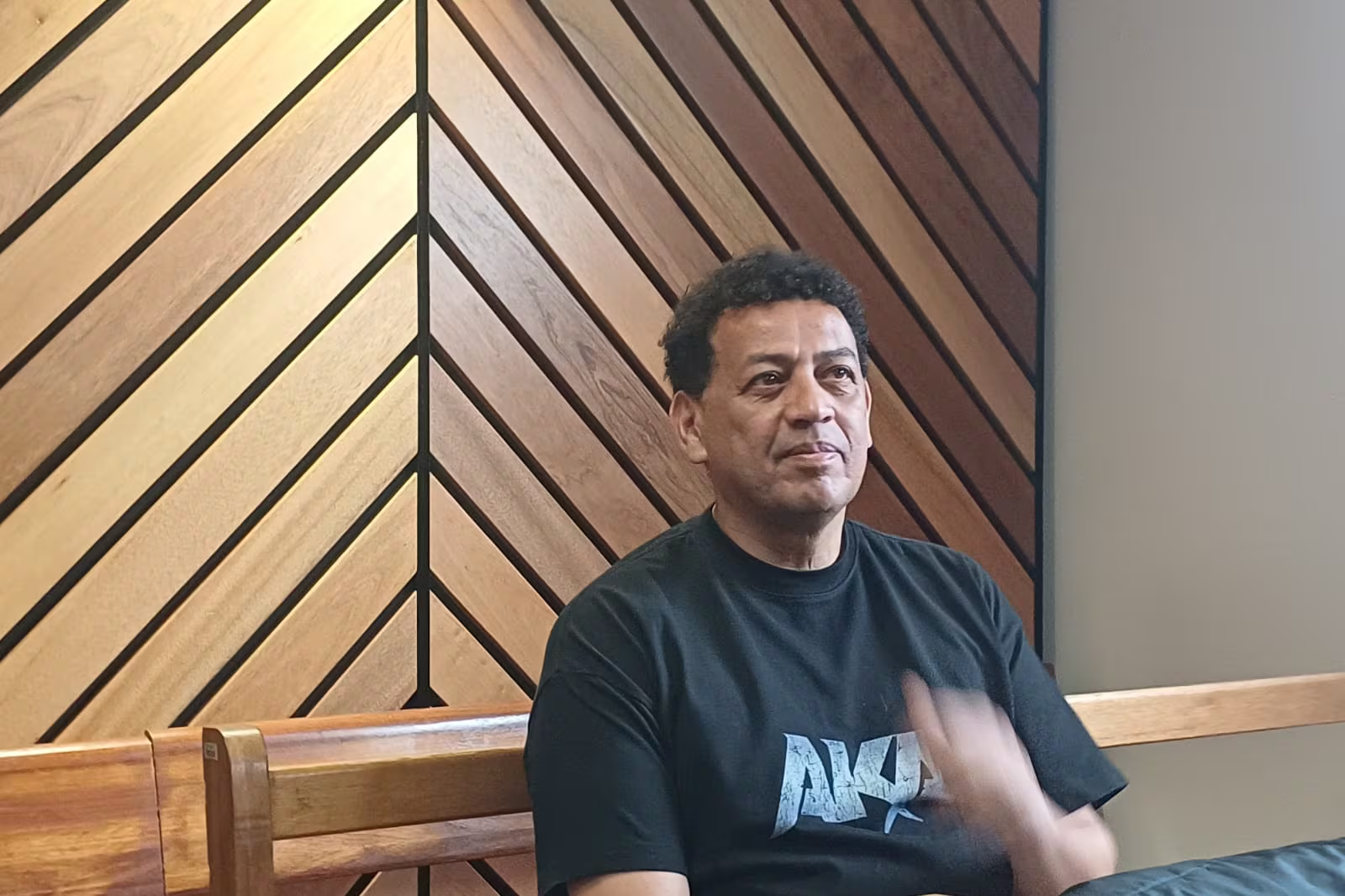
AKA’s father, Tony Forbes, attended Monday’s inquest proceedings in Cape Town.
Speaking to reporters, he expressed hope that the process would provide greater clarity about the events surrounding Tembe’s death.
He also explained that his family had initially chosen not to appoint legal representation because of financial and estate-related considerations.
He indicated that the family could still obtain legal representation.
The Tembe family has legal representatives participating in the proceedings and questioning witnesses.
Both families have been affected by the deaths, although the inquest’s immediate purpose is to establish the circumstances of Tembe’s fatal fall.
What Is The Purpose Of The Inquest?
An inquest is a judicial process used to investigate certain deaths and establish relevant circumstances, including whether unlawful conduct may have contributed.
It is not the same as a criminal trial.
In Tembe’s case, the court is examining forensic evidence, police investigations, witness testimony and the events leading up to her fall.
The inquiry may consider whether the evidence supports an accidental death, an intentional act or possible involvement by another person.
It must not assume an explanation before evaluating the evidence.
The proceedings are particularly important because several years have passed since Tembe’s death and questions remain unresolved.
More Witnesses Expected This Week
The inquest resumed on Monday after eight witnesses testified during proceedings held in September.
Seven additional witnesses, including police officers and medical experts, were expected to give evidence over three days.
The court has imposed restrictions protecting the identities of certain witnesses.
It has also ruled that witnesses who objected to audio or visual recording should not be recorded.
The proceedings are expected to continue as the court examines the forensic findings and outstanding questions.
What Happens Next?
Further testimony is expected to focus on the evidence collected at the hotel, the forensic reconstruction and the medical findings.
The court will need to assess whether the physical evidence is consistent with the different accounts presented.
The footprint on the balcony railing is an important part of that assessment, but it does not provide a complete explanation of Tembe’s death.
Until the inquest reaches its findings, claims about whether she jumped, accidentally fell or was pushed remain unresolved.